
Canadian officials rescue 23 people who floated away on ice sheet
Key Takeaways
- Canadian emergency crews rescued 23 people after an ice sheet carrying the group floated away from shore.
- It has been reported that members of the group described harrowing moments as new cracks opened while they searched for thicker ice.
- Authorities say the coordinated response prevented a likely disaster; the incident underscores the dangers of unstable ice and the importance of heeding local warnings.
- The episode highlights how quickly recreational outings on ice can become life‑threatening and the human cost of risky winter activities.
What happened
It has been reported that a group of 23 people were stranded after an ice sheet they were on broke away from shore and floated into open water. Members of the group described harrowing moments, with more cracks forming as they looked for the thickest ice and tried to stay together while waiting for help. Emergency personnel were alerted and moved to the scene to perform the rescue.
Rescue response
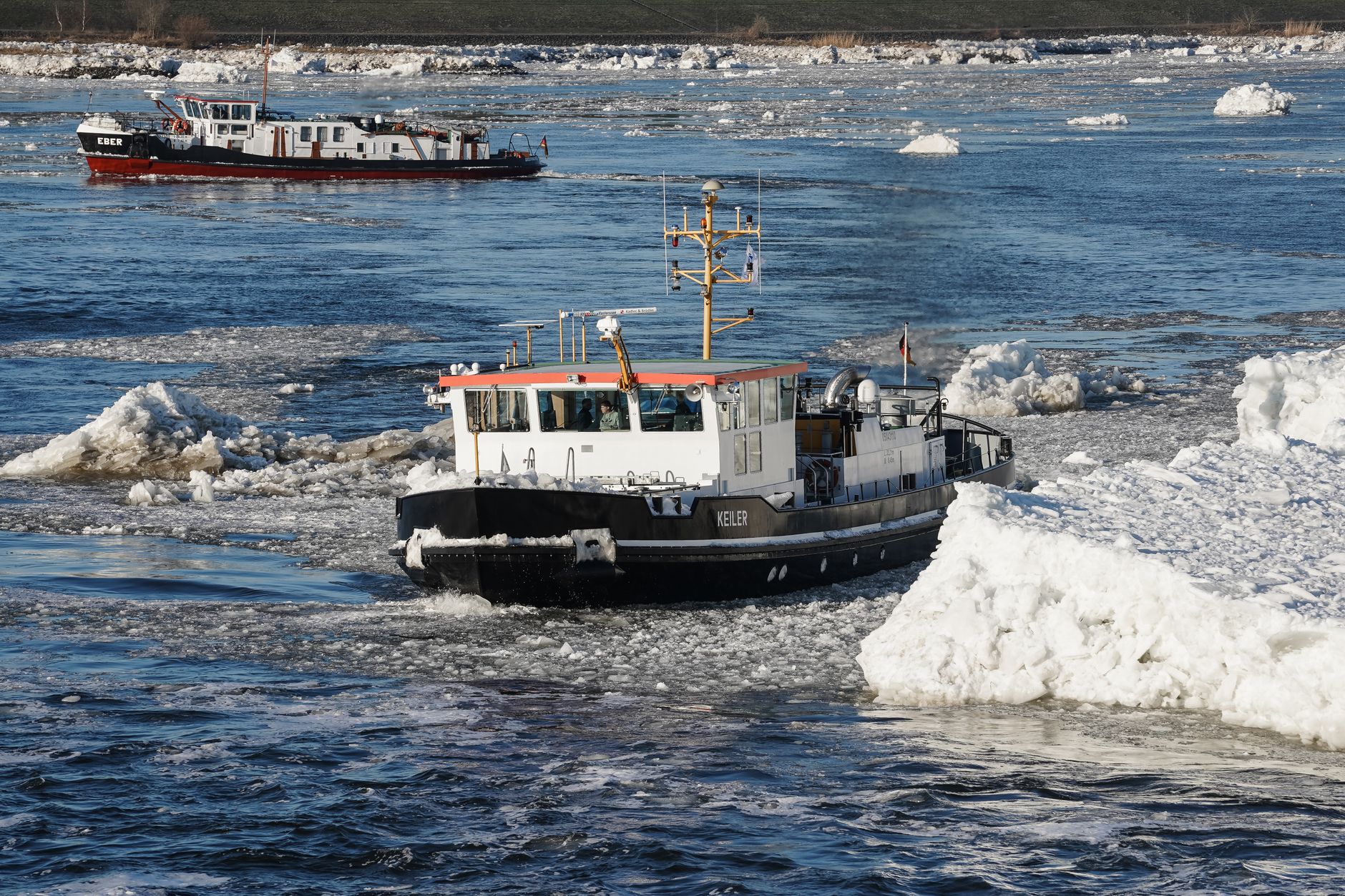
Canadian officials — including search-and-rescue teams — responded and recovered all 23 people. Local authorities said the coordinated effort involved boats and ice-capable resources to reach the drifting ice and bring people to safety. No official long-term injuries have been reported in initial accounts, though the psychological shock and cold exposure can have delayed effects.
Why it matters
This incident is a reminder that “safe ice” conditions can change rapidly; ice thickness varies with currents, temperature and time. For people who live in or visit cold regions, the human impact is immediate: a fun outing can become a life-threatening emergency in minutes. Officials typically urge the public to follow local advisories, avoid walking onto river or lake ice alone, and carry safety gear and a charged phone.
Source: Original Article