
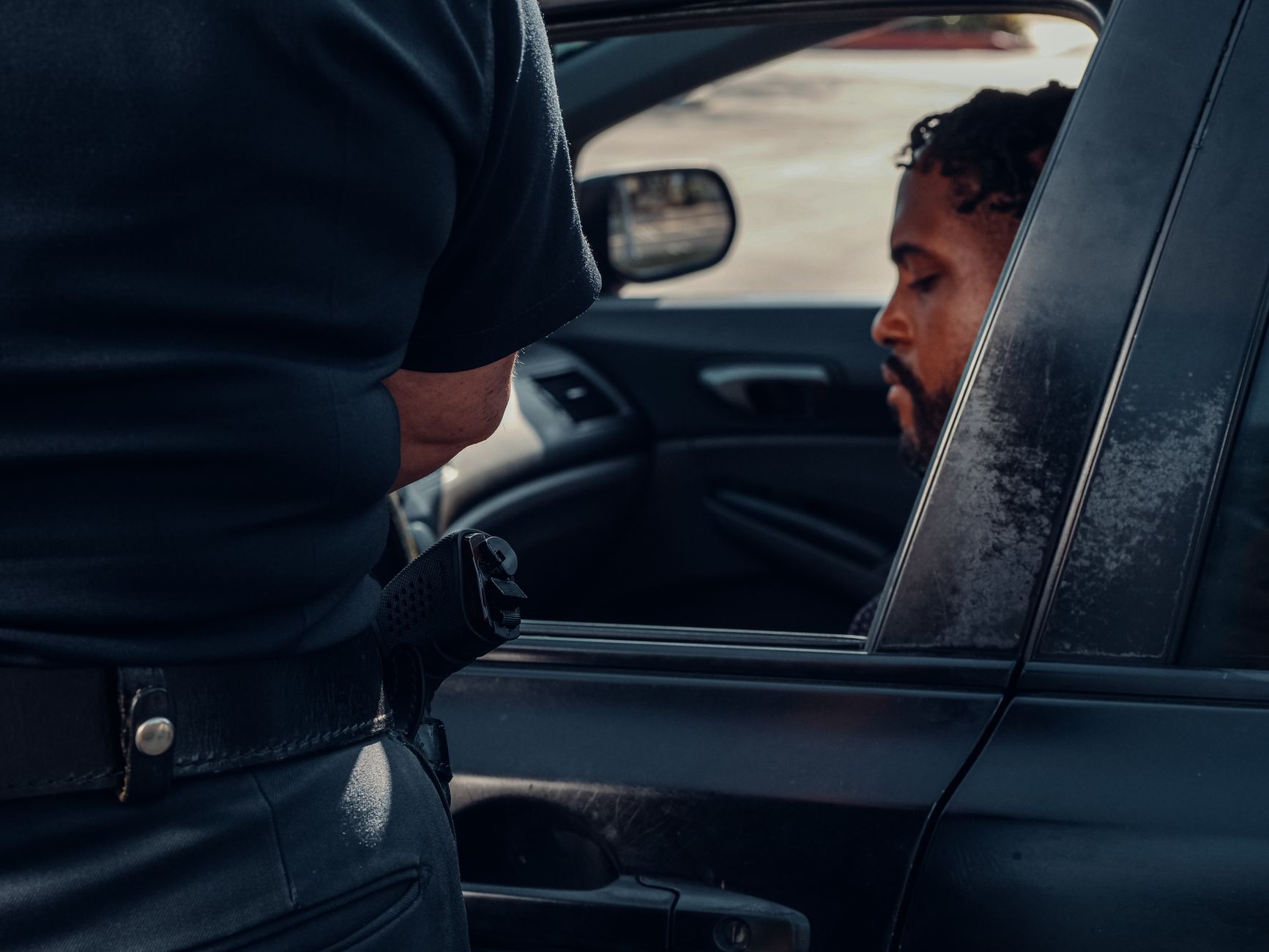
Bodycam footage shows moment of Woods arrest
Key Takeaways
- It has been reported that bodycam footage from the Martin County Sheriff's Office shows the arrest of Tiger Woods after a Florida car crash.
- He was allegedly charged with driving under the influence (DUI), property damage and refusal to submit to a lawful test; it has been reported that he pleaded not guilty in writing via his lawyers.
- DUI means driving under the influence of alcohol or drugs; refusal to submit to a lawful test refers to declining chemical testing under implied‑consent laws.
- For non‑citizens, a DUI or related charges can have immigration consequences in some circumstances — consult both criminal and immigration counsel promptly.
What happened
It has been reported that police bodycam footage captures the moment Tiger Woods was arrested following a single‑vehicle crash in Martin County, Florida. Local authorities allegedly charged him with driving under the influence (DUI), property damage and refusal to submit to a lawful test. It has been reported that the 15‑time major champion submitted a written plea of not guilty via his lawyers.
Legal context and key terms
A DUI (driving under the influence) is a criminal charge for driving while impaired by alcohol or drugs. "Refusal to submit to a lawful test" arises from implied‑consent statutes: by driving on public roads, motorists generally consent to breath, blood or urine tests when lawfully requested; refusal can trigger administrative penalties (for example, license suspension) and may be used at trial, and in some jurisdictions it can carry separate criminal exposure. Property‑damage counts relate to harm to vehicles or other property and can increase potential penalties if proven.
Immigration consequences and human impact
For most U.S. immigration purposes, a single, isolated misdemeanor DUI without aggravating factors is not automatically an aggravated felony or always a crime involving moral turpitude (CIMT), but outcomes depend on the exact statutory elements, any injuries to others, prior convictions and plea language. Convictions involving serious bodily injury, repeat offenses, or additional elements (such as driving with a high blood alcohol content) can trigger inadmissibility, deportability, or problems obtaining visas, green cards or naturalization. Administrative refusals of chemical tests can also carry collateral consequences that matter to immigration adjudicators.
What this means for people in the immigration system: criminal charges can quickly complicate visa applications, renewals and naturalization petitions. Anyone who is not a U.S. citizen and faces DUI‑related charges should consult both a criminal defense attorney and an immigration lawyer immediately to understand risks and to plan a coordinated defense.
Source: Original Article