
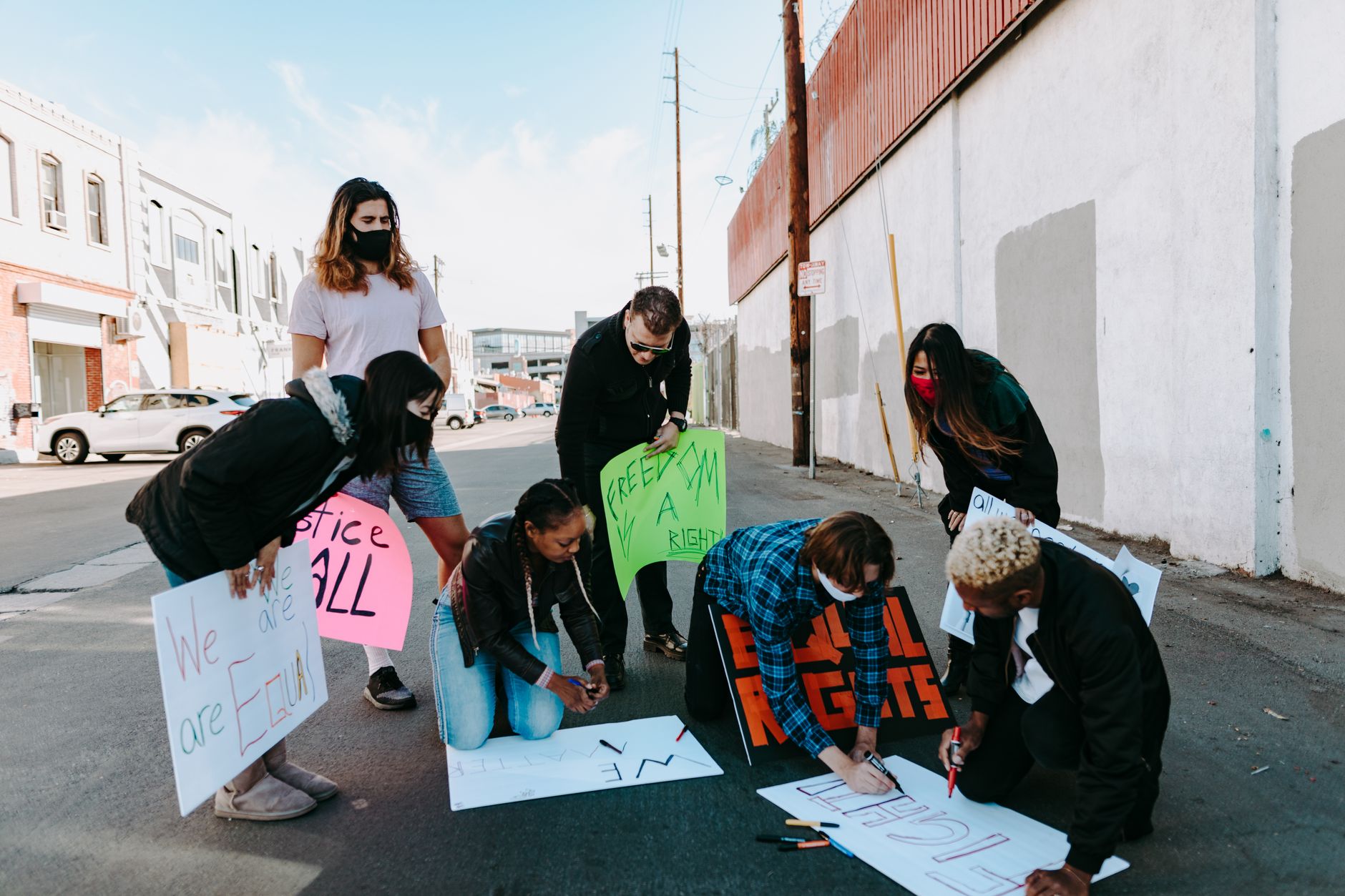
Protests escalate outside ICE facility over alleged inhumane conditions
Key Takeaways
- Protesters have gathered outside a U.S. Immigration and Customs Enforcement (ICE) detention facility alleging inhumane conditions and inadequate care for detainees.
- The Department of Homeland Security (DHS) said detainees receive "medical, dental, and mental health services as available."
- It has been reported that advocates and detainees claim limited access to care and poor conditions; these claims are unverified in the footage and DHS statement.
- The situation highlights ongoing concerns about oversight of immigration detention and the immediate human impact on people in custody and their families.
Protests and official response
Protests intensified outside an ICE facility after it has been reported that detainees are being held in what demonstrators call inhumane conditions. Video coverage shows demonstrators calling for transparency, independent inspections and better access to care for people detained by U.S. Immigration and Customs Enforcement (ICE). The Department of Homeland Security — the parent agency that oversees ICE — issued a statement saying detainees receive "medical, dental, and mental health services as available."
Allegations, oversight and what is verified
Advocates and relatives allege that care is limited and conditions fall short of standards; such claims are described here as alleged because they are not independently verified in the reporting. ICE is required to follow national detention standards and is subject to internal inspections by its Office of Detention Oversight and external complaints processes, but critics argue oversight is insufficient and inspections are not always timely or transparent. Historically, complaints about detention conditions have prompted litigation, agency reviews and periodic policy changes — context that helps explain why protests often escalate quickly when new allegations surface.
What this means for people in the immigration system
For detainees and those facing immigration proceedings, crowded or poorly resourced facilities can directly affect access to legal counsel, timely medical care and participation in hearings. If you or a family member is detained, seek legal representation promptly, document conditions (where safe to do so), and consider filing complaints with ICE or the DHS Office of Inspector General. For non-detained applicants, the episode underscores the stakes of detention policy debates and how enforcement settings can shape outcomes for asylum seekers, people fighting removal and others in the immigration system.
Source: Original Article