
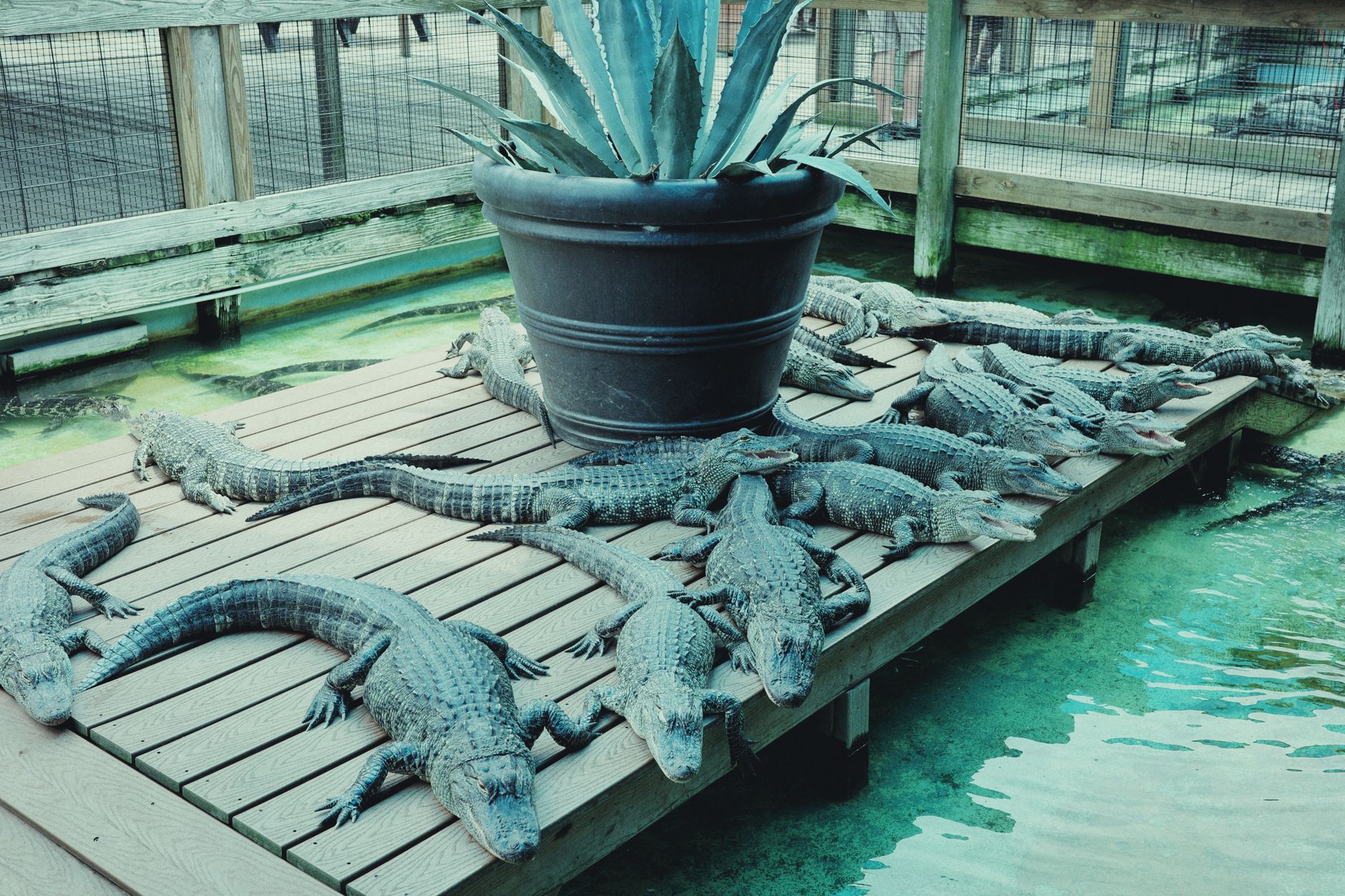
Watch: Cold-blooded trespasser found lurking in Florida pool
Key Takeaways
- It has been reported that a homeowner in Tampa discovered a nine-foot alligator in his pool area and called police.
- A wildlife specialist later removed the alligator; no injuries were reported.
- The Florida Fish and Wildlife Conservation Commission (FWC) and local animal-control teams handle such incidents; residents should not attempt removals.
- Immigrants and non-English speakers may face extra risks from unfamiliar wildlife and should know emergency numbers and available language supports.
What happened
It has been reported that police were called after a Tampa homeowner found a nine-foot alligator lurking in his pool area. Video published by the BBC shows the animal near the pool enclosure before a trained handler arrived and removed it. Authorities say the removal was completed without injury to people or pets.
Official response and safety guidance
In Florida, the Florida Fish and Wildlife Conservation Commission (FWC) and local animal-control or wildlife specialists typically respond to large reptile encounters; these agencies have the training and equipment to secure and relocate animals safely. Residents are repeatedly warned not to approach or try to move alligators themselves — doing so is dangerous and can violate local regulations. If an alligator poses an immediate threat, call 911; for non-emergencies, contact local animal control or the FWC's non-emergency line.
Human impact and practical advice
Encounters like this underscore real safety concerns for people who live in gator country. Children, pets, and people unfamiliar with local wildlife practices are especially vulnerable. Renters and homeowners should check pool fencing, keep yards free of food attractants, and review insurance and landlord responsibilities for outdoor hazards. For immigrants and others with limited English, community centers, local health departments, and some law enforcement offices offer translation services; keep emergency numbers accessible and ask about language assistance when contacting authorities.
What this means for someone going through the immigration process
This incident does not affect immigration law or visa processing. However, people navigating the immigration system often rely on community networks and may face added barriers in emergencies — fear of contacting authorities, language gaps, or lack of local knowledge. Know your right to call 911 for emergencies regardless of immigration status, seek local community organizations for language help, and include wildlife safety steps in household preparedness plans.
Source: Original Article