
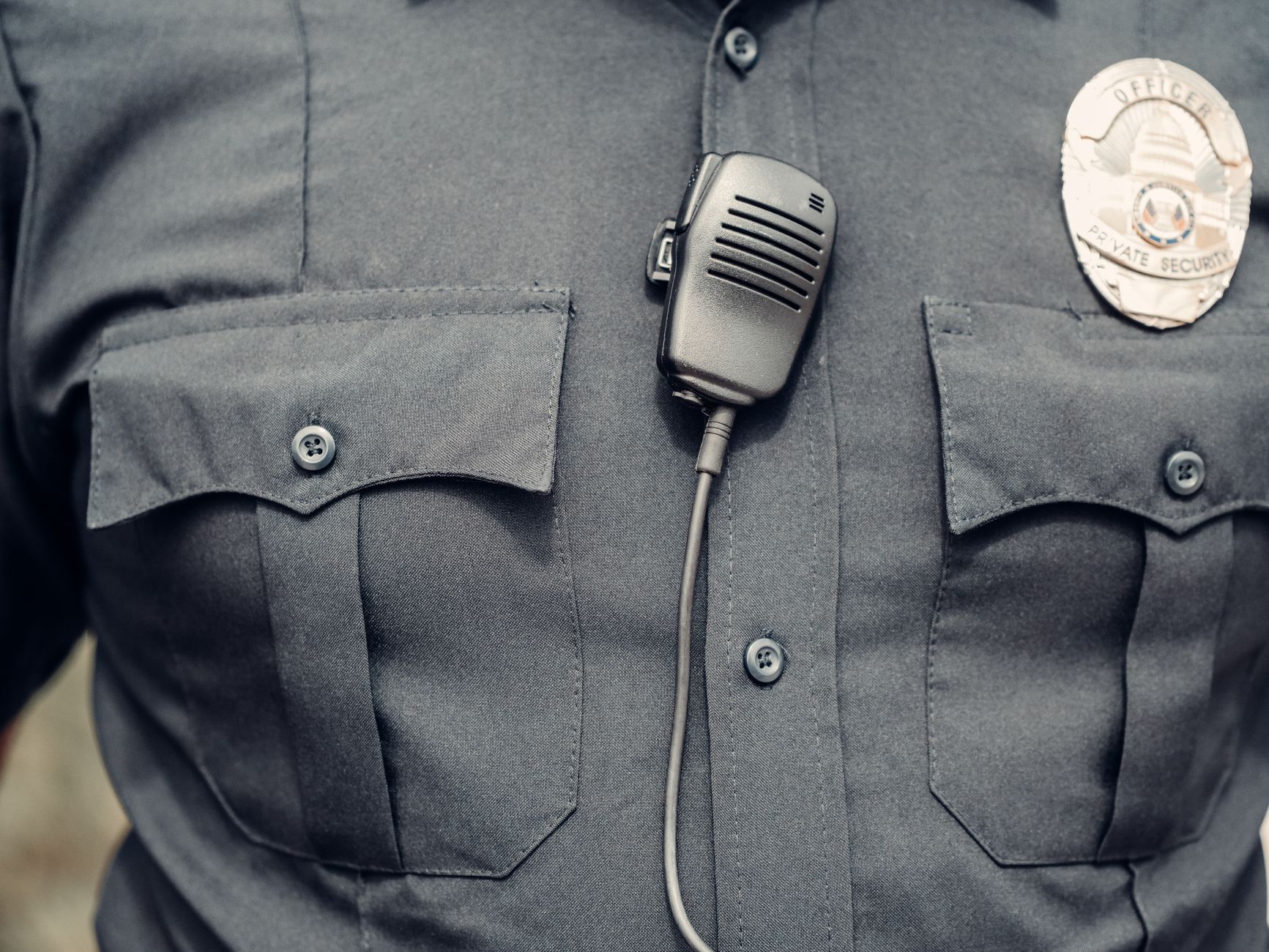
Police release 'difficult to see' bodycam footage of Austin bar shooting
Key Takeaways
- It has been reported that police body‑cam footage shows a chaotic scene as officers advance on a suspect before shooting him.
- Local criminal encounters can trigger immigration consequences for non‑citizens — detainers, removal proceedings, or eligibility for victim relief like a U visa.
- Communities with large immigrant populations may be less likely to report crimes; victims and defendants should consult immigration counsel promptly.
- Local law‑enforcement cooperation with ICE (U.S. Immigration and Customs Enforcement) varies; court rulings and city policies affect whether an arrest leads to federal immigration action.
What the footage shows
Police released body‑worn camera clips of the shooting at an Austin bar; it has been reported that the footage is “difficult to see” but captures a chaotic scene as officers move toward a suspect and shoot him. The raw clips, as described, show officers in close quarters and provide little clear visual context for what immediately preceded the use of force. Allegations about motive or justification remain matters for investigators and prosecutors to determine.
Immigration and legal consequences
Even when the incident is primarily a local criminal matter, it can have immediate immigration effects for non‑citizens involved. ICE can issue detainers (requests to hold someone in custody) and initiate removal (deportation) proceedings for certain arrests or criminal convictions. Convictions for serious crimes — including some firearm offenses and aggravated felonies — can make a non‑citizen deportable and bar them from many forms of relief. Conversely, victims of violent crime who cooperate with law enforcement may qualify for a U nonimmigrant visa (the U visa), a form of protection that requires certification from police; U visas and other humanitarian remedies often face long backlogs, so early legal help is important.
Community impact and practical steps
Shooting incidents heighten fear in immigrant communities and can discourage reporting or cooperation with police, complicating both public‑safety investigations and victims’ access to immigration protections tied to cooperation. Local policies on cooperation with ICE — and recent court decisions — shape whether an arrest triggers federal immigration action. For anyone involved as a victim, witness, or arrestee, the practical next step is to seek immigration and criminal defense counsel quickly and to contact community legal providers who assist with U visas and related matters.
Source: Original Article