
Suspect killed after opening fire on Secret Service near White House
Key Takeaways
- It has been reported that a suspect approached a checkpoint near the White House and opened fire; law enforcement shot and killed the suspect and a bystander was wounded.
- The United States Secret Service (USSS) — the agency that protects the president, vice president and White House complex — led the security response.
- Violent crimes and weapons offenses carry serious immigration consequences for noncitizens, including removal (deportation) and bars to relief.
- The incident may lead to heightened security, checkpoint delays and short-term disruptions for visitors, embassy staff and visa applicants in the area.
What happened
It has been reported that a person approached a security checkpoint near the White House and opened fire, according to official statements. The United States Secret Service (USSS) — responsible for protecting the president, vice president and designated sites such as the White House — quickly engaged the suspect. Law enforcement shot and killed the suspect at the scene, and one bystander was wounded and taken for medical treatment.
Immediate security and public impact
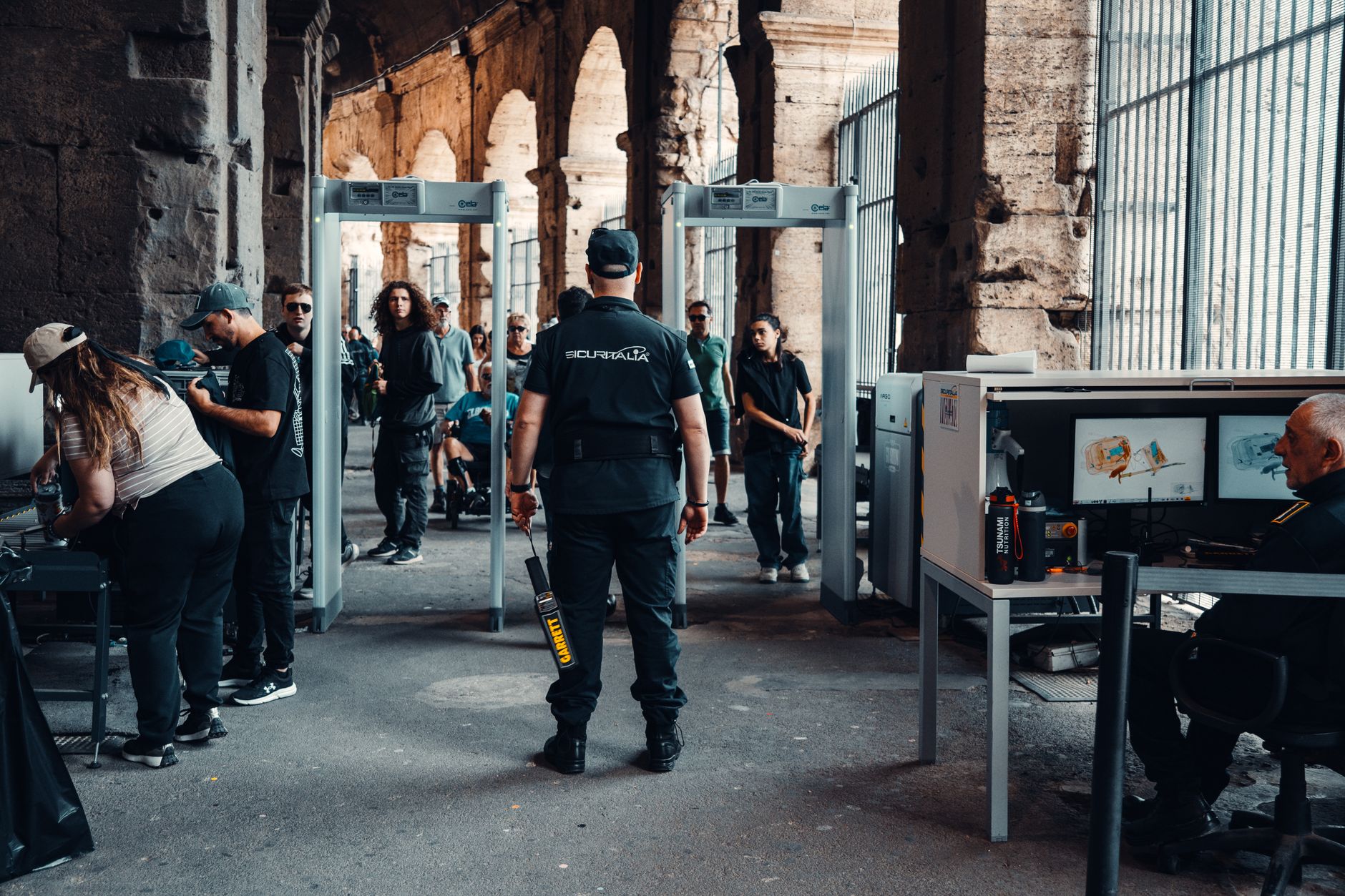
The shooting triggered an immediate, large-scale security response and temporary lockdowns in the area. Nearby streets and public access points were closed while investigators processed the scene and security officials rechecked checkpoints. For residents, workers and visitors in downtown Washington, D.C., this typically means delayed commutes, extra screening at barriers, and possible short-term suspension of public tours or White House access.
Immigration and legal implications
If a person involved in a shooting is a noncitizen — whether a lawful permanent resident, visa holder, or undocumented individual — criminal charges for violent offenses or weapons violations can carry severe immigration consequences. In U.S. immigration law, serious violent felonies and many firearms offenses can make a noncitizen removable (deportable) and inadmissible for future visas or adjustment of status; they may also bar eligibility for forms of relief such as cancellation of removal or asylum in some cases. If someone in the incident is detained or charged, it has been reported that they should seek immigration counsel promptly and, for noncitizens detained abroad or in federal custody, consider requesting consular notification.
What this means now
For people trying to navigate immigration processes near the White House — including diplomats, temporary visitors, and visa applicants — expect increased security screenings and potential scheduling disruptions in the short term. The human toll is immediate: injured bystanders, families seeking information, and anyone whose travel or appointment is delayed. For noncitizens affected by or accused in violent incidents, the intersection of criminal and immigration law means the stakes are high; professional legal representation is essential.
Source: Original Article