
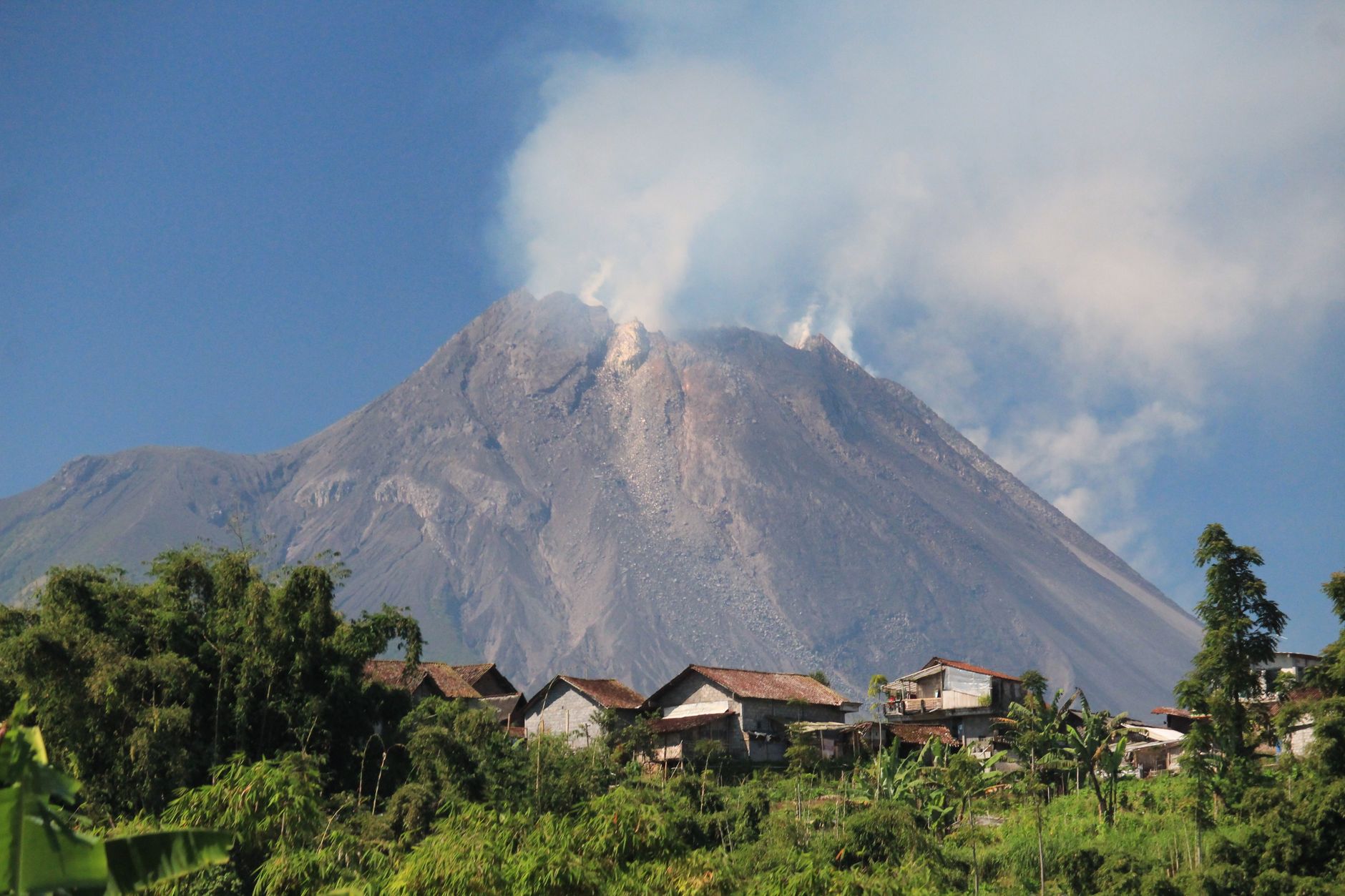
Volcanic fragments rain down as Hawaii's Kilauea volcano erupts
Key Takeaways
- It has been reported that Kilauea's latest eruption sent ash, pumice and volcanic glass fragments into nearby communities, prompting highway closures and tourist evacuations.
- Tourists on short-term visas (B‑2, ESTA) and long-term residents on visas (H‑1B, F‑1, etc.) can be directly affected by travel disruptions and local emergency measures.
- Immigration appointments, naturalization ceremonies and travel for consular visits may be delayed; affected applicants should document impacts and check agency guidance.
- Seek help from legal counsel, local immigrant-serving organizations, and U.S. agencies — USCIS is the agency to contact for immigration case issues.
What happened
It has been reported that Kilauea on Hawaii’s Big Island erupted, sending fragments made of ash, pumice and volcanic glass into nearby communities. Local authorities closed highways and ordered the evacuation of tourists from affected areas. The immediate hazards included falling volcanic rock and reduced visibility from ash — risks that forced emergency services to restrict movement and close some access routes.
Immigration and travel impacts
The eruption affects a mix of people: U.S. citizens, permanent residents and a substantial number of noncitizens who live, work or visit the island. Tourists traveling on ESTA or B‑2 visas faced sudden evacuations and travel cancellations, while students (F‑1), temporary workers (H‑1B, H‑2B) and family-based immigrants may see workplace disruptions, school closures and delays in attending scheduled immigration interviews or biometric appointments. Emergency closures can also interfere with consular visits or flights to and from the islands, creating downstream consequences for visa renewals and international travel plans.
What this means for applicants and residents
If you are going through the immigration process, document the disruption — save evacuation orders, travel receipts and any official notices. USCIS (U.S. Citizenship and Immigration Services) and other agencies have in prior emergencies announced temporary flexibilities, but those measures are discretionary and must be confirmed on official websites. Contact your attorney, local immigrant‑serving nonprofit or the nearest U.S. consulate or USCIS field office to request rescheduling or advise on deadlines. Undocumented residents should know that many shelters and emergency services provide assistance regardless of immigration status; reach out to trusted local groups for help.
Source: Original Article