
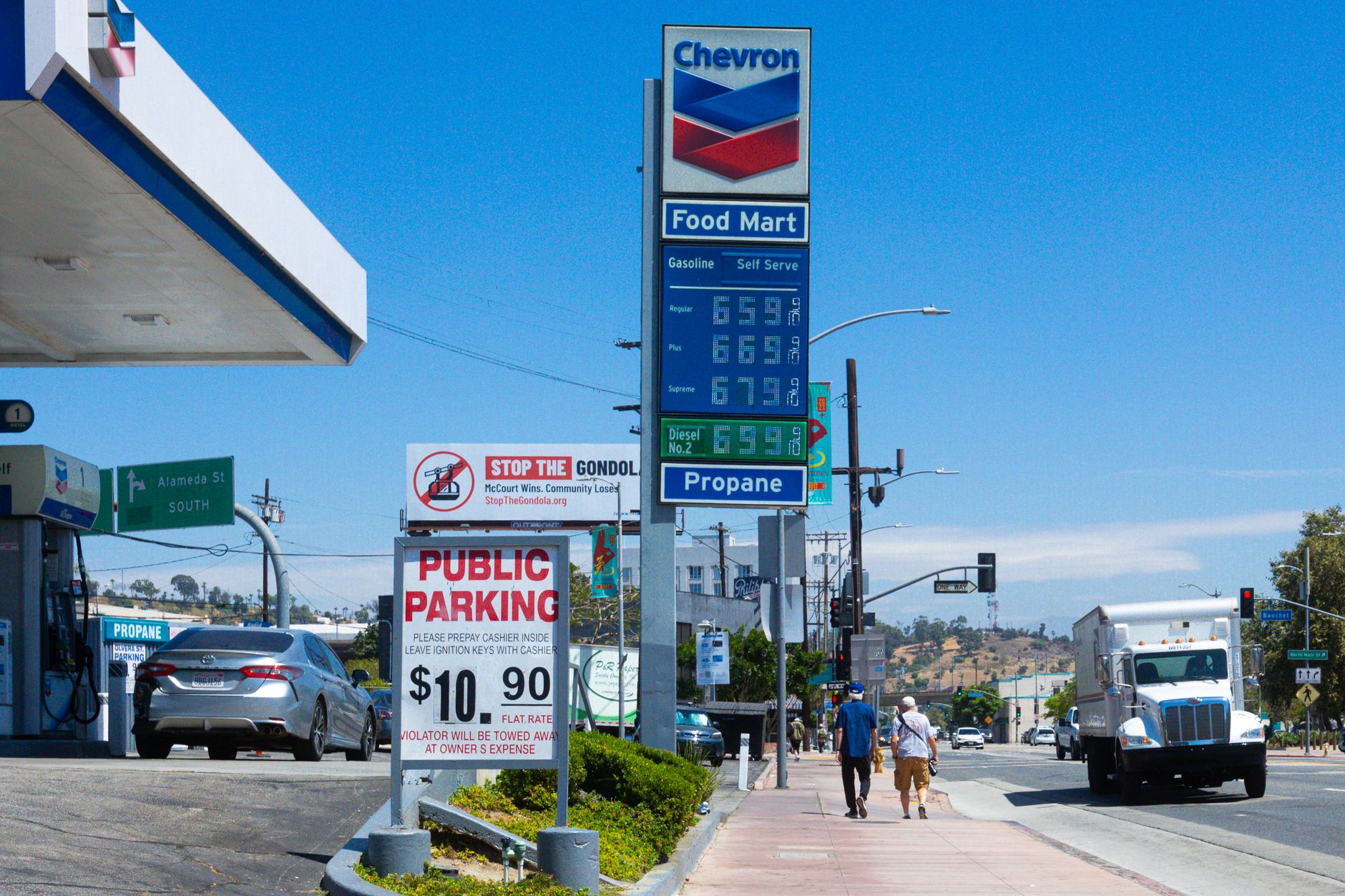
'Something needs to be done' — Americans struggle as petrol prices surge
Key Takeaways
- It has been reported that US petrol prices have topped $4 per gallon for the first time since 2022 as global crude rallies amid tensions in the Strait of Hormuz.
- Brent crude is trading near $120 a barrel and oil is on track for the biggest one‑month rise on record, driving pump prices higher.
- Rising fuel costs hit immigrant workers and low‑income households disproportionately — increasing commuting and living expenses and squeezing budgets for remittances, legal fees and application costs.
- Visa categories tied to transportation, agriculture and seasonal labor (for example, H‑2A and H‑2B guestworker programs) may feel secondary effects as employers absorb higher fuel and freight costs.
- Those applying for immigration benefits should budget for higher living costs now and investigate limited USCIS fee waiver options and local pro bono help if needed.
What’s happened
It has been reported that petrol prices in the United States have climbed above $4 per gallon, the highest average since 2022, as oil markets spike amid continuing tensions around the Strait of Hormuz. BBC coverage notes that Brent crude is trading near $120 a barrel and that oil prices are on track for their largest single‑month increase on record. The report links the disruption to the Iran war and to actions that have effectively closed a key shipping channel for oil exports.
Who is affected and how
Higher pump prices affect everyone, but the burden falls unequally. Immigrants make up a large share of essential and transport‑dependent industries — trucking, delivery, rideshare, farming, construction and food service. For hourly and low‑wage workers, increased commuting and operational costs translate into fewer hours worked, reduced take‑home pay, and harder choices between paying for rent, groceries, healthcare or immigration fees. Many immigrants also send remittances; those transfers can shrink as household budgets tighten.
Legal and policy implications
Some visa categories are particularly exposed. H‑2A (temporary agricultural) and H‑2B (temporary non‑agricultural) programs depend on seasonal movement of goods and people; higher fuel and freight costs can raise employer expenses and, in some cases, affect the number or location of job offers. USCIS (U.S. Citizenship and Immigration Services) processes and fees are unaffected directly by petrol prices, but applicants facing sudden cost‑of‑living shocks may struggle to pay application fees or attorney costs. USCIS does offer fee waivers for certain forms (Form I‑912) for applicants who meet strict income or hardship criteria — eligibility is limited and must be documented.
What this means if you’re going through the immigration process
If you are applying for a visa, green card, asylum, or naturalisation, plan for higher monthly expenses now. Review your budget, consider delaying non‑urgent filings only after consulting counsel, and research fee waiver eligibility or local legal aid resources. Policymakers may pursue short‑term measures (for example, strategic petroleum reserve releases or temporary tax relief), but such actions do not immediately lower living costs for many households. For immediate assistance, contact accredited immigration service providers or legal clinics — and keep records of any economic hardship that may be relevant in fee‑waiver or bond proceedings.
Source: Original Article