
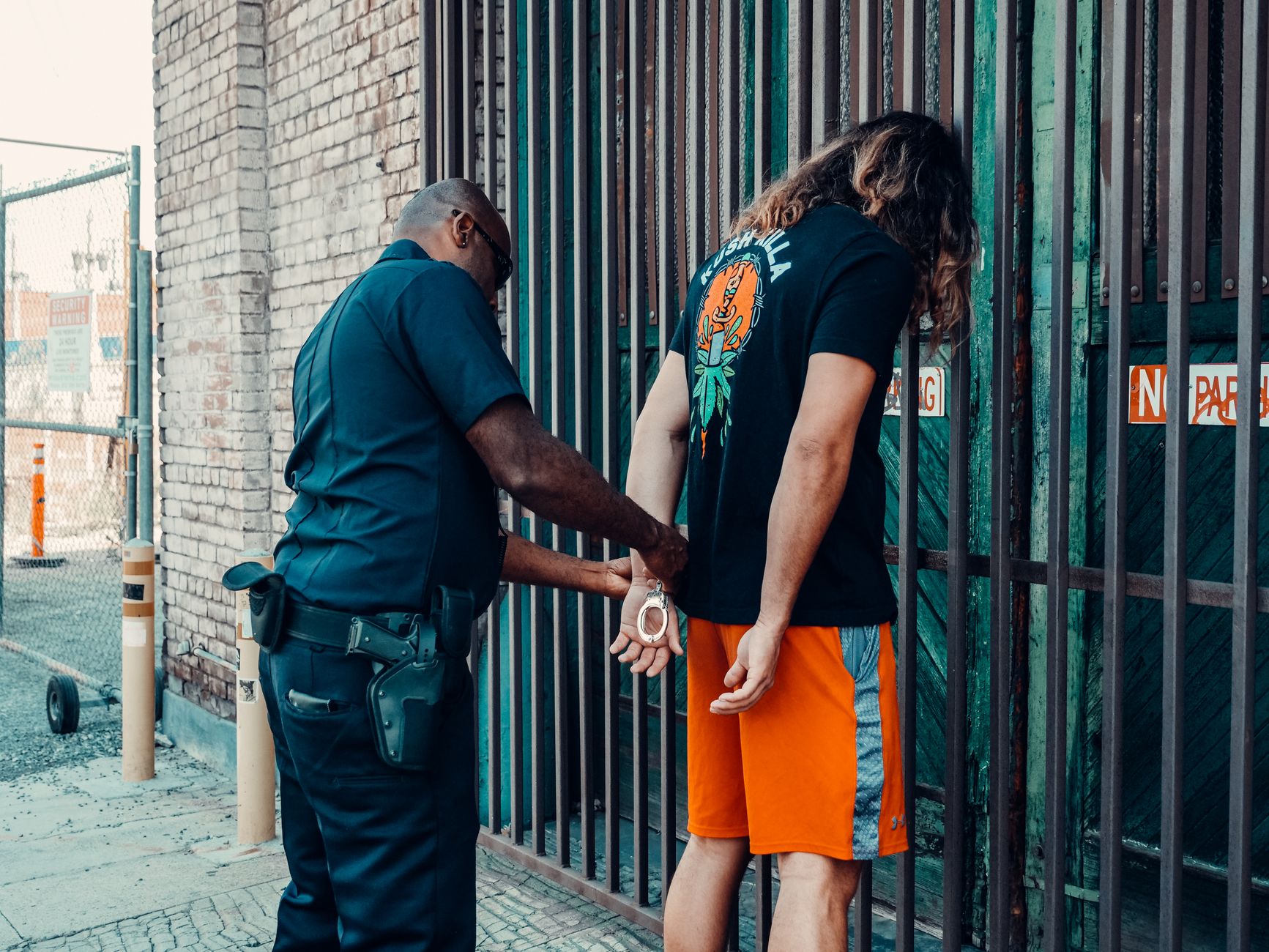
NASHVILLE NIGHTMARE: ICE Arrests Convicted Domestic Abuser Whose Daughter Feared He Would Kill Her Mother
Key Takeaways
- U.S. Immigration and Customs Enforcement (ICE) arrested a noncitizen in Nashville who had been convicted of domestic violence; DHS reports the arrest followed concerns from family members.
- It has been reported that the man’s daughter feared he would kill her mother; that allegation underscores the domestic-safety angle of the enforcement action.
- Criminal convictions can trigger removal (deportation) and may lead to mandatory detention under the Immigration and Nationality Act (INA).
- Survivors of domestic violence have separate immigration protections (e.g., VAWA, U visas) — those are for victims, not perpetrators — and community members should seek legal counsel if impacted.
Summary
The Department of Homeland Security (DHS) announced that U.S. Immigration and Customs Enforcement (ICE) arrested a convicted domestic abuser in the Nashville area. ICE, which enforces immigration laws including arrests and removals, took the individual into custody after state-level criminal proceedings resulted in a conviction. It has been reported that the suspect’s daughter feared he would kill her mother; that claim highlights the public-safety concerns that often accompany criminal-enforcement actions.
Legal context
A criminal conviction can render a noncitizen “removable” under the Immigration and Nationality Act (INA). Certain convictions — including some domestic-violence offenses, crimes involving moral turpitude (CIMT), or aggravated felonies — carry immigration consequences such as ineligibility for many forms of relief and potential mandatory detention while removal proceedings are pending. ICE typically transfers arrested noncitizens into immigration custody, where they may face an immigration judge and possible removal (deportation) orders. Note: ICE enforces removal; USCIS (U.S. Citizenship and Immigration Services) adjudicates immigration benefits such as visas, green cards, and naturalization.
Human impact and what this means now
For survivors and families, arrests like this are complicated. Some survivors may feel safer if a dangerous person is detained; others in immigrant communities fear that contact with law enforcement will trigger immigration enforcement against themselves or other family members. Importantly, federal protections exist for victims of certain crimes — for example, VAWA (the Violence Against Women Act) self-petitions and U visas for crime victims — but those protections are available to victims, not to convicted abusers. Anyone affected should get qualified legal help: an immigration attorney or a vetted community organization can explain relief options, confidentiality rules, and steps to pursue safety and immigration protection.
Source: Original Article