
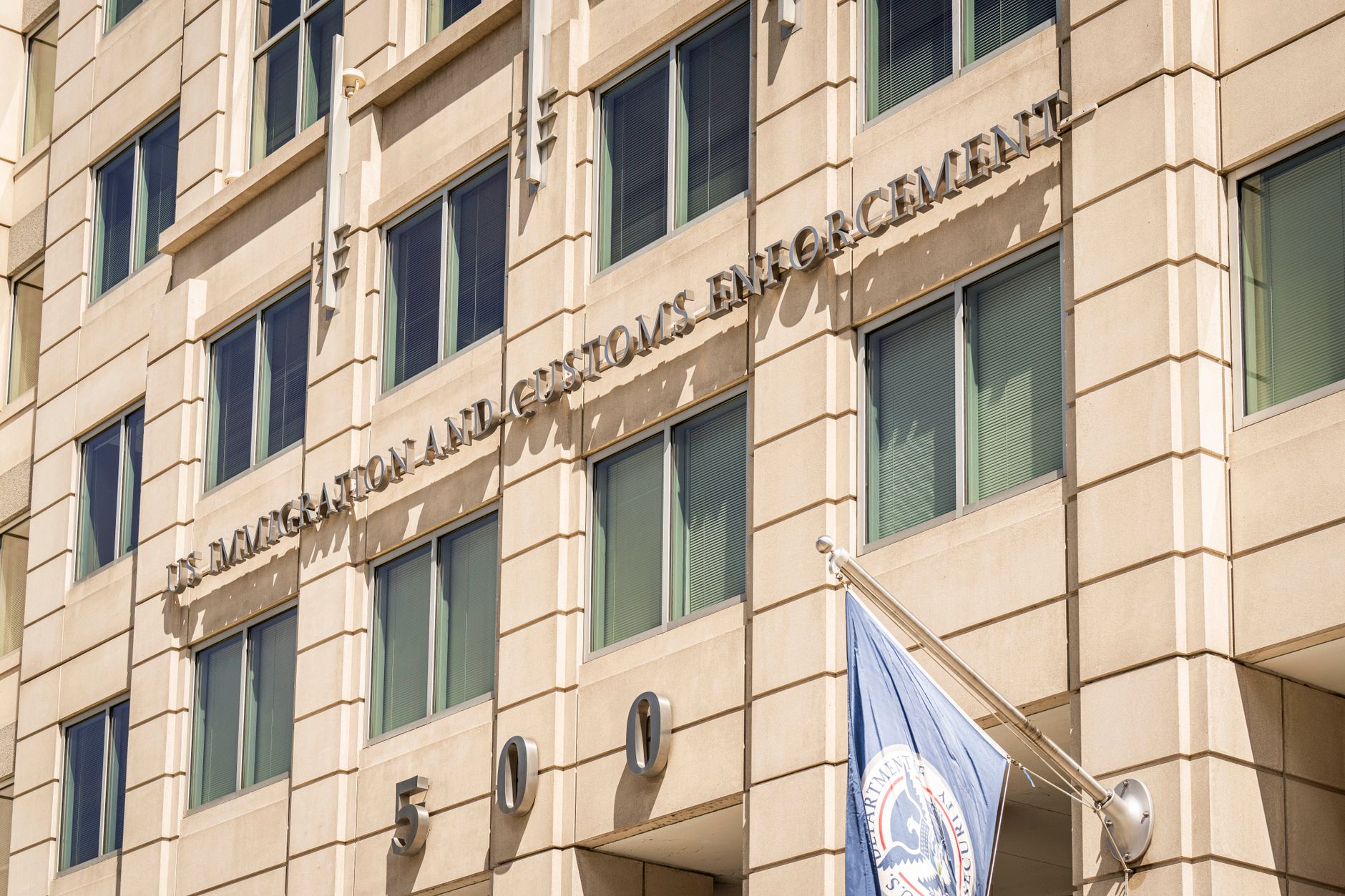
Trump shakes up Homeland Security leadership amid immigration policy fight
Key Takeaways
- It has been reported that the Biden-to-Trump administration made changes to senior leadership at the Department of Homeland Security (DHS) as part of a broader push on immigration enforcement.
- DHS houses agencies that handle asylum, removals, border security, and visa processing — changes at the top can quickly affect policy and field operations.
- The moves could accelerate enforcement priorities (ICE/CBP), alter asylum and parole practices, and create new guidance for USCIS (U.S. Citizenship and Immigration Services).
- For immigrants and visa applicants, the changes mean increased uncertainty: expect possible shifts in removal priorities, delays or sudden changes in adjudications, and renewed legal challenges.
What happened — and what is reported
It has been reported that the White House has reshuffled senior leaders at DHS amid a public fight over immigration policy. Specific personnel moves and the administration’s stated goals were highlighted in TVP World’s coverage. Allegedly, the changes are intended to speed up enforcement and tighten immigration controls, part of a broader political push to show results on border security and removals.
Why leadership matters legally and operationally
DHS oversees CBP (Customs and Border Protection), ICE (Immigration and Customs Enforcement), and USCIS, among other agencies. Those entities implement and interpret immigration laws through enforcement priorities, parole authority, and asylum processing rules. A newly installed leadership team can issue memos, change removal priorities, expand expedited-removal practices, or direct asylum officers and immigration judges to apply new standards. Permanent policy changes, however, may require rulemaking, and senior appointments typically require Senate confirmation — though acting officials can issue immediate directives.
Human impact and what applicants should do now
For migrants, asylum seekers, and visa applicants the impact is immediate and real: faster detentions or deportations for some, shifts in who is prioritized for removal, and uncertainty for those with pending USCIS or immigration court cases. Processing backlogs that have taken years to clear could be reprioritized, and fee or parole programs could be altered or rescinded. People with pending applications should keep counsel informed, maintain up‑to‑date contact information with USCIS, and respond promptly to notices. Immigrants with removal proceedings should consult an immigration lawyer as soon as possible to review options and protective filings.
What to watch next: any formal policy memos from DHS, new rulemaking notices in the Federal Register, and Senate action on nominations. These will indicate whether changes are temporary management shifts or the start of lasting regulatory and enforcement changes.
Source: Original Article