
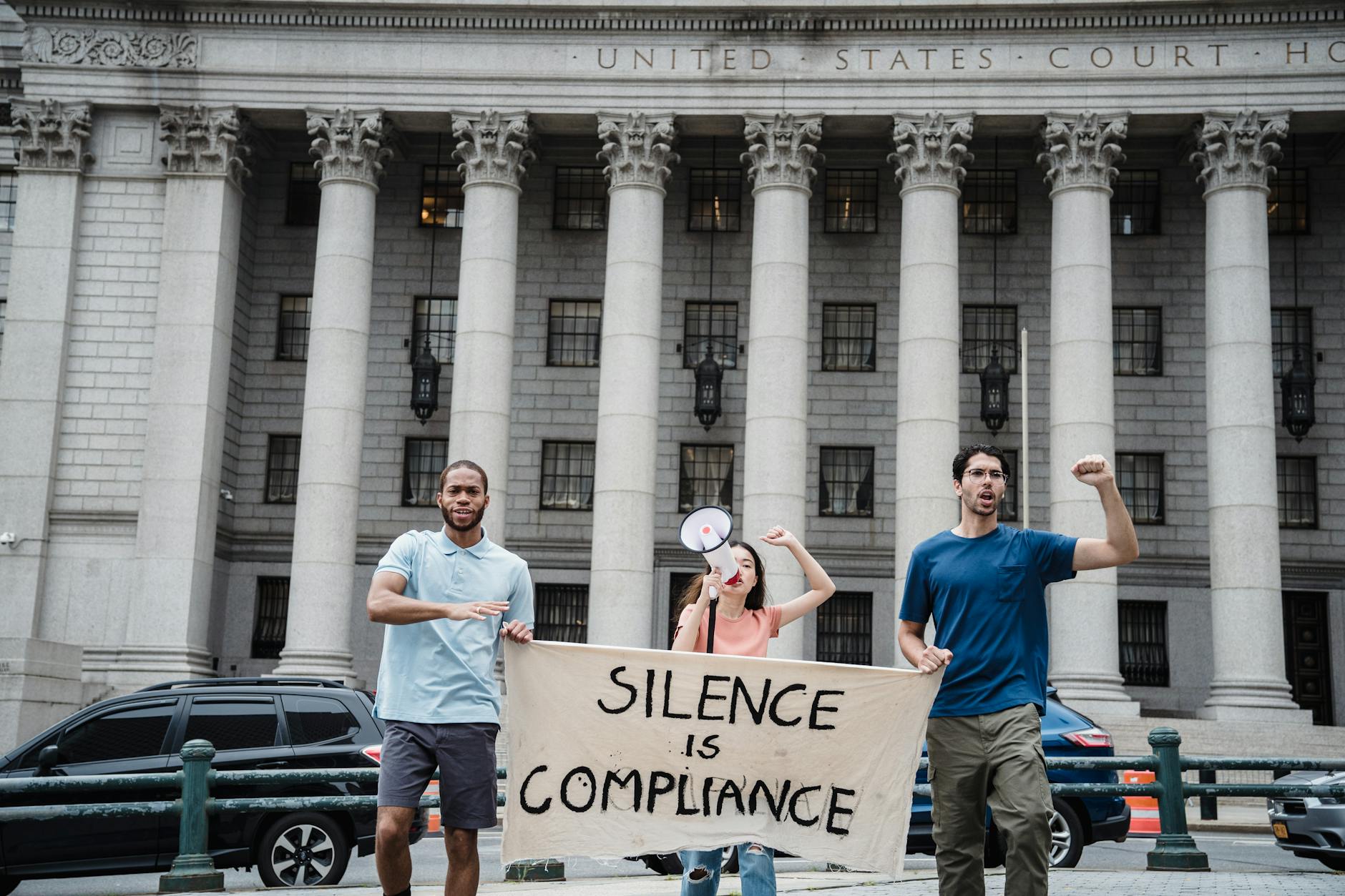
Mississippi immigration package could face ACLU challenge
Key Takeaways
- Mississippi has enacted new laws aimed at reducing illegal immigration; it has been reported that they include enforcement measures affecting housing, employment and local cooperation with federal immigration authorities.
- The ACLU has signaled it may sue, arguing the laws raise constitutional and federal preemption concerns; legal experts point to past Supreme Court precedents limiting state immigration regulation.
- Noncitizens, mixed-status families, employers and landlords could see immediate practical effects — increased checks, fines, or civil liability — and immigrant communities report heightened fear of enforcement.
- If challenged, courts will likely weigh state public‑safety arguments against the federal government's exclusive power over immigration policy; outcomes could mirror litigation over Arizona's 2010 law.
What the laws say (reported provisions)
It has been reported that Mississippi's new package contains multiple provisions designed to curb undocumented immigration, including stricter penalties for harboring or transporting people without lawful status, requirements for employers to verify work authorization, and expanded obligations for local officials to cooperate with federal immigration authorities. Supporters of the laws allegedly argue they will deter unauthorized entry and reduce strain on public services. These specifics remain subject to interpretation and enforcement rules that state agencies will issue.
Legal challenge and constitutional issues
The American Civil Liberties Union (ACLU) has indicated it may file suit, alleging the measures conflict with constitutional protections and federal immigration authority. Under the Supremacy Clause, immigration enforcement is primarily a federal responsibility, and courts have previously struck down state laws that asserted immigration‑control powers (for example litigation around Arizona's SB 1070). Challenges will likely focus on federal preemption, due process, equal protection, and potential civil‑rights violations stemming from increased state or local policing of immigration status.
Human impact — what this means now
For immigrants and mixed‑status families the immediate consequences are practical and psychological: more frequent document checks, higher risk of fines or arrests for hosts and employers, and a chilling effect on seeking services or reporting crimes. For employers and landlords, the laws — as reported — could create new compliance burdens, fines or civil liability for housing or hiring someone without lawful status. Anyone affected should consider consulting an immigration attorney or legal aid group before responding to enforcement actions; organizations such as the ACLU often publish guidance during litigation.
Source: [Original Article](https://news.google.com/rss/articles/CBMiyAFBVV95cUxQYm1GMUtVRlllU1UwRmEtN3VCRmdGLWJGalpCT296Njl2aW5jSWdSWEZkbkJ6ZXFyMXZCNFB5UnVJeGFHS1B4Ym1QTmxTd1JKcUVJa2otYmtBSTE1YlZIZ2RLTkVESEhrSkxKVXVmaUUzenVrTVBJYU1MX25mWVQtdnByUHhPTkE3YVA4RDgtUFlRSXRTYkpCMGxPd0JtUUQtN1JCODluSjFZM2hDWmZHYXFaMVh1Ym93VllyakpIbi1jSGNhbjZrSA?oc=5