
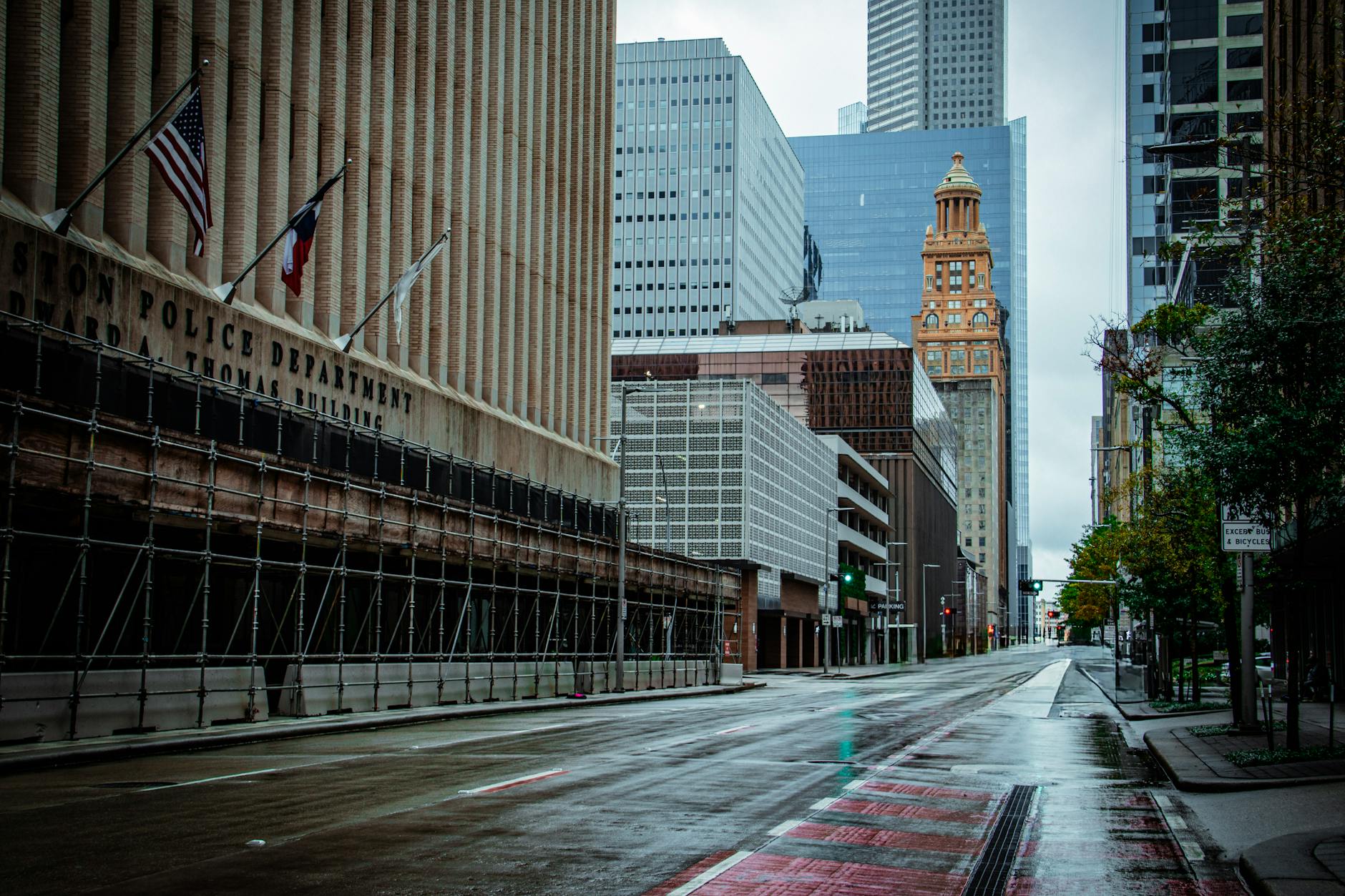
Houston police told to wait for ICE despite council vote limiting cooperation
Key Takeaways
- Houston City Council recently approved limits on local cooperation with ICE (U.S. Immigration and Customs Enforcement).
- It has been reported that a police directive or memo told Houston police officers to continue waiting on ICE rather than immediately releasing people in some cases.
- The guidance highlights a legal tension between local policy choices and federal immigration enforcement tools such as ICE detainers (requests to hold individuals for transfer).
- Real people — including immigrants with pending cases, mixed-status families, and crime victims — could face longer custody or greater fear of contact with police depending on how the policy is implemented.
What happened
Houston’s elected council moved to restrict local cooperation with federal immigration enforcement, limiting how and when city resources are used to aid ICE. At the same time, it has been reported that a directive circulated to the Houston Police Department instructed officers to wait for ICE to take custody in some situations, despite the council’s vote. The timeline and precise scope of that internal guidance remain subject to confirmation.
Legal and policy context
ICE detainers — commonly issued on Form I-247 — are administrative requests from ICE asking local law enforcement to hold an individual for up to 48 hours beyond a scheduled release so federal officials can assume custody. A detainer is not a judicial warrant; legal experts have long warned that holding someone solely on a detainer can raise Fourth Amendment issues (unlawful seizure) and create liability for local agencies. Municipal limits on cooperation are part of a wider national debate over whether cities should assist federal immigration enforcement and how to protect community trust and constitutional rights.
Human impact and what it means now
For immigrants and their families, mixed messages between City Council policy and police practice can mean uncertainty and risk. People with immigration cases — including lawful permanent residents, visa holders with compliance problems, asylum seekers, and undocumented migrants — may face additional detention if officers wait for ICE. The situation also affects public safety: immigrants may be less likely to report crimes if they fear immigration consequences. Anyone who might be affected should document interactions, know their rights (for example, the right to remain silent and to speak to an attorney), and contact an immigration lawyer or local legal aid group for advice tailored to their case.
Source: Original Article