
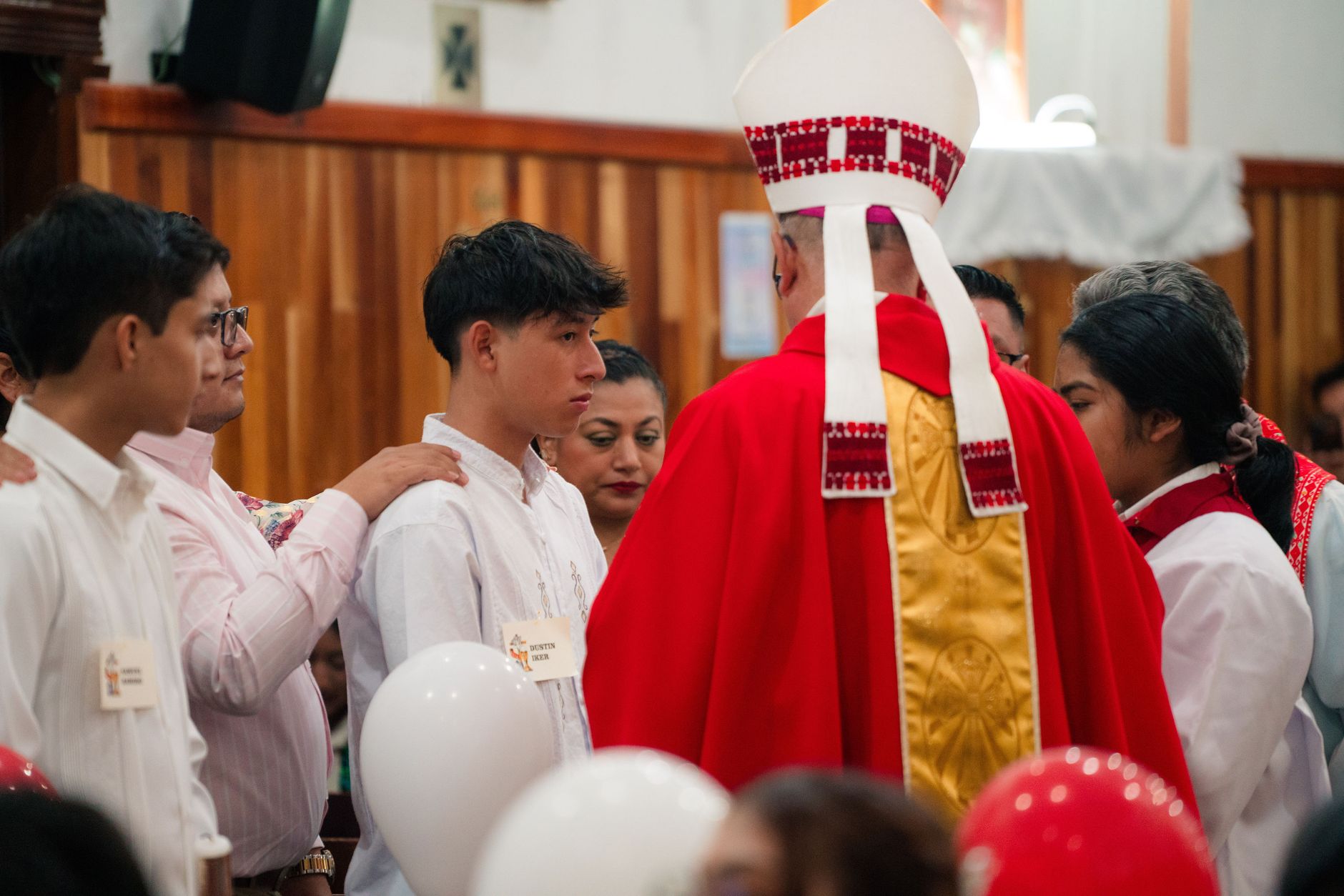
Influential U.S. cardinals caution against Iran war, Trump immigration policies
Key Takeaways
- It has been reported that several influential U.S. Catholic cardinals publicly warned against military action toward Iran and urged restraint.
- The cardinals also criticized immigration policies associated with the Trump administration, calling for more humane treatment of migrants.
- Their intervention is primarily moral and political pressure; it does not change immigration law but can shape public debate and influence policymakers.
- For migrants and visa applicants, the most immediate effects are indirect: advocacy can affect future policy direction, but current backlogs and agency procedures (USCIS, ICE, CBP) remain in force.
What the cardinals said
It has been reported that the cardinals used their platform to urge U.S. officials to avoid escalation with Iran and to favor diplomacy over military action. They also drew attention to the human costs of restrictive immigration policies linked to the Trump era, arguing for compassion in how migrants and asylum seekers are treated. These statements are moral and political appeals from senior Catholic leaders, not legal actions or executive directives.
Policy context and legal terms
The remarks land against a backdrop of heightened U.S.-Iran tensions and a legacy of Trump-era immigration measures — including tighter asylum rules, tougher border enforcement, and family separation practices — that reshaped enforcement priorities. For readers unfamiliar with agency names: USCIS is U.S. Citizenship and Immigration Services (handles visas, green cards and naturalization), ICE is Immigration and Customs Enforcement (enforcement and detention), and CBP is Customs and Border Protection (ports of entry and border interdiction). Those agencies, along with existing statutes and regulations, still govern day-to-day immigration processes such as visa processing times, asylum adjudications and removals.
What this means for people going through the process now
For immigrants, migrants and visa applicants, the cardinals’ intervention is significant symbolically — it can increase public pressure on lawmakers and administrations to modify policies — but it does not create immediate legal relief. Processing backlogs, fee structures and current eligibility rules remain in place until changed by Congress, federal agencies or court rulings. Practically, individuals should continue to monitor official guidance from USCIS, ICE and the State Department, seek legal counsel for case-specific advice, and follow congressional and administrative developments that might lead to concrete policy shifts.
Source: Original Article