
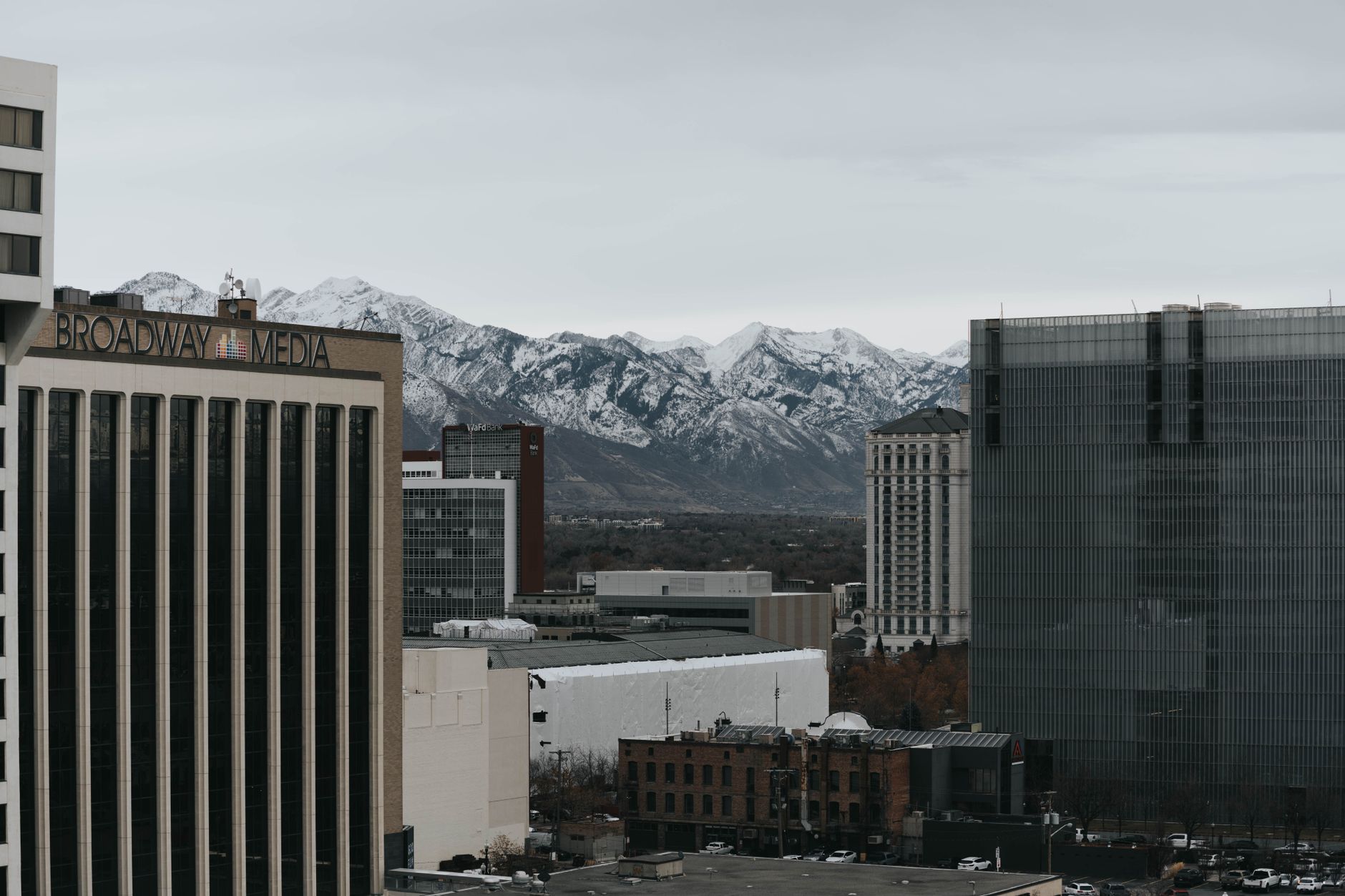
Immigration crackdown stunts population growth across the U.S. — but not in these Utah cities
Key Takeaways
- It has been reported that nationwide population growth has slowed, in part because of an immigration crackdown and lower arrival rates.
- Some Utah cities continue to grow despite the national trend, driven largely by domestic migration, economic opportunity, and higher local birth rates.
- The divergence creates different pressures: shrinking areas face labor shortages and aging populations, while growing Utah cities confront housing, school, and infrastructure strain.
- For would‑be immigrants, changing enforcement and policy mean uneven local labor markets and variable access to jobs and services; USCIS (U.S. Citizenship and Immigration Services) processing times and rule changes remain crucial factors.
Overview
It has been reported that a recent crackdown on immigration — including stricter enforcement at the border and changes to asylum and parole practices — has helped push U.S. population growth down from earlier highs. Analysts and demographers point to fewer new arrivals and slower international migration as one piece of a broader slowdown that also includes lower birth rates and pandemic-era disruptions. The result is a patchwork effect across the country: many metropolitan areas are seeing subdued or negative growth, while others buck the trend.
Why some Utah cities keep growing
According to reporting in the linked Deseret News piece, several Utah cities have continued to expand even as the national growth rate cooks down. Local growth in Utah appears to be largely driven by domestic movers — people relocating from higher‑cost or slower labor‑market areas — plus robust local economies, construction activity, and relatively high birth rates. Local job demand in construction, tech, healthcare and service sectors can attract both U.S. movers and some immigrant workers, moderating the impact of national immigration slowdowns on those communities.
What this means for immigrants and communities
For immigrants and visa applicants, the national decline in net arrivals changes the landscape. Stricter enforcement and reduced arrivals can lengthen family reunification timelines, shift labor demand, and make some regions less welcoming or viable for newcomers. At the same time, growing Utah cities may offer more immediate job openings and community support but also rising housing costs and stretched schools and services. USCIS processing backlogs and fee changes remain important practical constraints for anyone navigating legal immigration pathways.
Source: Original Article