
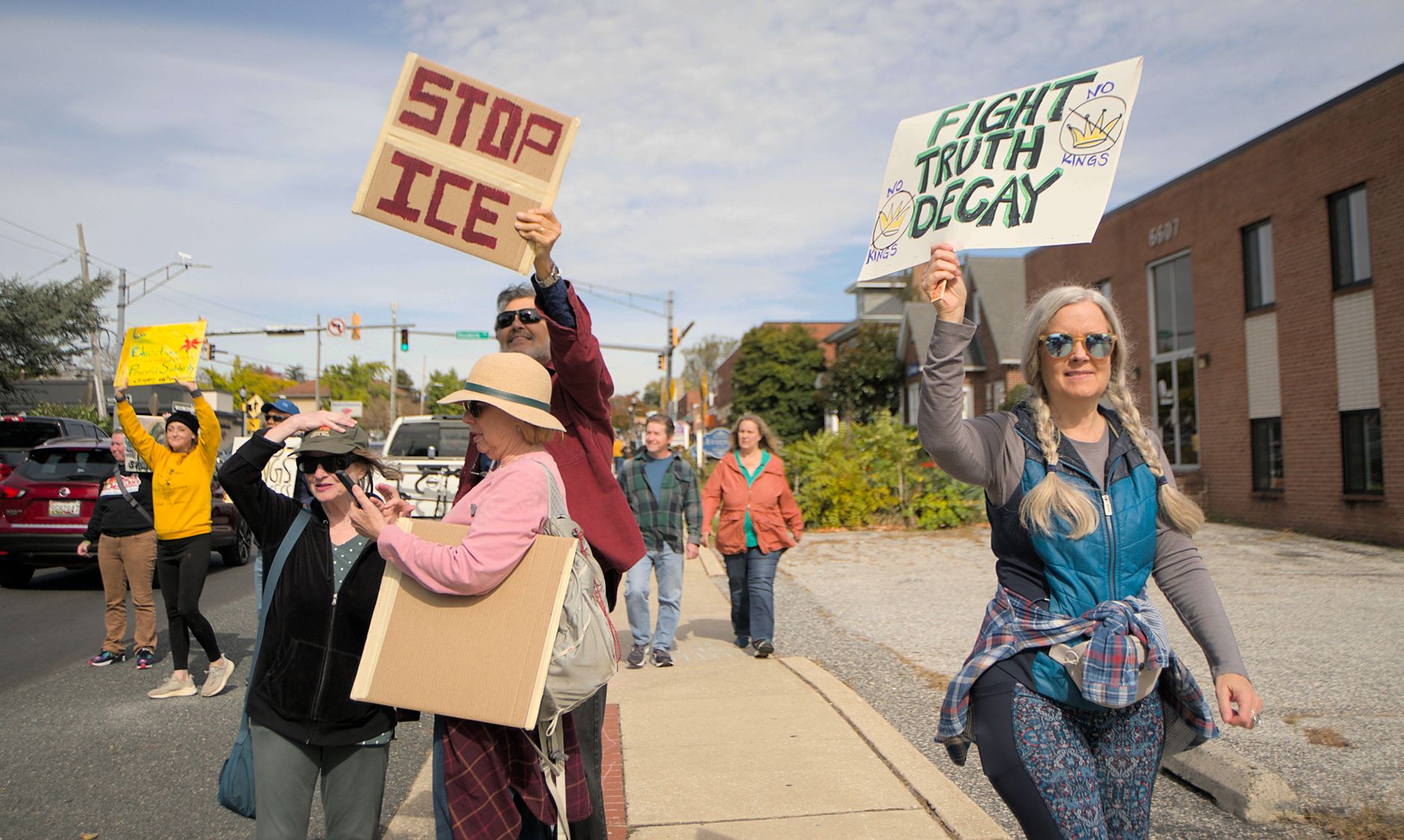
Ahead of 'No Kings' rally, advocates say ICE enforcement persists
Key Takeaways
- Advocates in the Twin Cities say U.S. Immigration and Customs Enforcement (ICE) operations are continuing even as community groups plan a "No Kings" rally.
- It has been reported that advocates allege recent arrests and enforcement actions in the area; those claims have not been independently verified here.
- ICE is the interior enforcement arm of DHS (Department of Homeland Security); enforcement often affects undocumented people, people with prior removal orders, and some asylum seekers.
- Immigrants and families should know basic rights if approached by ICE and connect with local legal aid — fear of enforcement can disrupt access to work, school, and services.
Background
Organizers planned a "No Kings" rally to protest immigration enforcement in the Twin Cities, and advocates say enforcement activity by ICE has continued in the lead-up to the event. It has been reported that community groups and immigration advocates allege recent arrests and local operations, though those specific claims are described by organizers and have not been independently corroborated in this brief. The dispute underscores tensions between local communities and federal interior enforcement policies.
Enforcement and legal context
ICE (U.S. Immigration and Customs Enforcement) is the component of DHS responsible for interior arrests, detention and removals. Enforcement can range from targeted arrests of people with final removal orders to broader operations that community groups characterize as sweeps. Allegations about specific operations should be treated as such until ICE or DHS issues formal statements; federal agencies sometimes confirm or dispute local accounts after the fact. Legal outcomes for people arrested depend on their immigration status, court history, and access to counsel.
Human impact and what this means now
For people living in mixed-status families or undocumented communities, the threat or reality of enforcement has immediate consequences: missed work, school disruptions for children, and reluctance to seek health care or report crime. Immigrants who fear an encounter with ICE should know basic protections — for example, ask to see a warrant signed by a judge before allowing agents into a home, and request a lawyer — and should contact local legal-aid organizations for advice tailored to their situation. Community rallies and advocacy aim to draw attention and pressure policymakers, but they do not change the agency’s legal authority; people should plan accordingly and seek legal guidance.
Source: Original Article