
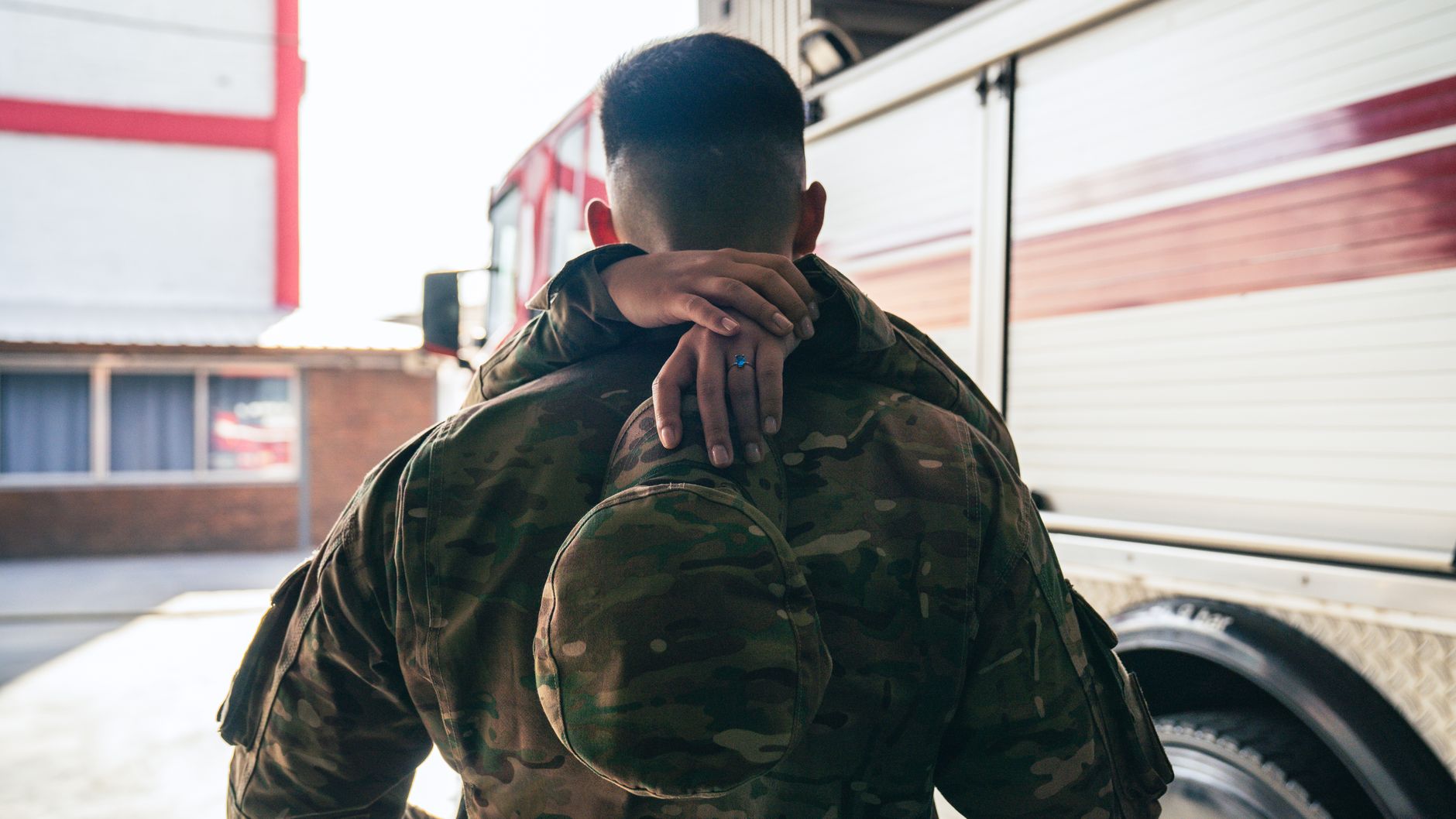
Wife of US soldier released from federal immigration detention
Key Takeaways
- It has been reported that the wife of a U.S. soldier has been released from federal immigration detention.
- Release from detention is not the same as a change in immigration status; she may still face removal proceedings or conditions such as bond or supervised release.
- Military-family discretionary protections such as Parole in Place (PIP) or an approved I‑130 family petition can help spouses of U.S. citizens, but eligibility and timing matter.
- The case highlights the human consequences of detention for military families and the complexity of remedies available through USCIS (U.S. Citizenship and Immigration Services) and EOIR (Executive Office for Immigration Review).
What was reported
It has been reported that the wife of a U.S. soldier was released from federal immigration detention, according to the Decatur Daily. Details in the report about the terms of her release — whether on bond, parole, or other conditions — were not specified in the summary available. Federal immigration detention is typically administered or overseen by U.S. Immigration and Customs Enforcement (ICE); releases can be discretionary and do not automatically resolve underlying immigration cases.
Legal context and options
Release from immigration custody does not equate to lawful status. Many foreign-born spouses of U.S. citizens pursue relief through an I‑130 family petition (petition for an alien relative) filed with USCIS and, when eligible, an I‑485 (adjustment of status) to become a lawful permanent resident. However, applicants who initially entered without inspection, or who have accrued unlawful presence, often need waivers (for example, the provisional unlawful presence waiver I‑601A) or discretionary relief such as Parole in Place (PIP). PIP is a discretionary USCIS policy that can be used to shield certain immediate relatives of active-duty and veteran service members from removal and allow them to apply for status adjustment without leaving the U.S., but it is not automatic.
Human impact and what it means now
For the soldier and spouse involved, release from detention likely brings immediate emotional and logistical relief — avoiding the disruption of incarceration — but many legal uncertainties typically remain. They should secure counsel experienced in military-family immigration issues to assess whether PIP, an I‑130 plus adjustment, waivers, or representation in immigration court is the most appropriate next step. For other immigrants and visa applicants, this case underscores that detention decisions and releases are often tactical steps in a larger immigration process; people should not assume release resolves immigration exposure.
Source: Original Article