
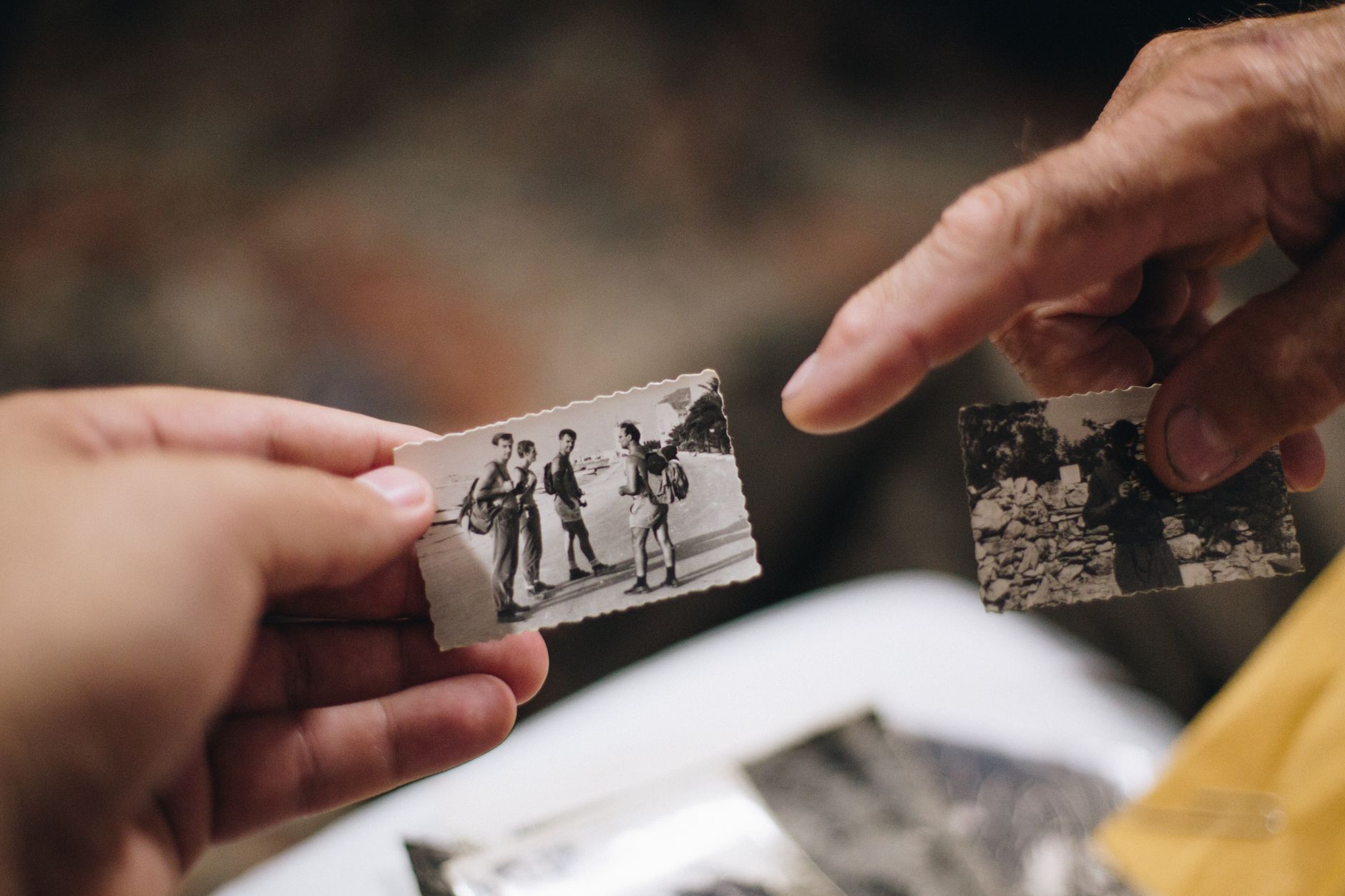
MCHS Exhibit Explores Immigration, Identity and Shared Stories That Continue to Shape Milwaukee
Key Takeaways
- The Milwaukee County Historical Society (MCHS) is mounting an exhibit that centers immigrant experiences and community stories shaping the city.
- It has been reported that the exhibit uses photographs, oral histories, and objects to trace how migration and identity have intersected in Milwaukee.
- The show connects cultural memory to policy-era changes — from past immigration waves to contemporary debates — and highlights local community responses.
- For immigrants and visa applicants, the exhibit underscores the human impact of immigration systems and points to local resources and civic organizations that assist newcomers.
What the exhibit highlights
It has been reported that the MCHS exhibit collects personal stories, images, and artifacts that reflect how successive waves of newcomers have made Milwaukee home. Organizers allegedly emphasize cross-cultural exchange, belonging, and the ways identity is negotiated across generations. The presentation reportedly weaves individual narratives with broader social patterns, illustrating how everyday life and institutions — schools, churches, workplaces — shape immigrant experiences.
Why this matters now
Exhibits like this matter beyond museum walls. They frame migration as a continuous process influenced by law, economy, and community action. For readers unfamiliar with immigration administration: USCIS (U.S. Citizenship and Immigration Services) handles many routine applications (green cards, naturalization, work authorization), while other agencies manage border, refugee, and asylum processes. Policy shifts — changes in processing times, enforcement priorities, or refugee resettlement numbers — filter down to local communities, affecting access to benefits, family reunification timelines, and legal pathways. The MCHS exhibit situates those policy-driven changes within human stories, showing how statutes and paperwork intersect with daily life.
What it means for people going through immigration processes
For immigrants, the exhibit is a reminder that personal stories matter and that local networks and nonprofits often provide practical help — from legal referrals to language classes and job support. It also underscores a practical point: knowing your rights and connecting with accredited immigration counsel is essential when navigating USCIS procedures or handling court appearances. For policymakers and the public, the show invites reflection on how municipal services, schools, and employers can better support newcomers struggling with delays, fee increases, or complex visa requirements.
Source: Original Article