
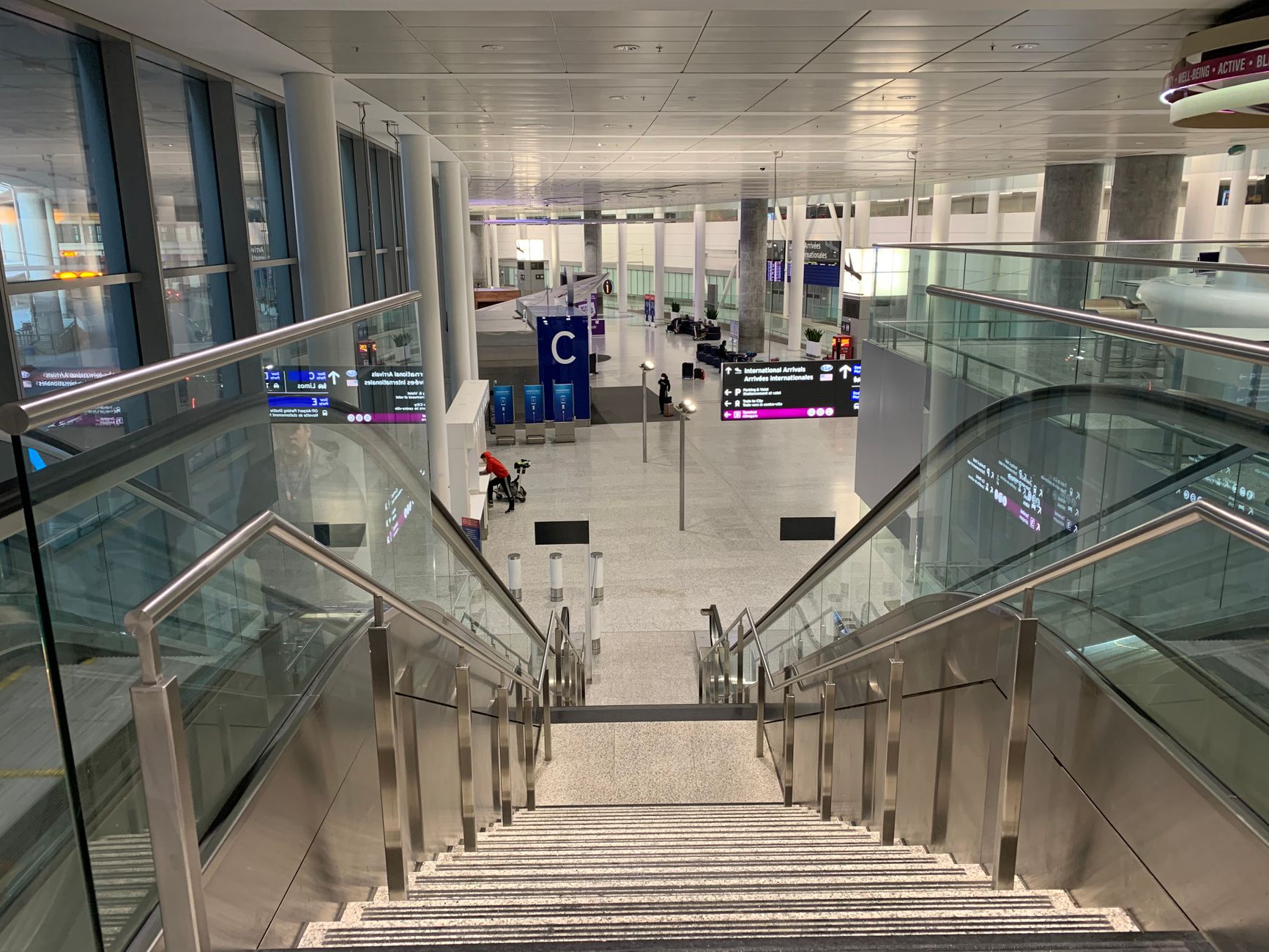
Trump’s border chief threatens to close customs at top US airports
Key Takeaways
- It has been reported that a Trump-era border official allegedly threatened to close customs processing at several major U.S. airports.
- Closing customs — the work of CBP (U.S. Customs and Border Protection) — would disrupt international passenger and cargo arrivals and could force flight diversions.
- Such a move would be unprecedented, face legal and logistical obstacles, and would have immediate consequences for visa holders, refugees/asylum seekers, and returning residents.
- Travelers and immigrants should monitor official DHS/CBP notices and contact counsel or their consulate if travel plans could be affected.
What was reported
It has been reported that "Trump’s border chief" allegedly threatened to close customs operations at top U.S. airports, according to The Times. The report frames the threat as a political lever — a bargaining tactic to pressure other actors or to drive home an enforcement stance — but details and motivations remain unverified. Federal agencies have not, at the time of reporting, implemented broad airport closures.
What “closing customs” would mean
Customs and Border Protection (CBP) is the federal agency that inspects arriving international passengers and cargo at ports of entry. If CBP stopped processing arrivals at major airports, international flights could be delayed, diverted, or cancelled; airlines would face operational, legal, and commercial fallout. For travelers and would‑be immigrants, closures would halt routine inspections that admit visa‑holders (nonimmigrant and immigrant), process travelers under the Visa Waiver Program (ESTA), and enable lawful permanent residents to re‑enter. Asylum seekers who present at airports to request protection could be turned away or face new barriers to filing claims.
Legal, practical and human impacts
A wholesale shutdown of customs at airports would be extraordinary and likely contested in court. Authority over CBP operations lies within the Department of Homeland Security (DHS) chain of command, but practical constraints — interagency coordination, international aviation rules, airline contracts, and bilateral air service agreements — make blunt closures difficult to sustain. The human toll would be immediate: students and workers abroad could miss start dates, families could be separated, urgent medical travel could be disrupted, and refugees or asylum applicants could lose access points to U.S. protection. Past policy moves, like Title 42 expulsions during the COVID pandemic, show how enforcement decisions can ripple through migration systems; this reported threat would follow that pattern of using operational levers for policy aims.
What this means now: monitor official CBP and DHS communications, check airline advisories before traveling, and consult an immigration attorney if you have time‑sensitive petitions, ongoing visa processing, or imminent travel. For travelers abroad, registering with your embassy can help if large‑scale disruptions occur.
Source: Original Article