
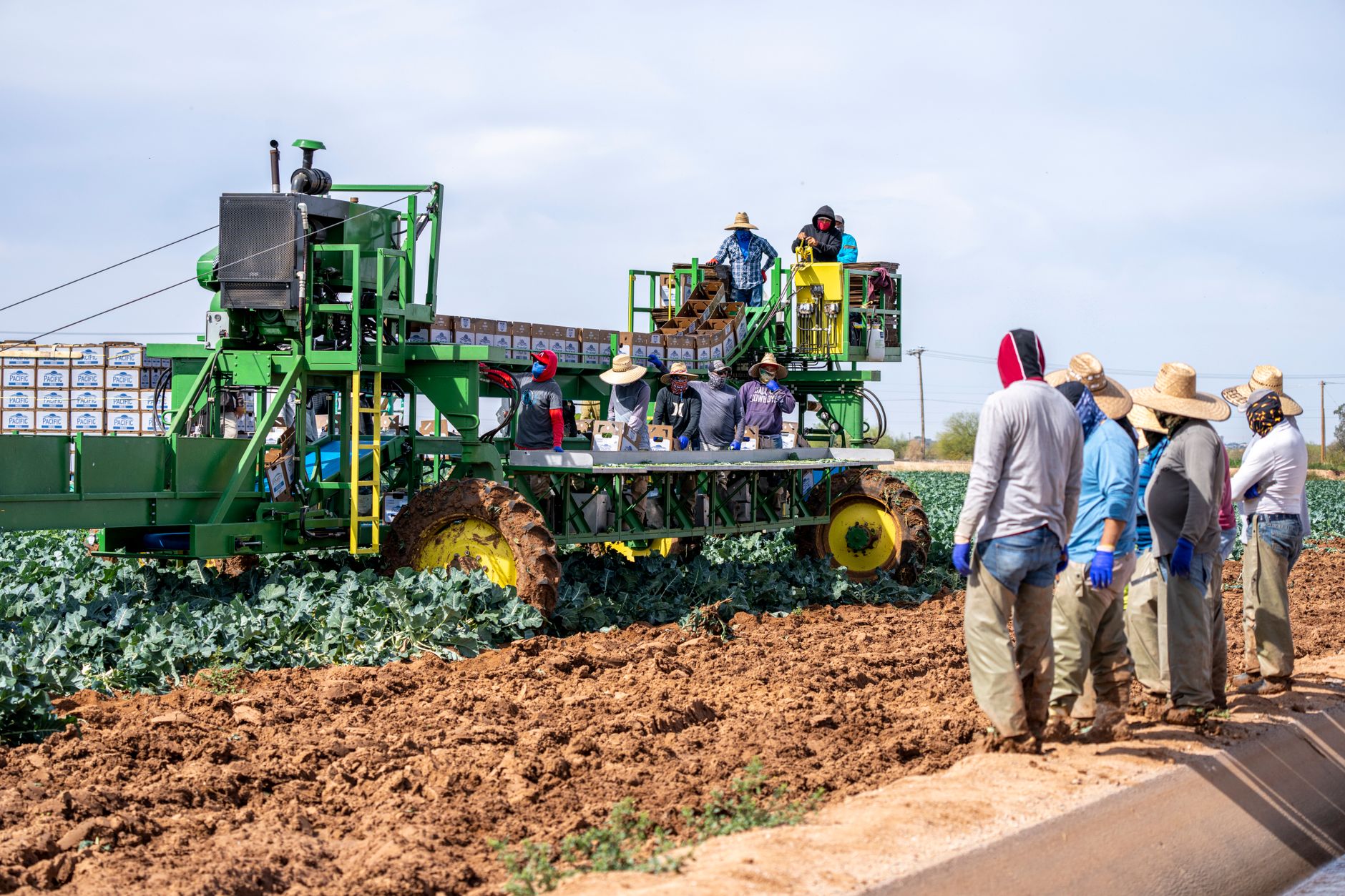
Trump Administration Turns to Migrant Workers to Help Farm Labor Shortage
Key Takeaways
- It has been reported that the Trump administration is increasingly relying on migrant farm labor to fill persistent seasonal shortages.
- Employers are using the H‑2A temporary agricultural worker program; that program requires Department of Labor (DOL) certification and employer petitions to USCIS (U.S. Citizenship and Immigration Services).
- The move highlights tensions: growers say they need workers to harvest crops on time; labor advocates warn about worker protections and downward pressure on wages.
- For migrants, the H‑2A route is temporary, tied to an employer, and offers limited family and long‑term immigration options.
What was reported
It has been reported that the administration has turned to migrant workers as a pragmatic response to chronic farm labor shortages that threaten harvests and supply chains. News coverage says employers are leaning on the H‑2A visa program — the U.S. temporary agricultural worker category — to bring in seasonal labor at a time when domestic recruitment is falling short. Critics and supporters are quoted in the reportage, with each side framing the policy as either necessary for food production or symptomatic of systemic labor problems.
Policy context and legal mechanics
H‑2A is a temporary, employer‑sponsored program. Employers must obtain a temporary labor certification from the DOL showing no able, willing and qualified U.S. workers are available, and then file a petition with USCIS (U.S. Citizenship and Immigration Services). Visa issuance and travel for workers abroad involve consular processing, which can add weeks or months depending on embassy backlogs. The program requires employers to pay the Adverse Effect Wage Rate (AEWR) or prevailing wage and to provide housing and transportation in many cases. It does not provide a direct path to permanent residency and is tightly tied to the hiring employer.
Human impact and what it means now
For farmers and food processors, faster use of H‑2A workers can ease immediate labor shortfalls and reduce crop loss. For migrants, the pathway offers work but brings constraints: jobs are temporary, visas are employer‑specific, and long‑term stability is limited. Labor advocates caution that expanding reliance on H‑2A can perpetuate low domestic recruitment incentives and raise worker‑rights concerns; employers and some economists argue the program is essential for agricultural continuity. Practically, anyone pursuing H‑2A now should plan for lead times — DOL certification and USCIS decisions plus consular scheduling — and seek legal guidance about contracts, wage guarantees, housing conditions, and the narrow immigration options after a season ends.
Source: Original Article