
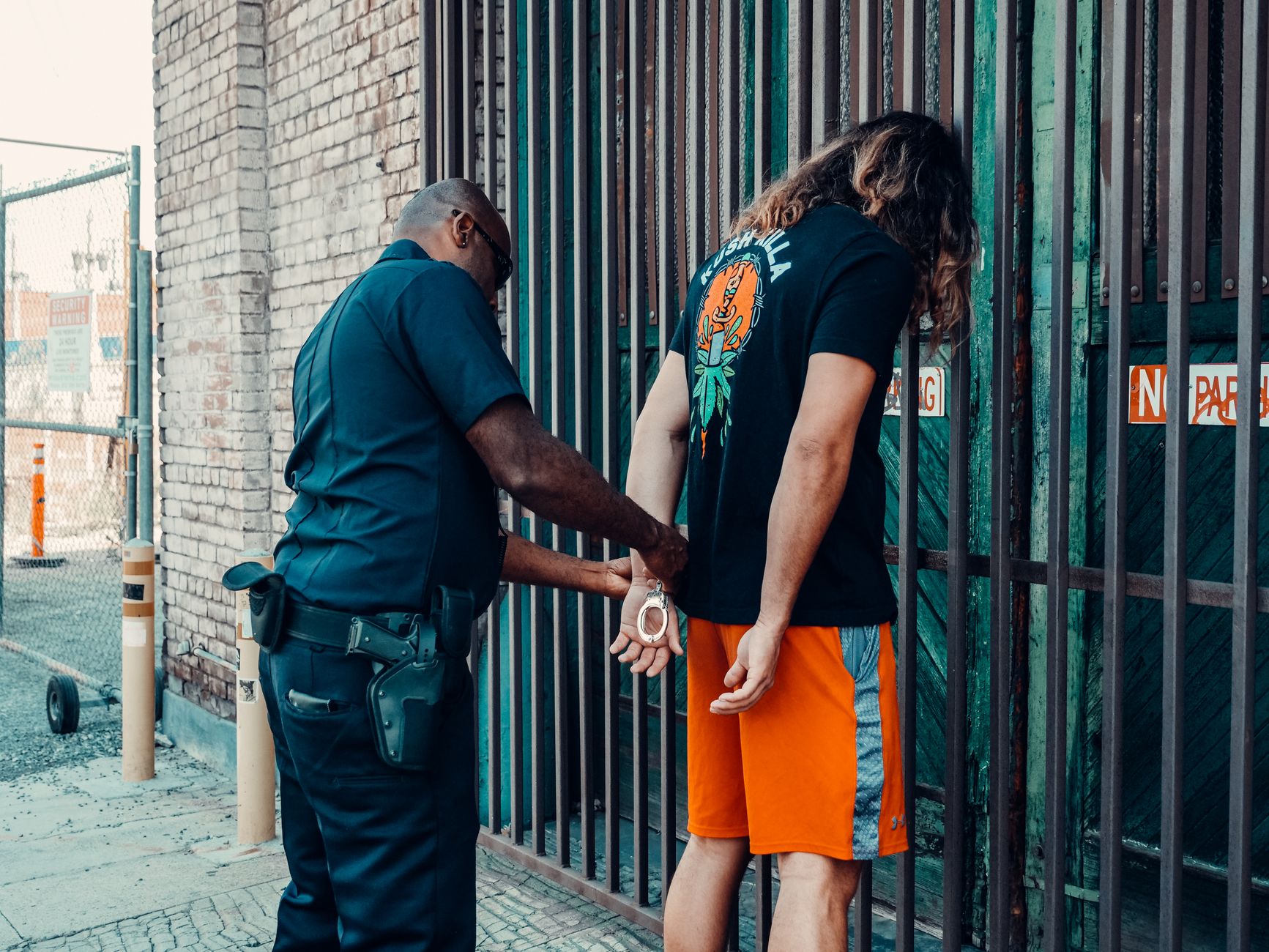
Acusan que agentes de migración usan el Título 18, sección 111, para hacer detenciones arbitrarias
Key Takeaways
- It has been reported that migration agents are allegedly invoking 18 U.S.C. § 111 to justify arrests of migrants during enforcement actions.
- 18 U.S.C. § 111 is a federal criminal statute that penalizes assaulting, resisting, or impeding certain federal officers; penalties escalate if there's injury or a weapon.
- If criminalized under § 111, migrants can face immediate detention, criminal records and immigration consequences (including removal and bars to relief).
- Affected groups include asylum seekers and noncitizens encountered by CBP (Customs and Border Protection) and ICE (Immigration and Customs Enforcement).
- Detainees and their advocates are advised to seek counsel, document encounters, and consider complaints to DHS oversight bodies.
Resumen de la acusación
It has been reported that agentes de migración, según notas de Univision, están usando el Título 18, sección 111 del Código de los Estados Unidos para realizar detenciones que críticos califican de arbitrarias. Allegedly, en varios incidentes las autoridades han aplicado ese artículo —que castiga agredir, resistir o impedir a funcionarios federales— en contextos que defensores de derechos humanos consideran fuera de lo previsto por la ley penal. 18 U.S.C. § 111 puede implicar penas de prisión que varían según si hubo lesión corporal o uso de un arma, y por eso su uso tiene consecuencias graves para quien sea acusado.
Contexto legal y administrativo
La sección 111 es parte del Código Penal federal (Title 18) y fue diseñada para proteger a funcionarios federales en el cumplimiento de sus funciones. CBP (Customs and Border Protection) y ICE (Immigration and Customs Enforcement) son las agencias que mayormente intervienen en la frontera y puntos de detención; USCIS (U.S. Citizenship and Immigration Services) administra trámites de inmigración civiles, no detenciones, pero las acciones penales afectan procesos ante USCIS y tribunales de inmigración. El uso de cargos penales por parte de agentes de migración ha sido objeto de controversia: abogados y organizaciones de defensa dicen que puede producir detenciones preventivas sin pruebas claras, limitar el acceso a abogados y acelerar procedimientos de deportación. Las víctimas pueden presentar denuncias ante la Oficina de Derechos Civiles y Libertades Civiles (CRCL) del DHS y solicitar revisiones al Inspector General (OIG) del departamento.
Impacto para migrantes y pasos prácticos
Para una persona que busca asilo u otra forma de alivio, una acusación bajo § 111 puede ser desastrosa: además de la detención y posible condena penal, un registro criminal puede convertir solicitudes de alivio en inadmisibles o "aggravated" bajo la ley de inmigración, facilitando la deportación. Qué significa esto ahora: documentar interacciones (fecha, lugar, nombres, testigos), pedir acceso a un abogado lo antes posible, solicitar audiencias de fianza cuando proceda y, si se cree que hubo abuso de autoridad, presentar quejas formales ante CRCL y OIG. El panorama también importa para abogados y defensores: litigios podrían buscar limitar el uso de la sección 111 en contextos migratorios o pedir supervisión más estricta sobre prácticas de detención.
Source: Original Article