
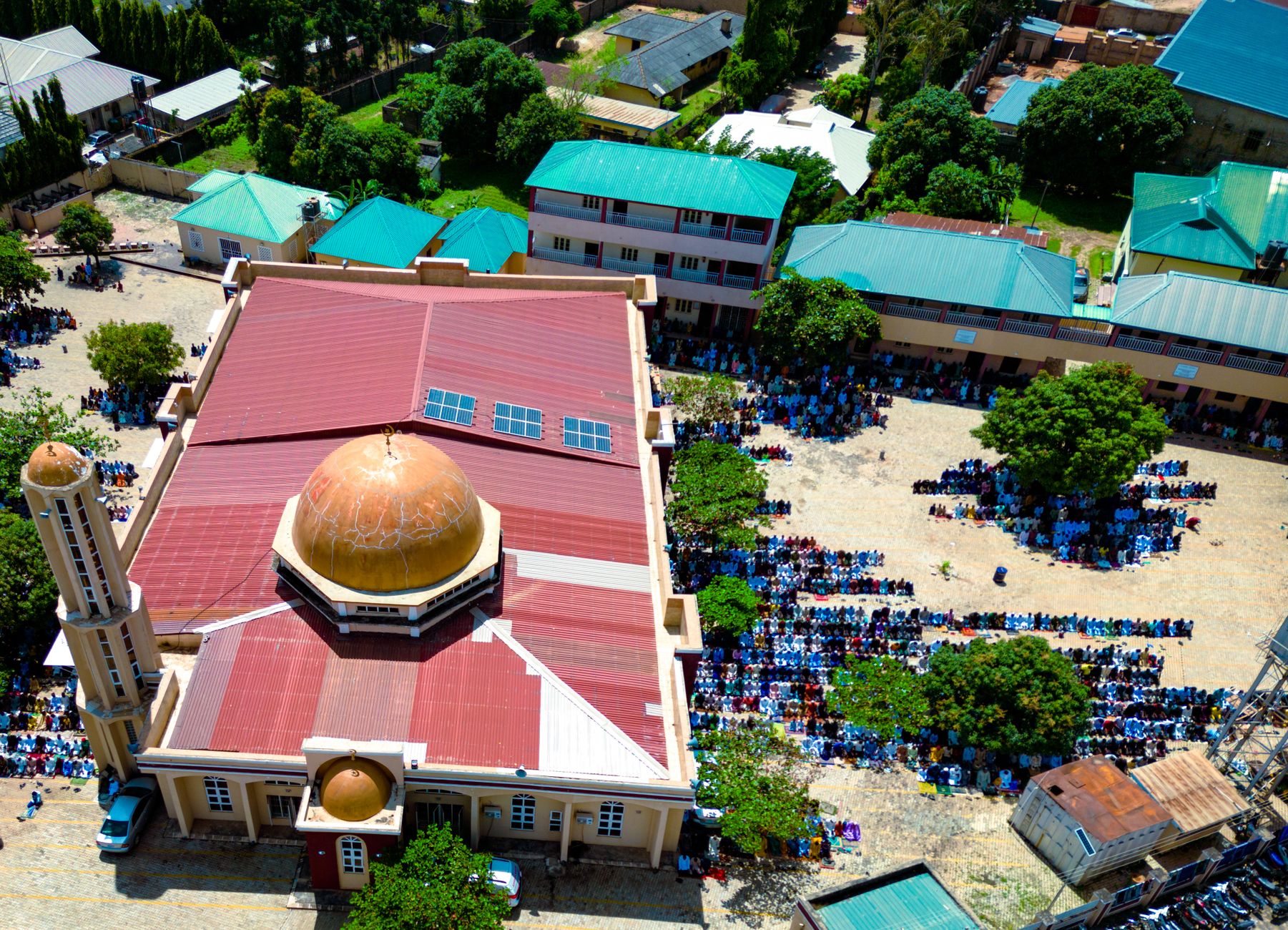
ICE arrests leader of Wisconsin’s largest mosque; detained man reportedly a Palestinian lawful permanent resident
Key Takeaways
- It has been reported that U.S. Immigration and Customs Enforcement (ICE) arrested the leader of Wisconsin’s largest mosque; the individual is reportedly a Palestinian with a green card (lawful permanent resident).
- ICE is the agency that enforces civil immigration laws; lawful permanent residents (LPRs) can be detained and placed in removal (deportation) proceedings under certain circumstances.
- Arrests like this can leave families and congregations uncertain for months because immigration-court backlogs often delay final hearings and decisions.
- Anyone facing contact with ICE should seek an immigration attorney immediately, gather immigration documents, and avoid answering questions without legal counsel.
What was reported
It has been reported that ICE arrested the leader of the state’s largest mosque; the person allegedly is a Palestinian who holds a U.S. green card (lawful permanent residency). Details released publicly so far are limited, and specific allegations or charges have not been fully confirmed in the available reporting. ICE typically handles arrests of noncitizens for a range of reasons — from immigration violations to criminal or national-security-related concerns — and reporting on this case has described the detention but not a final charge or immigration determination.
Legal context and consequences
ICE (U.S. Immigration and Customs Enforcement) enforces immigration laws and can arrest noncitizens — including LPRs — and place them into removal proceedings before the immigration court. A green card does not make someone immune from deportation: convictions for certain crimes, fraud in the immigration process, or national-security designations can make a lawful permanent resident removable. Detainees have a right to a hearing in immigration court and to hire an attorney, but they do not have a right to government-appointed counsel; bond may be available in some cases but can be denied for serious offenses or flight risk.
What this means for people going through the process
For Muslim communities, Palestinian immigrants, and other immigrant households, an arrest of a community leader can have immediate human impacts: family separation, disruption of community services, and anxiety about participation in civic or religious life. Practically, anyone contacted by ICE should promptly contact an immigration lawyer, make copies of identity and immigration documents (green card, passport, immigration paperwork), and avoid making statements to agents without counsel. Expect long waits for hearings given the immigration-court backlog, and plan for legal steps (bond motions, defensive removal proceedings, or appeals) that can take months or years to resolve.
Source: Original Article