
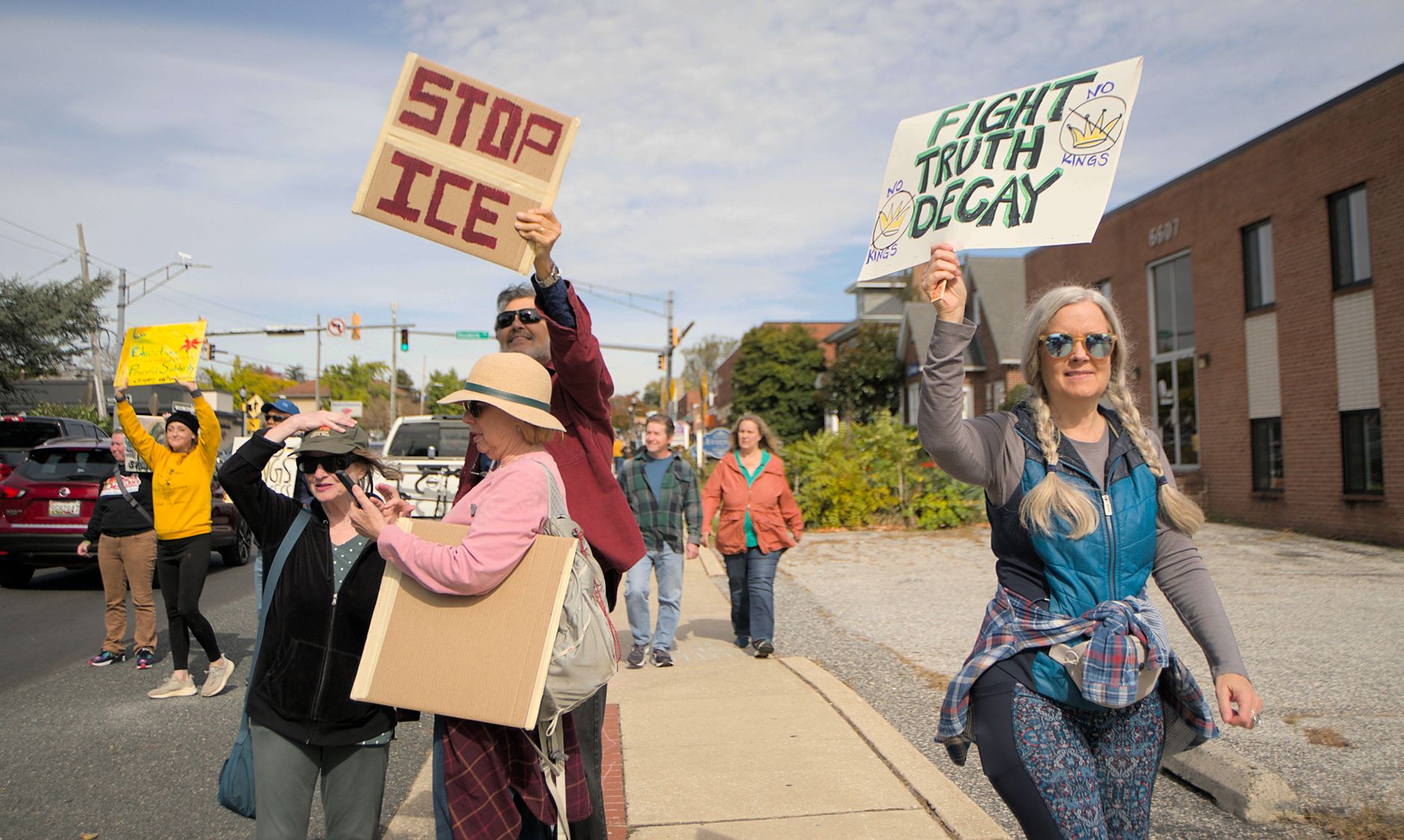
“ICE is not welcome”: redadas urbanas e instrumentalización política del control migratorio en Estados Unidos
Key Takeaways
- It has been reported that recent urban raids by ICE (Immigration and Customs Enforcement) have intensified public debate about whether enforcement actions are being used for political ends.
- Critics allege the timing and locations of raids coincide with electoral cycles and public controversies, raising concerns about instrumentalization of immigration control.
- The operations increase fear among undocumented communities, reduce cooperation with local authorities, and risk family separations and economic harm to mixed‑status households.
- Tensions between federal enforcement and sanctuary jurisdictions persist; legal challenges and calls for clearer oversight of ICE practices are likely to continue.
What has been reported
It has been reported that ICE has carried out a series of urban immigration raids that activists and some local officials describe as high‑visibility and disruptive. ICE (Immigration and Customs Enforcement) is the federal agency responsible for arresting and removing noncitizens who are subject to removal (deportation). Allegedly, critics argue these actions are not only enforcement but also serve political objectives—timed or publicized in ways that amplify their visibility during sensitive political moments.
Legal and political context
Immigration enforcement in the U.S. has long been shaped by policy choices at the federal level and by friction with local jurisdictions that adopt sanctuary policies. ICE generally prioritizes individuals with final orders of removal, those with certain criminal convictions, and others deemed national‑security or public‑safety risks, but internal guidance and enforcement priorities can shift between administrations. The allegation that raids are instrumentalized for politics recalls past debates over surge enforcement under different presidencies; whether individual operations cross legal or constitutional lines is often litigated in federal courts and reviewed by oversight bodies.
Human impact and community response
For people living in immigrant communities, the effects are immediate and tangible. Raids create fear that dissuades victims and witnesses from reporting crimes, undermining public safety. Mixed‑status families risk separation and economic hardship when primary earners are detained. Local governments and advocacy groups have organized Know Your Rights campaigns and hotlines; lawyers warn that individuals stopped in raids should request counsel and not sign documents without legal advice. Those targeted may face removal proceedings—administrative court processes where noncitizens contest deportation—often with long waits and limited access to counsel.
What this means now
For people navigating the immigration system, the practical steps remain the same: maintain documentation if eligible to apply for relief, seek legal advice early, and be aware of local resources. For lawyers and advocates, expect more litigation around ICE tactics and renewed calls for congressional oversight. For policymakers, the episode underscores the need to clarify enforcement priorities and ensure due process. It has been reported that public scrutiny of ICE’s methods will continue to shape both local resistance and federal responses in the months ahead.
Source: Original Article