
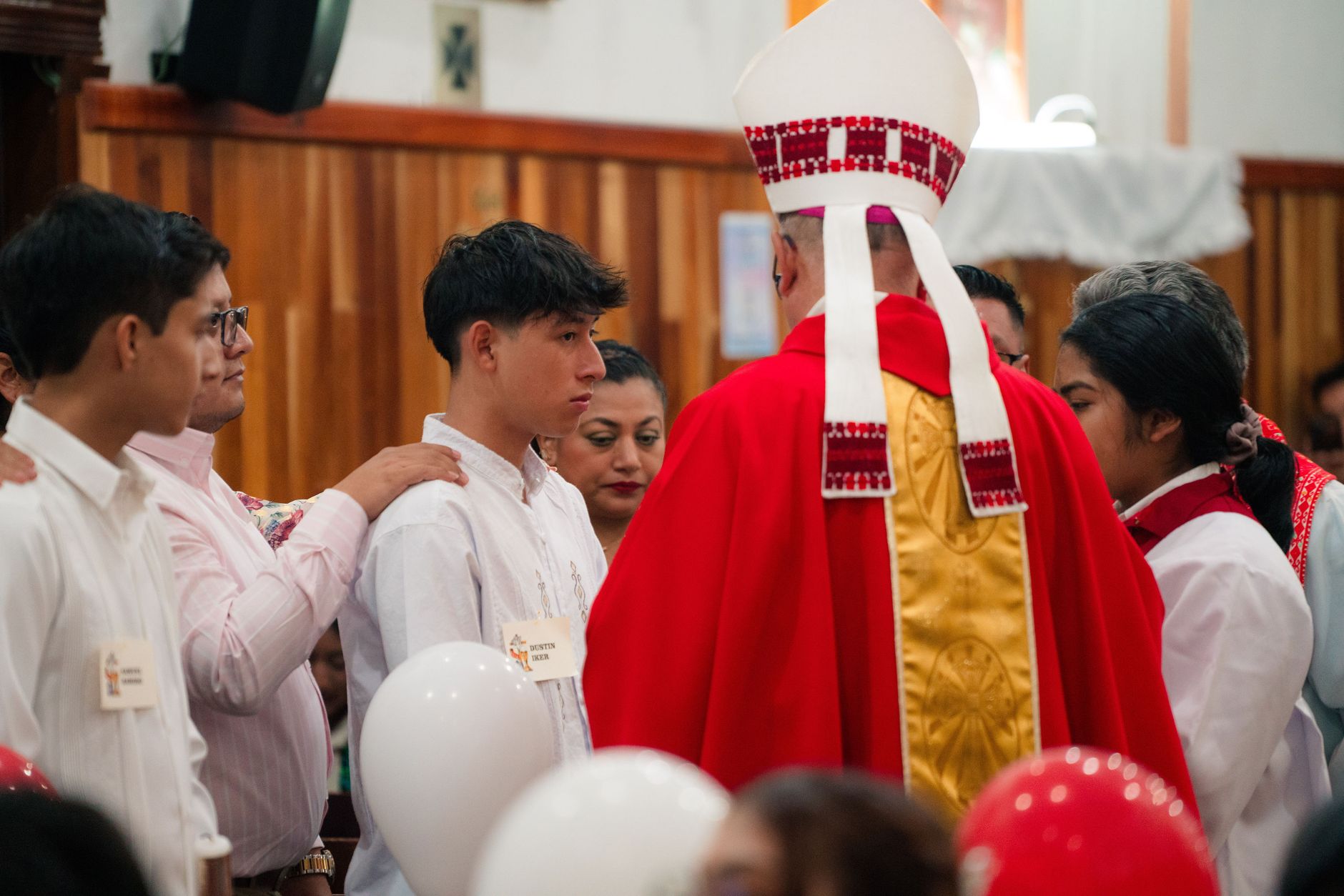
U.S. bishops issue a “special message” on immigration during plenary assembly in Baltimore
Key Takeaways
- It has been reported that the United States Conference of Catholic Bishops (USCCB) issued a "special message" on immigration during its plenary assembly in Baltimore.
- The message allegedly emphasizes humane treatment of migrants and calls for policies that protect families, refugees, and vulnerable populations.
- The USCCB is a long‑standing advocate on migration issues and operates programs that provide legal, resettlement, and social services to immigrants.
- For people navigating the immigration system, the statement is principally symbolic and advocacy‑oriented; it does not change USCIS (U.S. Citizenship and Immigration Services) rules, processing times, or filing fees, but it may influence public debate and policymaking.
What was announced (reported)
It has been reported that bishops gathered at the USCCB plenary assembly in Baltimore issued a "special message" focused on immigration. Details released by the conference allegedly urge compassion and practical support for migrants, though exact language and specific policy prescriptions have been described in summary form by conference communications. The USCCB frequently weighs in on asylum, refugee resettlement, family reunification, Temporary Protected Status (TPS), and other humanitarian issues, and this message fits that long‑running advocacy pattern.
Context: who the USCCB is and why this matters
The USCCB (United States Conference of Catholic Bishops) is a national body that coordinates Catholic bishops’ public policy positions and runs migration programs such as Migration and Refugee Services. While a church statement has moral and political weight—particularly among congregations, immigrant service providers, and sympathetic lawmakers—it does not itself alter laws or administrative immigration procedures administered by agencies like USCIS, Immigration and Customs Enforcement (ICE), or the Department of Homeland Security (DHS). For clarity: USCIS handles visas, naturalization, and benefits; ICE enforces removal proceedings; DHS sets many immigration enforcement priorities.
What this means for immigrants now
For migrants and families, a bishops’ message can translate into increased local support—more parish‑based legal clinics, shelters, and advocacy for legislative relief—but will not change individual case outcomes or reduce official backlogs overnight. If you are applying for asylum, seeking renewal of DACA (Deferred Action for Childhood Arrivals), TPS, or pursuing family‑based petitions, continue to follow USCIS guidance, monitor processing times, and consult an accredited immigration lawyer or recognized nonprofit for case help. The statement may, however, shape public pressure on Congress and the administration to pursue legislative fixes that would have concrete legal effects in the future.
Source: Original Article