
Migrant Women Allegedly Face Persistent Abuse in ICE Detention Centers, El País Reports
Key Takeaways
- It has been reported that El País collected testimony accusing ICE (U.S. Immigration and Customs Enforcement) detention centers of regular abuse against detained migrant women.
- Allegations include physical and sexual mistreatment, denial of adequate medical care, and conditions that exacerbate trauma for asylum seekers and other detainees.
- Advocacy groups have reportedly filed complaints and are calling for inspections, greater oversight, and alternatives to immigration detention for vulnerable people.
- For individuals currently in the U.S. immigration system: seek legal representation, document any abuse, and report concerns to advocates or oversight authorities where possible.
Allegations of abuse in detention
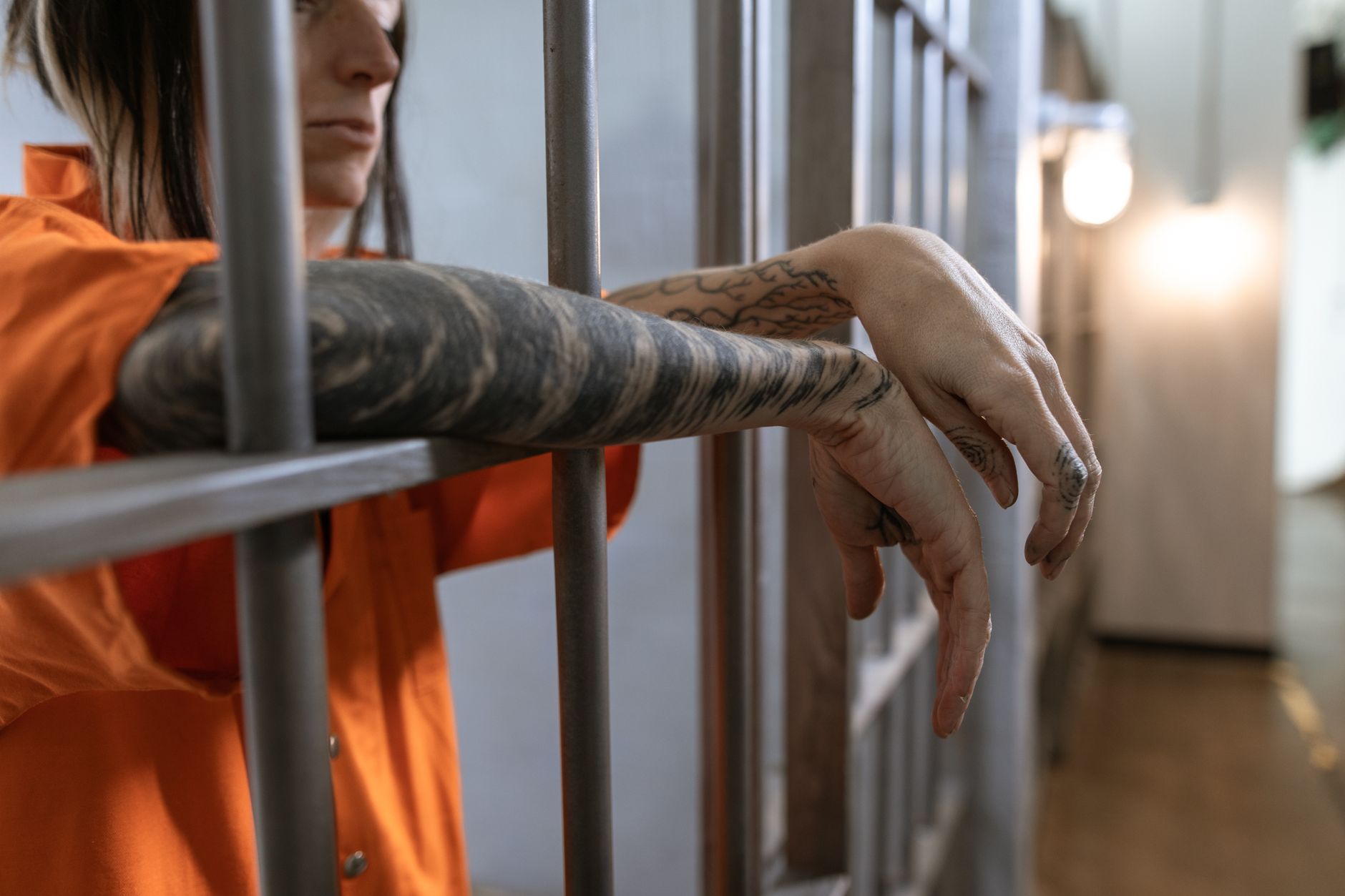
It has been reported that multiple women detained in ICE facilities described the centers as "a hell," alleging repeated verbal, physical and sexual abuses and chronic neglect of medical needs. These are serious, personal accounts collected by El País and shared with advocacy groups and journalists. "Allegedly" is used for specific claims that have not been independently adjudicated in court; nevertheless, the reports echo a pattern documented over years by NGOs and some oversight inquiries.
The detention system and oversight context
ICE (U.S. Immigration and Customs Enforcement) operates a network of detention facilities that include government-run centers and privately contracted jails. Detained migrants often include asylum seekers, people held on immigration violations, and others awaiting removal proceedings. It has been reported that advocacy organizations have filed complaints with Department of Homeland Security oversight offices and demanded inspections; such complaints can trigger reviews by the DHS Office for Civil Rights and Civil Liberties or by the DHS Office of Inspector General, though those processes can be slow and outcomes vary.
Human impact and what it means now
For people navigating U.S. immigration processes, the allegations highlight acute risks when detained: physical and psychological harm, difficulty accessing evidence or witnesses for asylum claims, and fear of reporting abuses because detainees often worry it will affect their immigration case. Legally, immigration detainees do not have a right to government-appointed counsel in most proceedings, which makes outside legal and NGO support critical. Advocates say the situation strengthens calls for alternatives to detention for vulnerable people, faster oversight, and more transparency about conditions and medical care.
Source: Original Article