
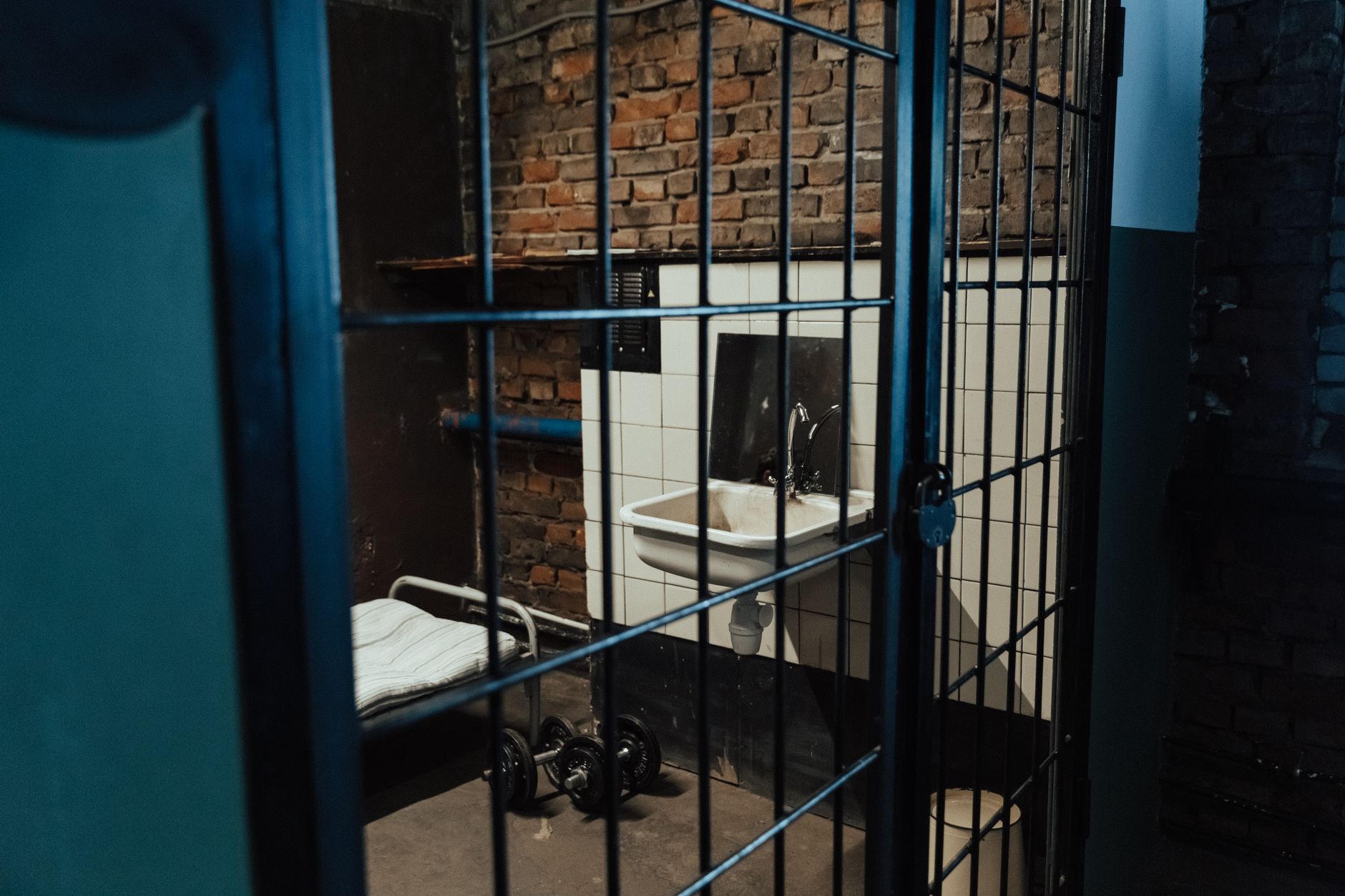
Guards at immigration center allegedly bet on who would be the next to commit suicide at ICE camp
Key Takeaways
- It has been reported that guards at an immigration detention facility allegedly placed bets on which detainee would next attempt suicide.
- The claims, if true, raise serious questions about detention conditions, suicide-prevention protocols, and staff conduct at ICE (U.S. Immigration and Customs Enforcement) facilities.
- Detainees have legally protected rights to health care and humane treatment; oversight bodies such as DHS OIG (Department of Homeland Security Office of Inspector General) and ICE’s internal offices can investigate.
- For people in custody and their families: document injuries and incidents, seek legal counsel, file complaints with DHS OIG and ICE CRCL (Office for Civil Rights and Civil Liberties), and contact consulates or advocacy groups for assistance.
What was reported
It has been reported that staff at an immigration detention center allegedly engaged in a macabre wager, predicting which detainee would be the next to attempt or die by suicide while held at an ICE camp. The allegation describes behavior that, if substantiated, would violate basic standards of care and professional conduct expected of correctional and immigration detention personnel. Details of the report, including the facility involved and the timeline, have not been independently verified in public records as of this writing.
Legal and policy context
ICE (U.S. Immigration and Customs Enforcement) operates detention facilities directly and through contracts with private companies and local jails. Detention policies include suicide-prevention and medical-care requirements—most notably the Performance-Based National Detention Standards (PBNDS) and related guidance—which require screening, monitoring, and timely mental-health care for people in custody. Oversight is exercised by DHS OIG, ICE’s Enforcement and Removal Operations (ERO) leadership, and civil-rights offices; past OIG and inspector-general reports have repeatedly found lapses in medical care, mental-health staffing, and record-keeping that contributed to preventable deaths.
Human impact and next steps
For people detained in ICE custody and their families, allegations like these underscore real risks: inadequate mental-health care, isolation, and fear that reporting problems will bring retaliation. Those affected should prioritize documentation and advocacy—record dates and names, request medical evaluations in writing, notify legal counsel, and file formal complaints with DHS OIG and ICE CRCL. Lawyers and advocates can also request records through FOIA (Freedom of Information Act) requests and push for external investigations. Community groups and some members of Congress frequently call for independent probes when major misconduct is alleged.
What this means now: even unproven allegations can prompt agency reviews, congressional inquiries, or litigation that may change conditions inside specific facilities. For anyone navigating immigration detention, the practical steps are clear—get legal help, document everything, and use available oversight channels to seek accountability and safer conditions.
Source: Original Article