
Donald Trump to send immigration enforcement officers to US airports - Financial Times
Key Takeaways
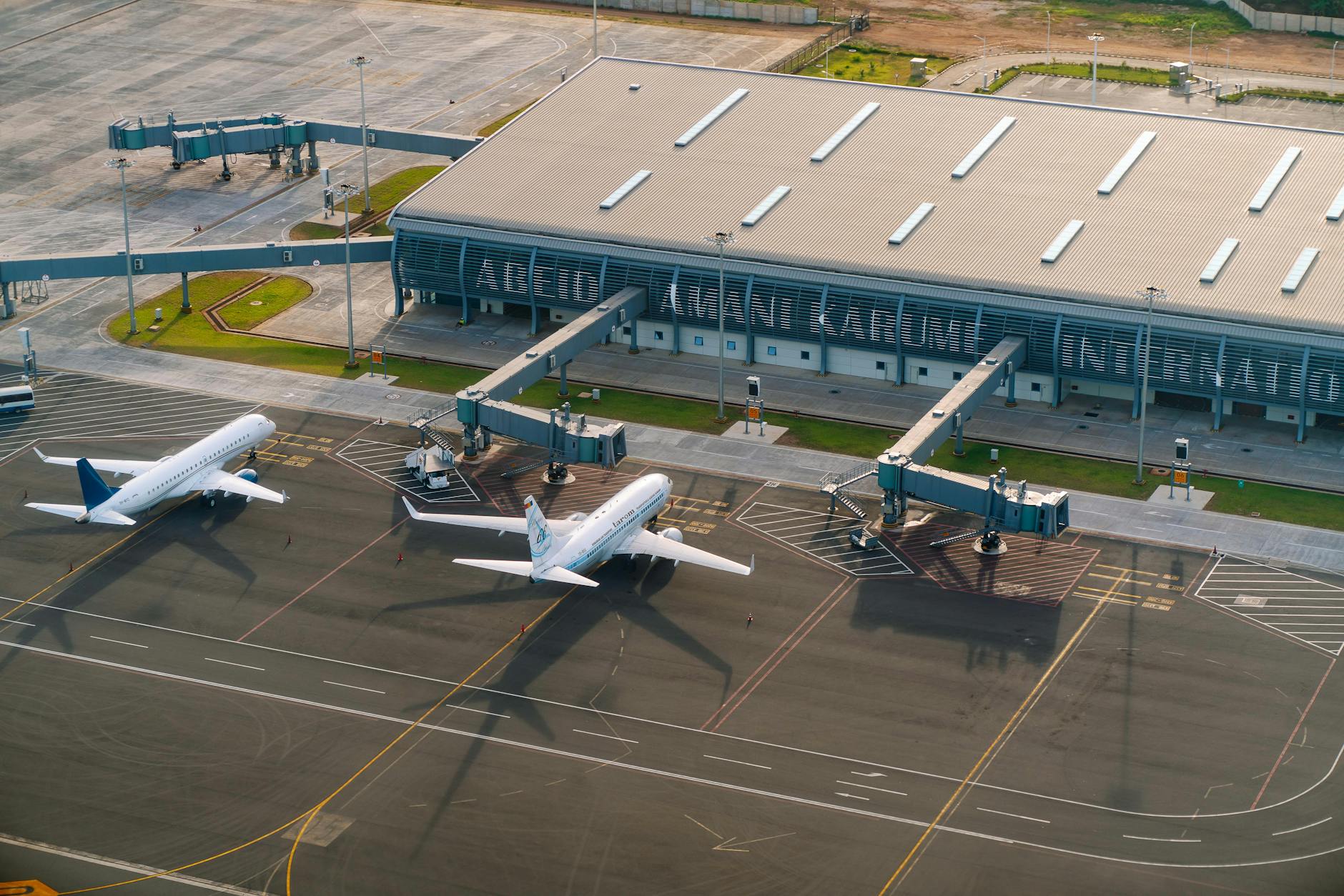
- It has been reported that the administration plans to deploy immigration enforcement officers to U.S. airports to step up checks on arriving passengers.
- The move would bring more ICE (Immigration and Customs Enforcement) or DHS (Department of Homeland Security) personnel into airport terminals, increasing secondary screenings and potential arrests for immigration violations.
- Travelers, including visa holders and asylum seekers, may face longer waits, additional questioning, and a higher chance of enforcement actions; ports-of-entry legal rules differ from interior rights.
- Civil liberties groups and some legal experts say the plan could raise constitutional and procedural concerns; legal challenges are possible.
What was reported
It has been reported that the administration intends to station immigration enforcement officers at U.S. airports to identify and detain non-citizens who are out of status or otherwise in violation of immigration law. The Financial Times report frames the plan as an effort to curb what officials describe as an increase in arrivals who overstay visas or otherwise bypass existing immigration controls. Details such as the number of officers, specific airports targeted, and the operational timeline were not included in those reports.
What this means legally and practically
Ports of entry—airports, seaports and land crossings—are already staffed by Customs and Border Protection (CBP), the DHS component responsible for inspecting arriving travelers and determining admissibility. ICE, which handles interior enforcement, has broader authority to detain and remove non-citizens. Placing additional ICE or DHS enforcement personnel in terminals could increase “secondary” inspections (more in-depth questioning and document checks) and the chances of arrests when officers identify overstays, outstanding deportation orders, or other violations. For travelers, that means longer delays at arrival, and for visa holders (tourists, students, temporary workers) a greater risk that a simple administrative issue could trigger enforcement action.
Human impact and legal context
Real people may be affected immediately: international students, temporary workers (H-1B, L visas), tourists, and people returning from short trips could face extra scrutiny. Asylum seekers who present themselves at airports and claim fear of return may encounter a more aggressive enforcement posture; they retain the right to seek protection, but procedures at ports of entry can be complex and fast-moving. Civil liberties organizations have warned that expanded airport enforcement can chill travel and subject lawful permanent residents and long-term visitors to disruptive detentions. Legal challenges could center on due process, Fourth Amendment protections against unreasonable searches and seizures, and longstanding distinctions between border inspections and interior enforcement.
Source: Original Article