
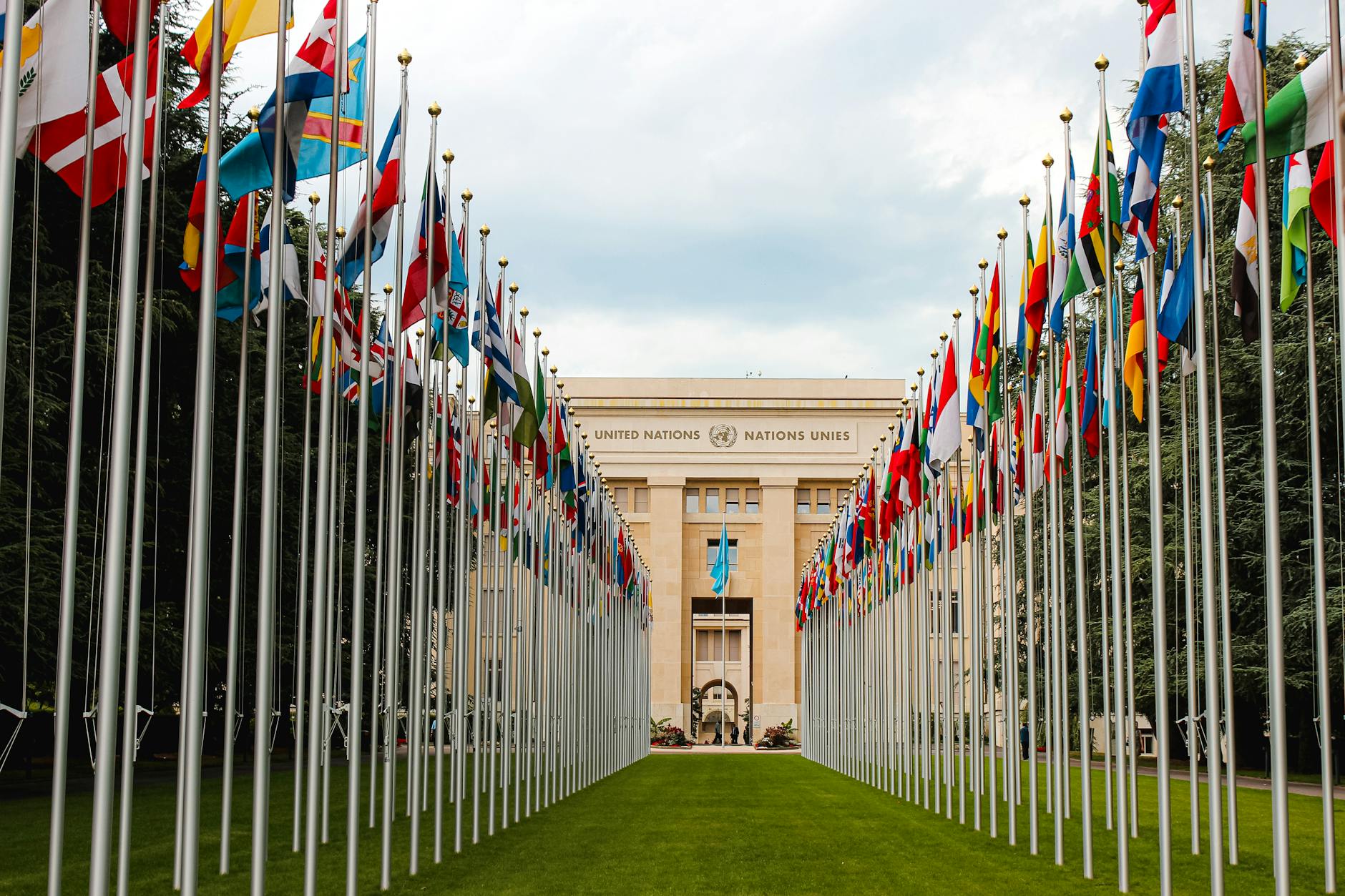
United Nations Observes International Migrants Day on 18 December
Key Takeaways
- The United Nations designates 18 December each year as International Migrants Day to raise awareness of migrants' rights and contributions.
- The day is led by UN agencies, including the International Organization for Migration (IOM), to highlight policy, protection, and assistance needs for migrants worldwide.
- International Migrants Day is symbolic and advocacy-focused — it does not change visa processing rules, fees, or backlogs governed by national authorities (e.g., USCIS in the U.S., Home Office in the U.K.).
- For people navigating immigration processes, the day is a reminder to check legal status, seek trusted legal advice, and use local services promoted during events.
What the day is and why it matters
The United Nations marks 18 December as International Migrants Day to focus global attention on migration-related issues: protection of migrants’ rights, safe and orderly migration, and the economic and social contributions migrants make. The observance is coordinated by UN bodies and partners such as the International Organization for Migration (IOM). IOM is the UN migration agency; the acronym stands for International Organization for Migration. The day typically features reports, campaigns, and events aimed at policymakers, civil-society groups, and the public.
Legal and policy context
International Migrants Day is an awareness and advocacy occasion. It does not by itself change immigration law or operational practices. Visa rules, processing times, adjudication standards, and fees are set and implemented by national authorities — for example, USCIS (U.S. Citizenship and Immigration Services) in the United States or equivalent immigration ministries elsewhere. Important legal distinctions often emphasized around the day include the difference between migrants (people who move for many reasons, including work and family) and refugees/asylum seekers (those fleeing persecution and protected under the 1951 Refugee Convention and related asylum laws). Events on the day frequently call for better access to regularization, safer migration routes, family reunification, and enforcement of labor and human-rights protections.
What this means for migrants, applicants and lawyers
For people going through immigration processes, International Migrants Day is a prompt to review one’s status and paperwork, seek accredited legal help if needed, and consult local NGOs or consulates that may offer clinics or informational sessions. Advocacy campaigns launched around the day can pressure governments to consider changes — such as expanded legal pathways or regularization programs — but any policy shifts require legislative or administrative action and often take months to implement. Practically, expect no immediate change in visa backlogs or fees; instead, use the day to access resources, raise awareness about individual cases, and connect with community supports.
Source: Original Article