
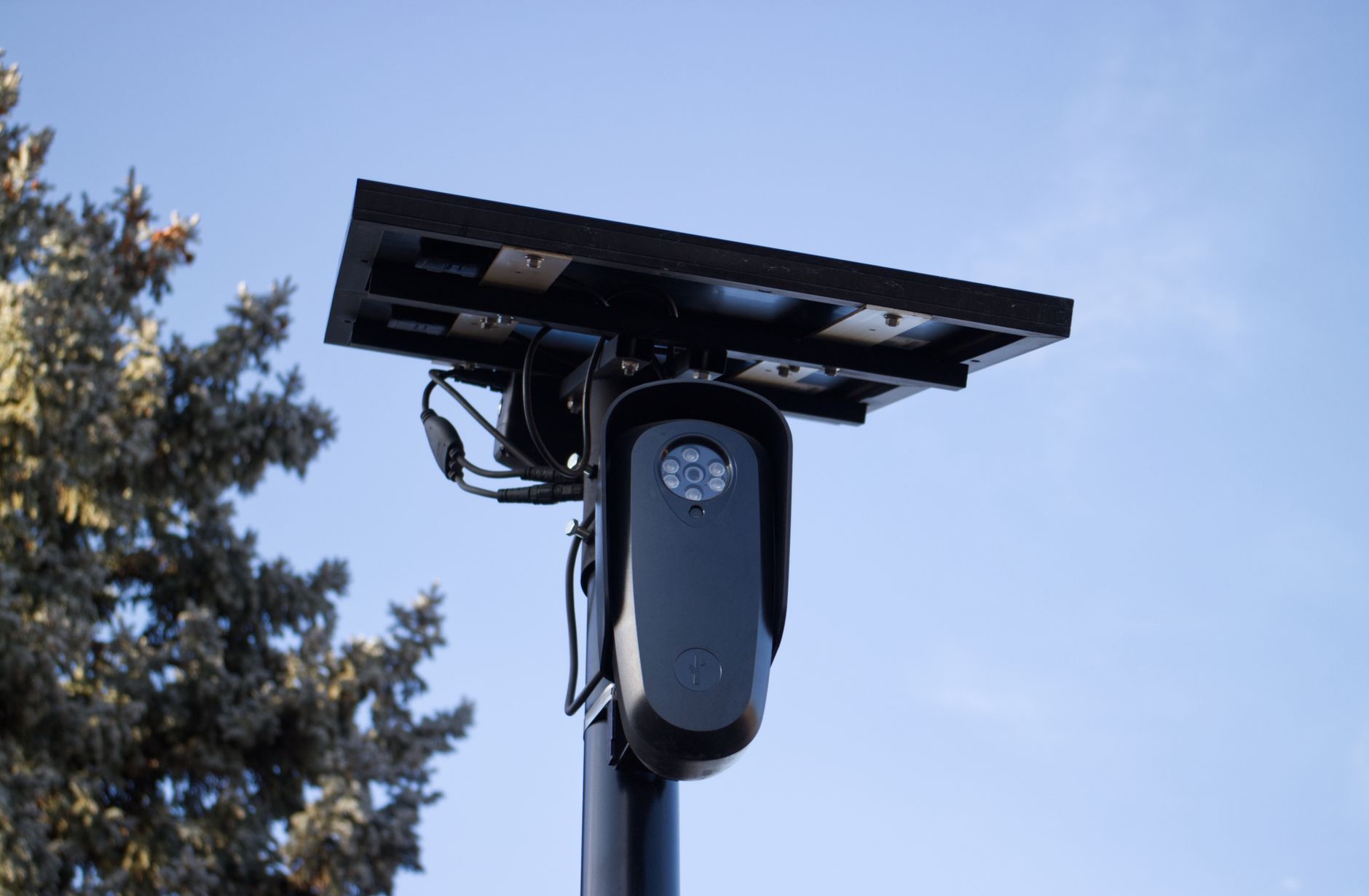
How AI licence plate readers became a flashpoint in US immigration battles
Key Takeaways
- It has been reported that automated licence-plate readers (ALPRs), now combined with AI analytics, are being used more aggressively in efforts to locate and manage migrants.
- The technology reads and stores plate data, can be cross‑checked against travel “hotlists,” and is often run by contractors or local police sharing data with federal immigration agencies.
- Privacy advocates warn of mass surveillance and erroneous matches; lawyers say this can chill movement by asylum seekers and increase risk of detention or family separation.
- Legal and policy responses are fragmented: some states and cities restrict ALPRs, while others expand deployments as part of border or interior enforcement.
What happened
It has been reported that licence‑plate readers — cameras that automatically capture plate numbers and vehicle images — are increasingly paired with machine‑learning tools to triage and prioritise leads for immigration enforcement. Allegedly, these systems have been used to identify vehicles believed to be carrying migrants, to map travel patterns, and to produce lists shared with state and federal officials. The Financial Times article highlights how a relatively mature policing tool has become politicised as governors, local police forces and federal agencies seek faster, cheaper ways to locate people crossing or moving away from the US southern border.
How the technology works and who runs it
ALPRs photograph licence plates and log time, location and sometimes vehicle photos. AI or algorithmic layers are then used to spot patterns, match plates to “hotlists,” and predict likely future movements. These systems are often operated by a mix of municipal police, private vendors and contractors; data retention and sharing arrangements vary widely. It has been reported that data brokers and tech firms play a central role in compiling historical movements that can be queried by enforcement agencies, making it possible to reconstruct an individual’s travel history without a warrant in many circumstances.
Legal, policy and human impact
Civil‑liberties groups say the combination of persistent plate tracking and predictive algorithms creates mass surveillance with serious Fourth Amendment and due‑process implications. Lawyers for migrants and asylum seekers warn that inaccurate or out‑of‑context plate hits can lead to stops, detentions or triggers for immigration investigations—raising the risk of missed court dates, family separation and deportation. Policy responses remain uneven: some jurisdictions have limited ALPR retention or sharing; others have explicitly expanded the tools as part of immigration operations. For people navigating the immigration system, the upshot is clear — routine travel by car or bus can now leave a searchable digital trail that may have immigration consequences.
Source: Original Article