
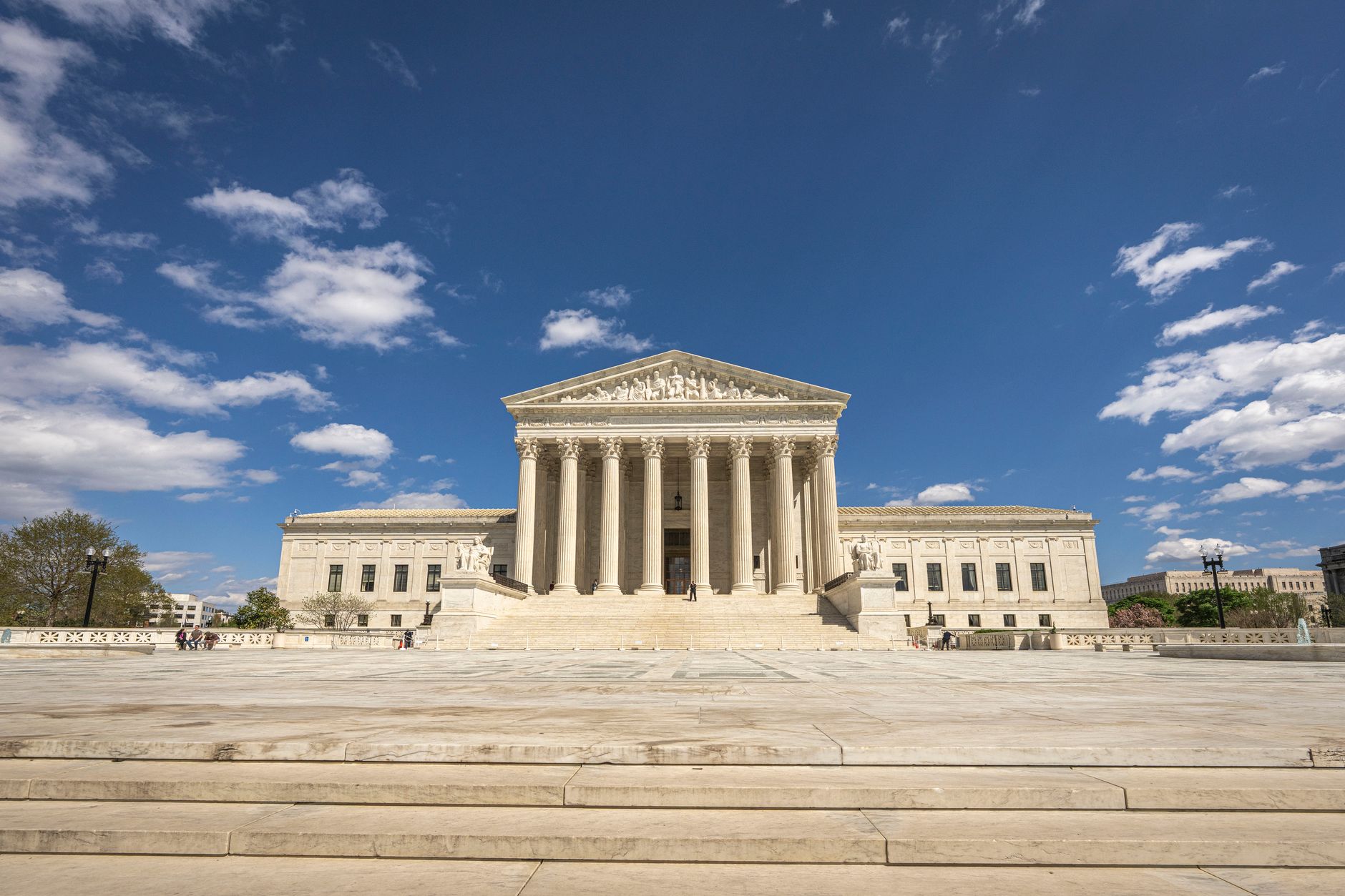
Trump Gets Legal Green Light from Supreme Court
Key Takeaways
- It has been reported that the U.S. Supreme Court cleared a legal obstacle for former President Donald Trump, allowing a contested legal path to proceed.
- The immediate ruling does not automatically change immigration laws, but it could shape the next administration’s priorities and the regulatory agenda.
- Changes to immigration enforcement, rulemaking, or benefit processing require new executive action or regulations by agencies such as DHS and USCIS (U.S. Citizenship and Immigration Services).
- For immigrants and applicants, the practical effect right now is uncertainty; counsel and documentation remain essential while watching for policy shifts.
What the court action reportedly did
It has been reported that the Supreme Court issued a decision that removes a major legal barrier involving former President Trump. Details of the underlying cases vary, and many of the claims around the decision remain subject to further litigation and commentary. Allegedly, the ruling clears the way for legal or political steps that had been blocked by lower courts; however, the precise legal effects will depend on the orders the Court issued and subsequent proceedings.
Why immigration watchers care
Even though a Supreme Court ruling about a political figure does not itself rewrite immigration statutes, the practical stakes are high. A change that affects who can hold or run for office can influence which administration sets immigration priorities. That matters because immigration policy is often implemented through executive actions and agency rules — for example, enforcement priorities by ICE (U.S. Immigration and Customs Enforcement), refugee admissions, asylum procedures, H‑1B and employment-based visa interpretations, and public-charge guidance. Under prior Trump administration policies, asylum eligibility was narrowed, travel bans were imposed, and enforcement was more aggressive. If those priorities return, processing times, backlog management, fee structures, and discretionary approvals could shift.
What this means for people in the system now
For visa applicants, green-card seekers, DACA recipients, asylum seekers, and sponsors, the immediate recommendation is practical caution: keep immigration filings current, maintain contact with attorneys, and prepare for potential regulatory change that would be implemented via DHS and USCIS. Any new policy would typically take the form of executive orders, rulemaking (which can include public notice-and-comment periods), or agency guidance — not an instantaneous change from a single court ruling. Litigation over new rules is also likely, which can produce further uncertainty. In short: the decision has political and downstream policy significance, but it does not instantly alter individual immigration statuses.
Source: Original Article