
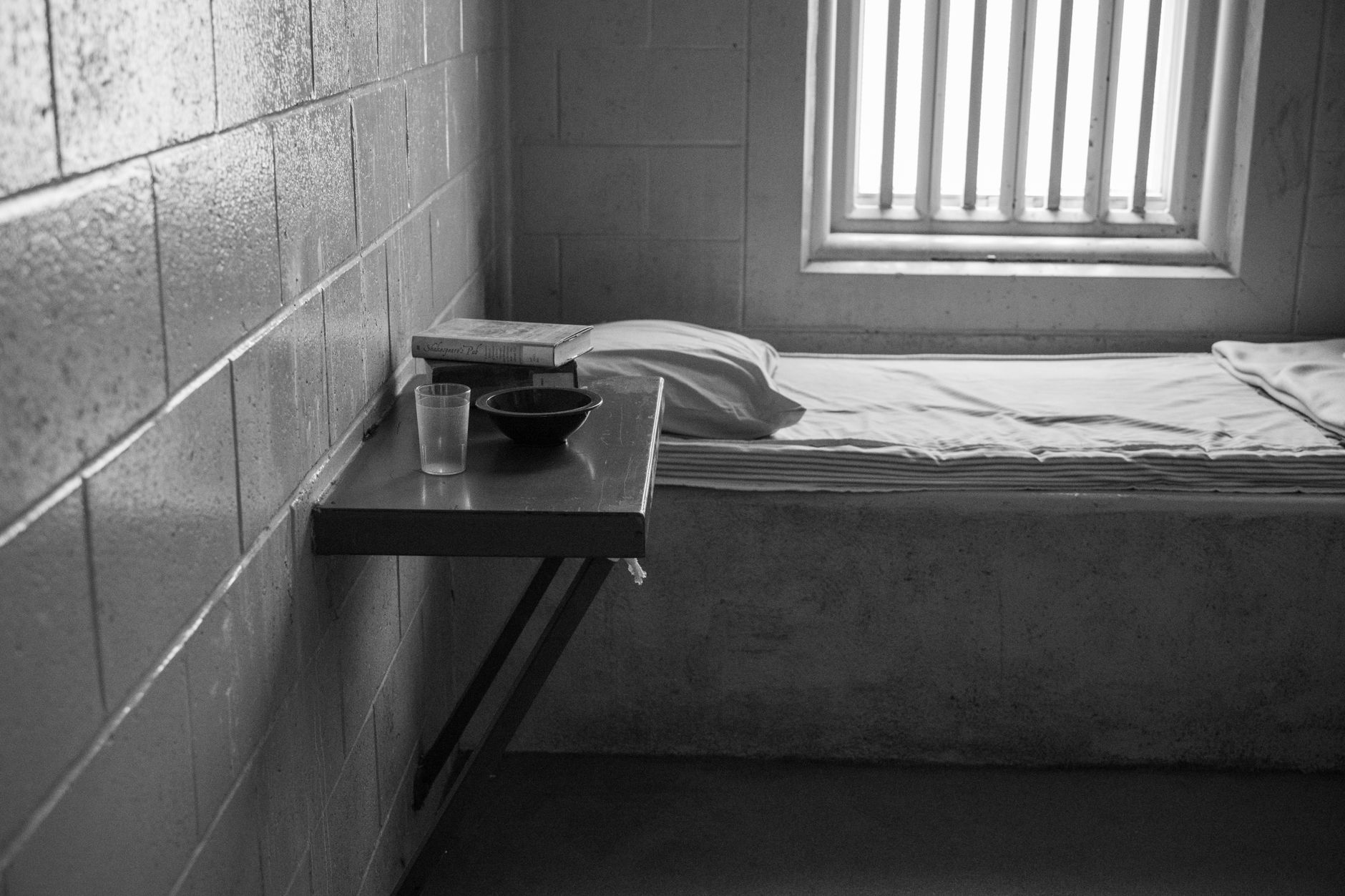
ICE has detained this high schooler for 10 months. Here’s what he and his classmates want you to know
Key Takeaways
- It has been reported that Dylan Lopez Contreras, a student at Ellis Prep Academy in New York, was taken into ICE custody in May and has been detained for about 10 months.
- Classmates say his detention has disrupted college applications, school projects and ordinary teenage life; they invited The Guardian to share how the community is coping.
- ICE (U.S. Immigration and Customs Enforcement) detentions can be challenged through bond hearings or immigration relief petitions, but access to counsel and timely hearings is uneven.
- Advocates call for community-based alternatives to detention for students and more transparent use of prosecutorial discretion in cases involving young people.
What happened
It has been reported that Dylan Lopez Contreras was taken by ICE in May and remains in custody roughly 10 months later. The Guardian invited him and five classmates from Ellis Prep Academy to describe their daily lives and dreams — essay deadlines, college applications, family responsibilities and dance rehearsals — which have been overshadowed by his disappearance from school and the anxiety that followed. Classmates described the practical and emotional toll of trying to plan for college while a peer is detained.
Legal context and options
ICE, the federal agency that enforces immigration laws, detains people for a variety of reasons; detention can lead to removal proceedings in immigration court. For noncitizen youth, legal pathways vary by individual circumstances and may include bond hearings, applications for asylum, Special Immigrant Juvenile Status (SIJS), Temporary Protected Status (TPS) or DACA (Deferred Action for Childhood Arrivals) where eligible. Access to counsel is not guaranteed in immigration court, and advocates say delays and lack of transparency about detention decisions make it harder for families and schools to support students.
Human impact and response
The case underscores how immigration enforcement reaches into classrooms and futures. Classmates and school staff describe disrupted coursework, trauma and an urgent need for community support and legal resources; some are pushing for ICE to adopt alternatives to detention for students, such as supervised release. For anyone navigating the system now: secure an immigration attorney or accredited representative, request bond hearings if appropriate, and reach out to school counselors and local immigrant-rights groups who can help document educational ties and advocate for release.
Source: Original Article