
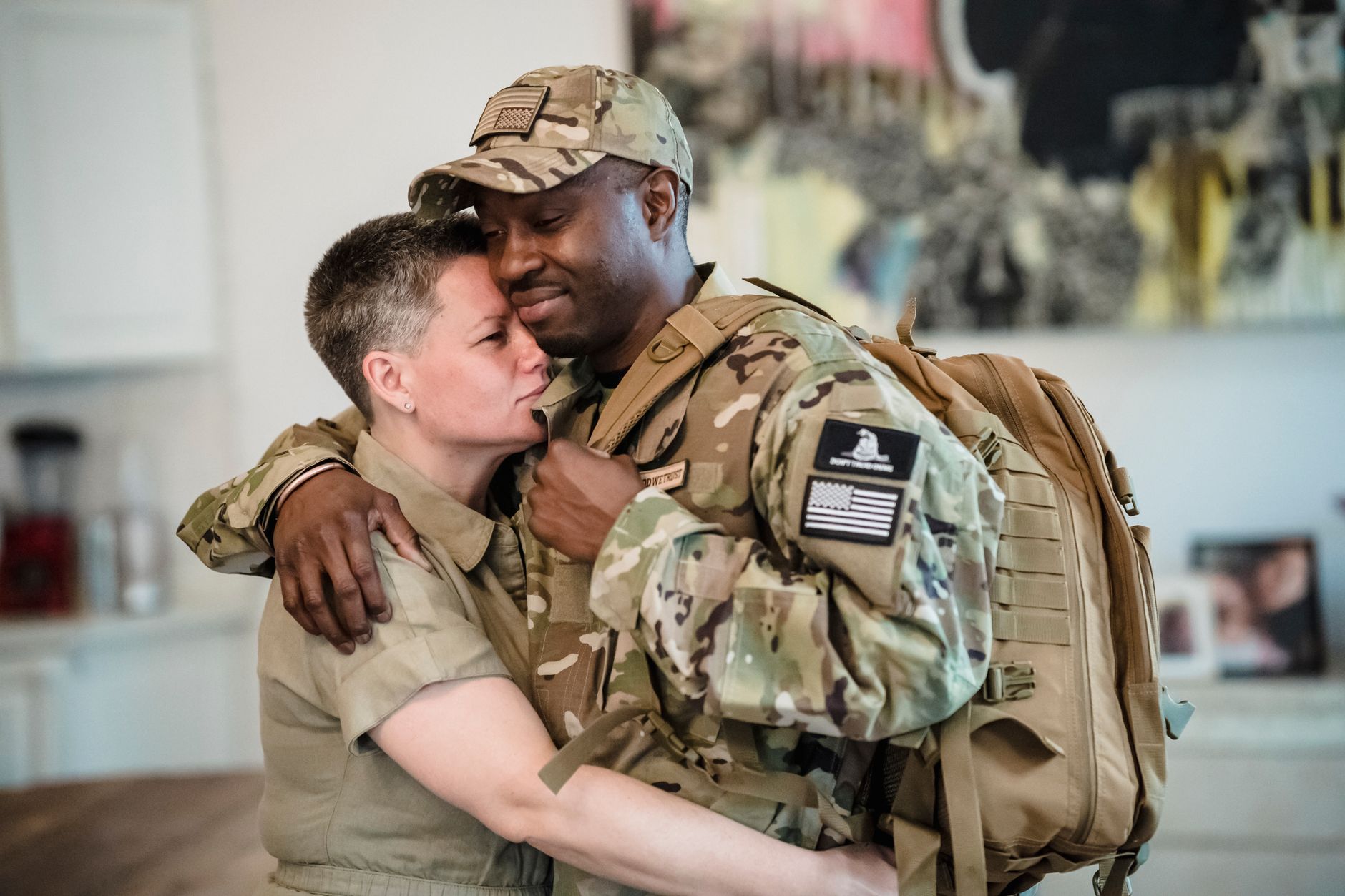
US soldier’s wife released after arrest by ICE agents at military base
Key Takeaways
- Annie Ramos, a Honduran immigrant who arrived in the US as a toddler, was detained by ICE (U.S. Immigration and Customs Enforcement) at her husband’s Louisiana military base and released from federal custody days later.
- It has been reported that Ramos has a final order of removal from 2005 after her family missed a hearing; she also applied for protection under DACA (Deferred Action for Childhood Arrivals) in 2020 but the application was not processed.
- Marriage to a U.S. citizen can create a pathway to lawful permanent residency, but a prior removal order and unresolved immigration proceedings can require reopening the case or seeking waivers.
- The detention has renewed debate over immigration enforcement near military facilities and highlighted the practical consequences for military families and people who grew up in the U.S. without legal status.
What happened
Annie Ramos, 22, was detained by ICE agents on 2 April at the Louisiana military base where her husband, Staff Sergeant Matthew Blank, is stationed; she was released on Tuesday, according to reports. The couple had married days earlier and traveled to the base intending to enroll Ramos in military spouse benefits. It has been reported that Ramos’s family was issued a removal order in 2005 after missing an immigration hearing. The Department of Homeland Security — which oversees ICE — told news outlets that Ramos’s case involved a final order of removal and that “this administration is not going to ignore the rule of law,” it has been reported.
Legal context and implications
DACA (Deferred Action for Childhood Arrivals) offers temporary protection from removal and work authorization to eligible people who arrived as children, but it does not confer lawful permanent residence. Ramos’s DACA application was reportedly not processed, leaving her without that form of relief. Separately, marriage to a U.S. citizen creates a common avenue to apply for a green card (adjustment of status), but a final removal order complicates that process: typically someone with a removal order must ask immigration authorities or an immigration judge to reopen the removal proceedings, and may need waivers or permission to apply from within the U.S. before a green card application can move forward. Those steps can take months or years and often require legal counsel.
Human impact and policy questions
The arrest at a military installation — a place tied to national service and family life — has drawn attention to the human cost of enforcement decisions. For Ramos and her husband, the timing is acute: he is preparing for deployment, and the couple says they had been working with an attorney on Ramos’s immigration pathway. For others in similar situations, the case underscores how administrative backlogs (unprocessed DACA applications, court delays) and prior procedural missteps (missed hearings) can leave people vulnerable to detention even after years living in the U.S. It has been reported that community members rallied around the couple; critics argue such arrests at bases and other sensitive contexts can undermine military readiness and family stability.
Source: Original Article