
House passes GOP stopgap to fund DHS after rejecting bipartisan Senate deal
Key Takeaways
- The House passed its own eight-week stopgap to fully fund the Department of Homeland Security (DHS) by 213–203, rejecting a bipartisan Senate bill that excluded funding for ICE and the Border Patrol.
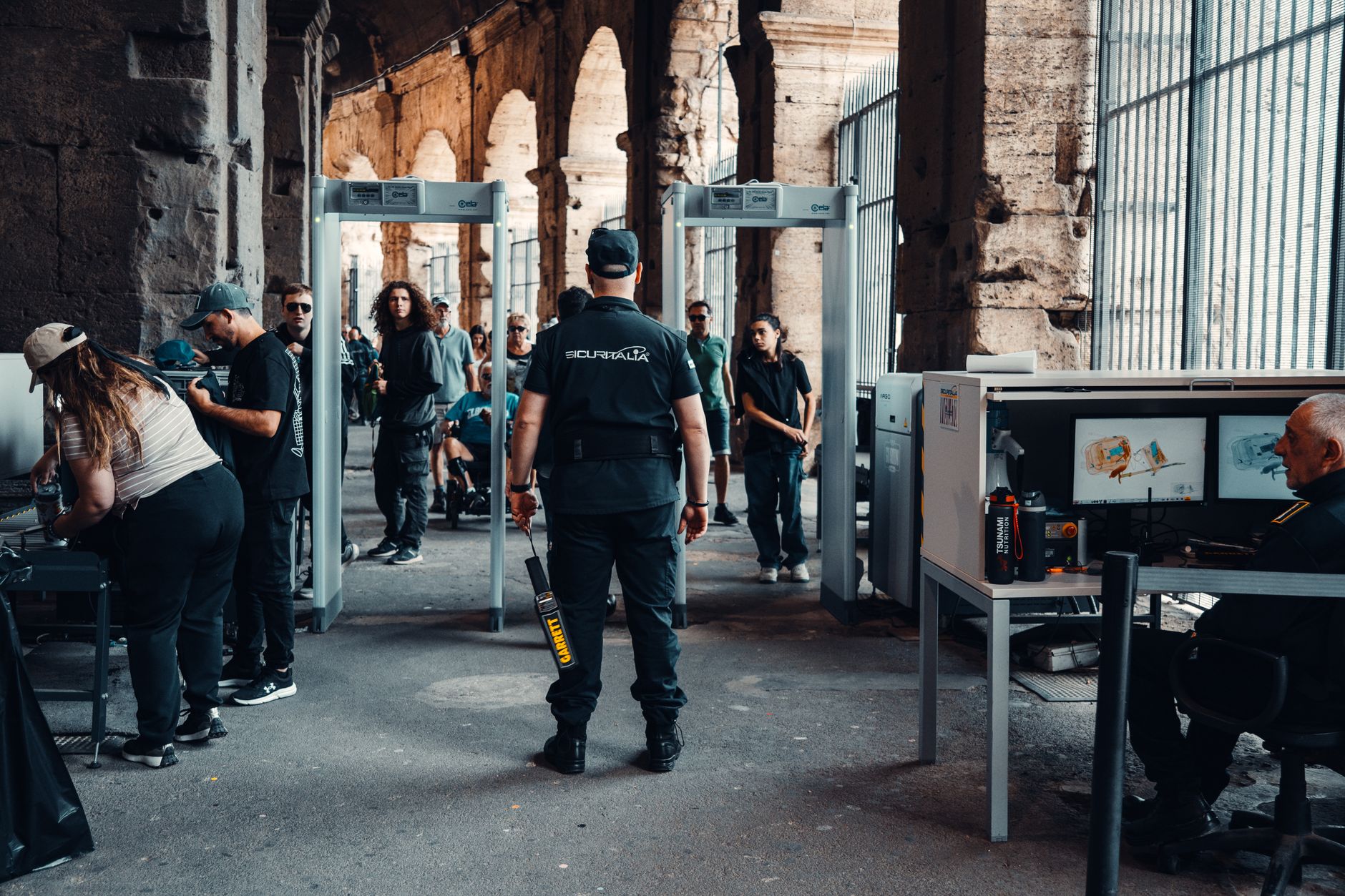
- The dispute has already disrupted travel: thousands of TSA officers have been working without pay and long security lines have snarled airports.
- The White House says the president ordered pay for TSA staff; it has been reported that paychecks could start as early as March 30.
- Senate leaders say the House measure is unlikely to pass the upper chamber, so the funding standoff and operational uncertainty may continue.
- For immigrants and visa applicants: some DHS components (like ICE and CBP) have temporary extra funding from 2025, while USCIS (U.S. Citizenship and Immigration Services) is fee-funded and generally continues processing routine benefit applications.
House vote and political fight
Late Friday the Republican-controlled House rejected a Senate-passed, bipartisan measure that would have funded most DHS components but specifically withheld money for Immigration and Customs Enforcement (ICE) and Border Patrol operations. Instead, the House approved its own stopgap by a 213–203 margin that would keep DHS fully funded for eight weeks and restore pay for the Transportation Security Administration (TSA). Speaker Mike Johnson called the Senate bill a “joke” for leaving funding gaps on immigration enforcement; Senate Democratic leader Chuck Schumer called the House plan “dead on arrival” in the Senate. Both chambers must agree on the same bill before it can reach the president.
Immediate effects on travel and enforcement
The lapse in full appropriations has already produced concrete disruptions. TSA officers—who screen passengers, baggage and cargo—have reportedly been working without pay since mid-February, producing long security lines at major airports and straining travel plans. It has been reported that the White House issued a memorandum directing DHS to find funds to pay TSA salaries and that paychecks could arrive as soon as March 30. ICE (Immigration and Customs Enforcement) and U.S. Customs and Border Protection (CBP, which includes the Border Patrol) have continued operations in part because Congress provided extra funding for those agencies in 2025; however, the political fight centers on whether future appropriations will include or reform those enforcement budgets.
What this means for immigrants and visa applicants
USCIS (U.S. Citizenship and Immigration Services), which adjudicates visas, green cards and naturalization applications, operates primarily on fee revenue rather than annual appropriations and has generally continued processing during past funding standoffs — but ancillary services and field operations overseen by DHS components can still be affected. Travelers should expect possible delays at airports and allow extra time for flights; those with urgent immigration filings or hearings should stay in close contact with counsel, monitor USCIS case status online, and check court or agency notices for changes. For people in removal proceedings or facing enforcement actions, ICE operations have so far continued, but the broader budget fight could shape policy and resources in the coming months.
Source: Original Article