
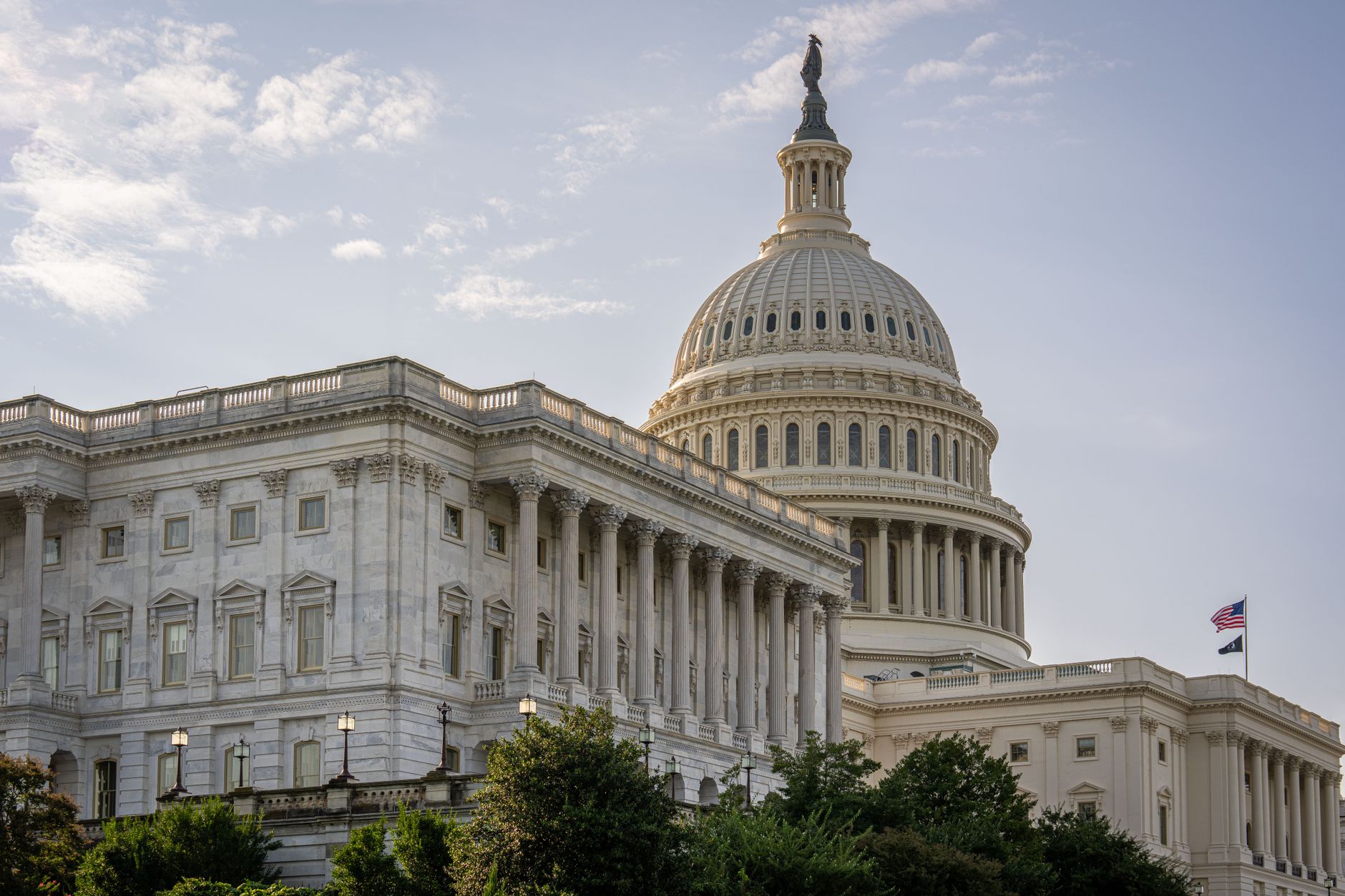
Senate to consider Markwayne Mullin’s nomination amid DHS shutdown
Key Takeaways
- A Senate committee will consider President Trump’s nominee, Sen. Markwayne Mullin, for Secretary of Homeland Security.
- It has been reported that Democrats have forced a partial DHS shutdown until they win "guardrails" on immigration enforcement.
- It has been reported that the nomination followed the firing of Kristi Noem, allegedly tied to backlash over anti‑immigration tactics.
- DHS leadership controls ICE, CBP and USCIS functions; any change could shift enforcement priorities, affecting asylum seekers, people in removal proceedings, and visa applicants.
- People navigating immigration processes should expect continued uncertainty and watch for operational notices from DHS agencies.
Senate showdown over the nomination
A Senate committee is scheduled to consider the nomination of Republican Sen. Markwayne Mullin to lead the Department of Homeland Security (DHS). It has been reported that Democrats have used procedural measures to force a partial DHS shutdown while they press for legislative "guardrails" — limits or rules governing how immigration enforcement agencies carry out removals, detentions and parole decisions. It has also been reported that the nomination followed the firing of Kristi Noem, allegedly amid blowback over anti‑immigration tactics; those details remain politically charged and partly unverified.
Why DHS leadership matters
DHS (Department of Homeland Security) oversees the agencies most directly involved in immigration enforcement and benefits: ICE (Immigration and Customs Enforcement), CBP (Customs and Border Protection) and USCIS (U.S. Citizenship and Immigration Services). The secretary sets enforcement priorities and resource allocation. Changes at the top can alter who is targeted for arrest or deportation, how asylum claims are processed, and whether administrative tools such as humanitarian parole or expedited removal are expanded or curtailed. USCIS already faces long processing times and large backlogs; a shift in priorities could reallocate staff and funding and thereby affect application timelines.
What this means for migrants and applicants
For migrants, asylum seekers and noncitizens in removal proceedings the immediate consequence is uncertainty. Stricter enforcement priorities can increase arrests and deportations; guardrails sought by Democrats are intended to limit some of that discretion and protect categories such as asylum seekers or long‑term residents. For family‑based and employment‑based visa applicants, changes are more indirect but real: enforcement focus, parole policies and interagency coordination influence processing and case outcomes. Anyone with pending applications or facing removal should monitor USCIS, CBP and ICE notices closely and consult an immigration attorney about contingency steps.
Source: Original Article