
ICE made their neighbors ‘prisoners in their own homes’. So 130 Memphis residents signed up to deliver food
Key Takeaways
- Grassroots group Indivisible Memphis launched the Immigrant Pantry to deliver food, medicine and essentials to families afraid to leave home amid intensified ICE activity.
- It has been reported that deliveries rose from about eight a week to nearly 30 after a National Guard deployment, and that roughly 130 volunteers now help run the program.
- Volunteers store non-perishables in home “pantry bases,” buy fresh goods for delivery, and built an app to manage logistics as waitlists grew to an estimated 200 people.
- The effort underscores how immigration enforcement can push undocumented and mixed‑status families into isolation, creating public‑health and legal risks; community legal help is essential.
What happened in Memphis
It has been reported that months after local activists first met to plan support for Latino residents, Memphis experienced a surge of US Immigration and Customs Enforcement (ICE) activity and a National Guard deployment. ICE (U.S. Immigration and Customs Enforcement) is the federal agency responsible for enforcing immigration laws; National Guard deployments can be used to support law‑enforcement operations. The Guardian reports that fear of raids left some people too afraid to leave home — parents kept children home from school and families avoided grocery stores and clinics — creating immediate needs for food, medicine and hygiene supplies.
The Immigrant Pantry
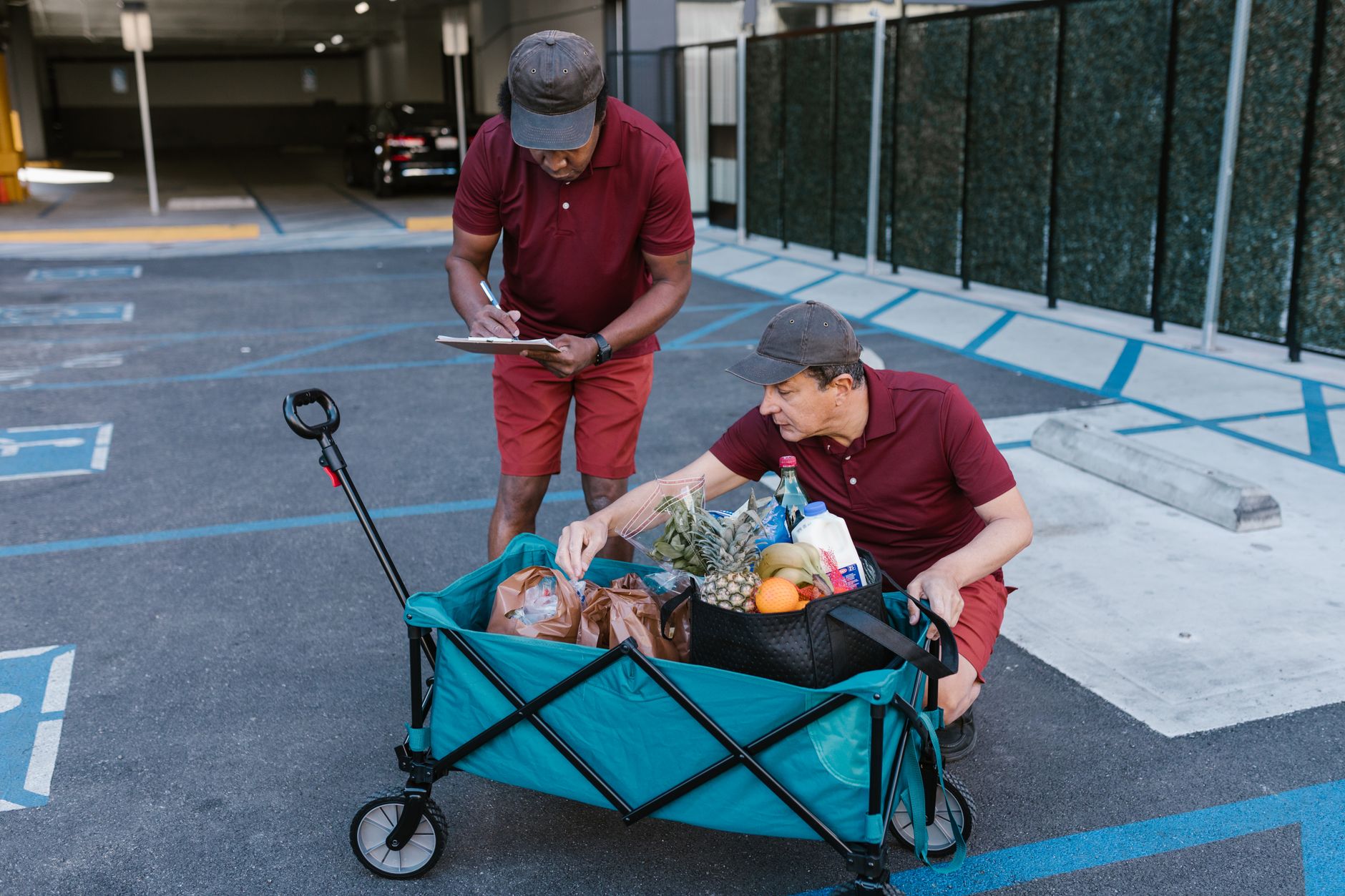
Local volunteers formed the Immigrant Pantry through Indivisible Memphis to proactively reach people who could not safely go out. It has been reported that some volunteers opened their homes as pantry bases to store non‑perishable items; other volunteers pick up and buy fresh meat, produce and dairy for doorstep delivery. The group initially made about eight deliveries per week, the article reports, rising to nearly 30 after the National Guard deployment, and organizers say volunteer drivers swelled from roughly a dozen to about 130. A volunteer even built an app to coordinate requests and deliveries as demand put as many as 200 people on a waiting list.
What this means for immigrants and visa applicants
The human impact is immediate: people cut off from food and medicine, children missing school, and families too frightened to seek medical care or show up for immigration appointments. For those in the middle of immigration processes — including undocumented people, mixed‑status households, or applicants with pending cases — isolation can increase the risk of missed hearings or inability to meet procedural requirements. Community responses like the Immigrant Pantry can reduce short‑term harms, but it has been reported that legal help remains critical. If you or someone you know is affected, consider contacting an immigration attorney, accredited representative, or local legal‑aid organization to understand rights, deadlines and options; community groups often also provide practical support and referrals.
Source: Original Article