
U.S. senator says he was pepper‑sprayed by federal agents during protest at ICE facility
Key Takeaways
- Senator Andy Kim (D‑N.J.) says he was pepper‑sprayed by federal agents during a protest outside Delaney Hall, an ICE (U.S. Immigration and Customs Enforcement) detention facility in Newark.
- It has been reported that social media video shows Kim being helped by volunteers who poured water in his eyes; it is alleged that federal agents and protesters were in a "standoff."
- The incident raises questions about access and oversight at immigration detention sites and could prompt requests for briefings or investigations by congressional offices.
- Detainees, their families, and immigration advocates are directly affected by heightened enforcement and crowd‑control actions at facilities where noncitizens in removal proceedings or seeking asylum are held.
What happened
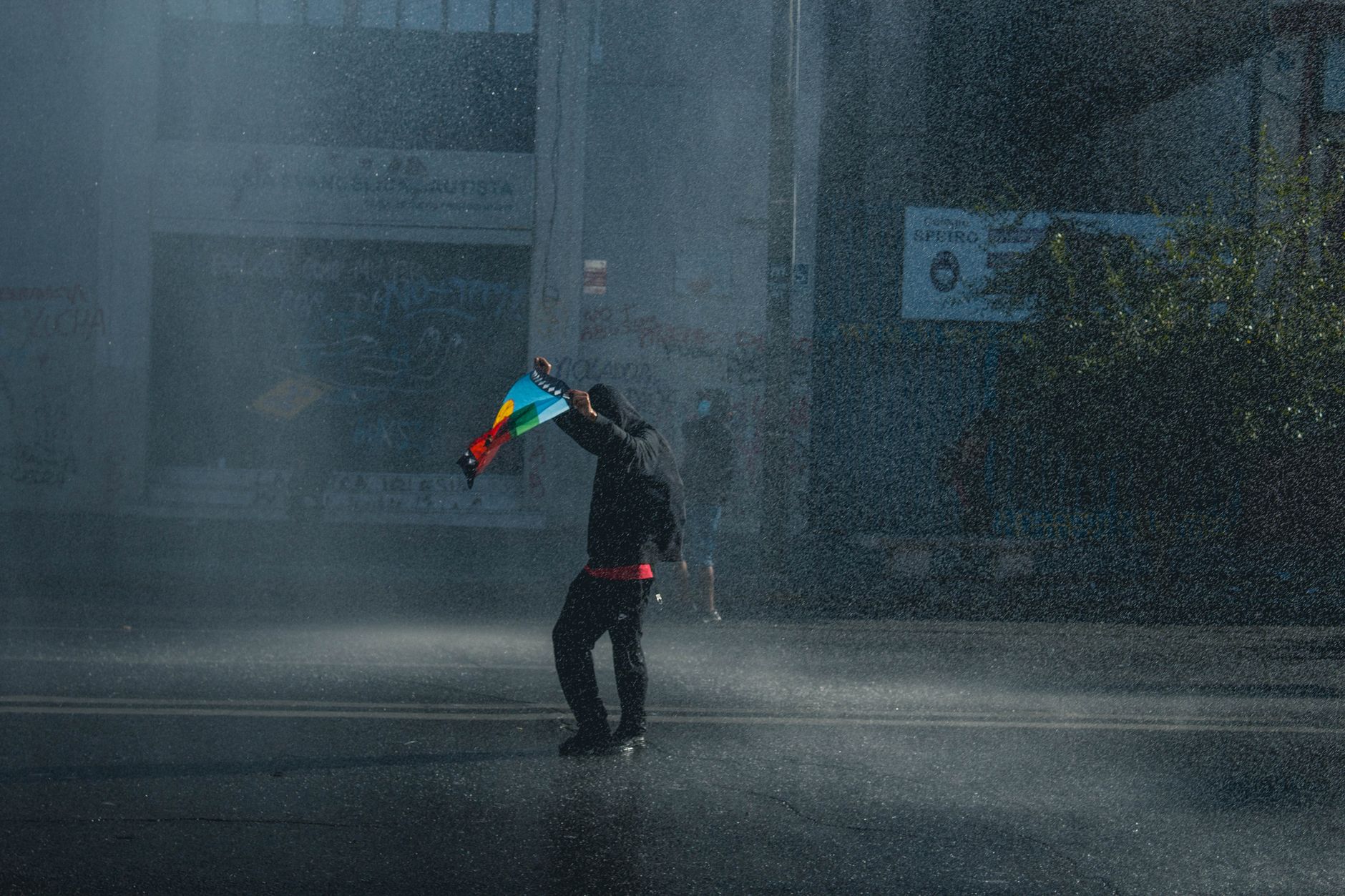
Senator Andy Kim said he was pepper‑sprayed while taking part in a protest outside Delaney Hall in Newark. It has been reported that video posted on social media shows Kim receiving assistance from a volunteer who poured water into his eyes. Kim described seeing "chaos" amid what he called a "standoff" between protesters and federal agents. It is alleged that the chemical agent used was oleoresin capsicum (OC), commonly known as pepper spray, a crowd‑control irritant that causes eye and respiratory pain.
Legal and policy context
ICE (U.S. Immigration and Customs Enforcement) operates detention facilities that hold noncitizens — including asylum seekers and people in removal proceedings — and is overseen by the Department of Homeland Security (DHS). Members of Congress exercise oversight of federal agencies, and confrontations during facility visits or demonstrations can lead to demands for internal reviews, records, or formal inquiries. It was not immediately clear whether ICE or DHS issued a statement; the use of force by federal personnel at detention sites often prompts independent and congressional scrutiny.
Human impact and next steps
For detainees and their families, such clashes underscore persistent concerns about conditions, transparency, and the treatment of people in custody. For advocates and lawyers, the incident may accelerate calls for access and monitoring of detention centers. For someone navigating the U.S. immigration system now, the episode is a reminder that policy disputes and enforcement practices at local facilities can have immediate effects on people’s treatment and on the ability of advocates and elected officials to observe conditions. Expect lawmakers and advocacy groups to press for more information; oversight requests or briefings could follow.
Source: Original Article