
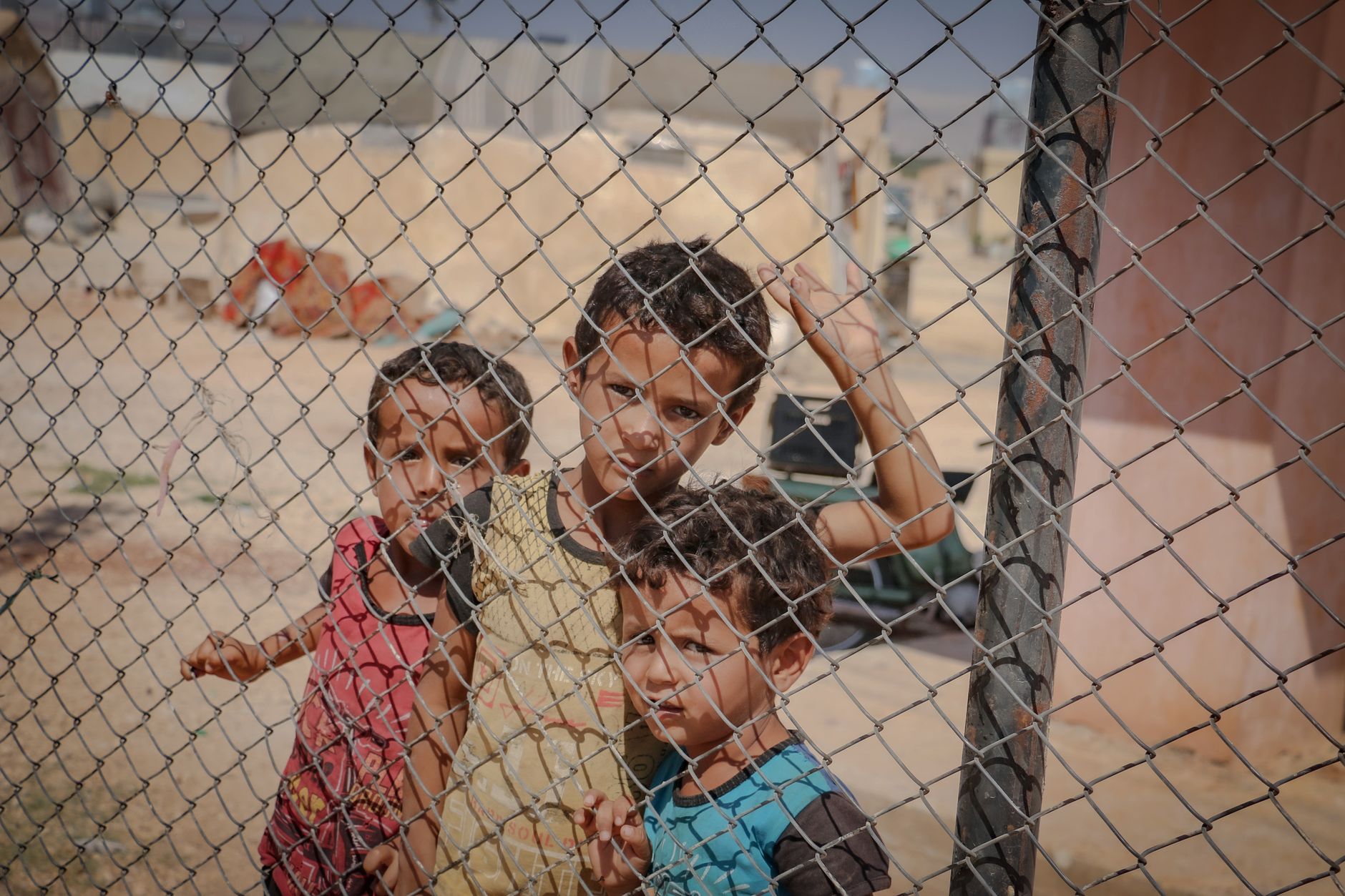
‘Psychological torture’: outcry over conditions at ICE desert detention camp
Key Takeaways
- Camp East Montana, a tent detention facility on Fort Bliss, Texas, holds up to 5,000 people and reportedly averages about 2,505 detainees daily; critics call conditions harsh and unsafe.
- It has been reported that detainees described constant cold, pervasive dust, leaking tents, denied medical care and psychological harm; advocates and some experts say the site is a human‑rights and public‑health concern.
- The camp runs on large diesel generators; legal and environmental advocates warn the facility produces significant emissions and worsens local climate and health harms.
- The situation affects people in removal proceedings, asylum seekers and adjustment‑of‑status applicants (e.g., green‑card seekers), whose hearings and medical care can be disrupted by distant transfers and detention.
Conditions and allegations
Camp East Montana — set up last summer at the Fort Bliss army base and run by Immigration and Customs Enforcement (ICE) — has been described by people detained there as an extremely harsh environment. It has been reported that detainees experienced pervasive dust that clogged airways, blaring air conditioning that created near‑freezing conditions inside long tents, leaking roofs and wet mattresses, and limited access to timely medical care. Advocates have allegedly characterized the cumulative effect as "psychological torture"; these are accounts provided by former detainees and human‑rights groups and have not been litigated in all cases.
Environmental and operational concerns
The facility relies on multiple large generators for electricity and climate control, producing diesel emissions in a remote desert location. Danielle Jefferis, a legal scholar cited in reporting, said the lack of permanent, plumbed buildings with proper medical infrastructure creates obvious environmental and public‑health problems. For communities and detainees alike, the combination of mass transportation of people hundreds of miles, generator pollution and inadequate facilities raises both immediate health risks and longer‑term climate concerns.
Legal and human impact
ICE detention can intersect directly with immigration adjudications: those in removal proceedings, asylum seekers, and people pursuing lawful permanent residence (a "green card") can be transferred far from their attorneys, miss interviews, or face harder access to medical care. In the Guardian report one Venezuelan man was flown over 1,000 miles after a marriage‑based green‑card interview; his wife, a US citizen, says he returned ill and with significant weight loss. USCIS (U.S. Citizenship and Immigration Services) handles green‑card interviews, while ICE handles custody and removal — transfers by ICE can therefore disrupt pending USCIS or immigration‑court processes.
What this means now: detainees and their advocates may press for oversight, medical inspections, or litigation; policymakers could face pressure to limit tent‑based mass detention or require brick‑and‑mortar alternatives. For anyone undergoing immigration proceedings, the practical takeaway is to maintain close contact with counsel, document health and communication issues, and be aware that transfers to remote facilities can affect access to hearings and records.
Source: Original Article