
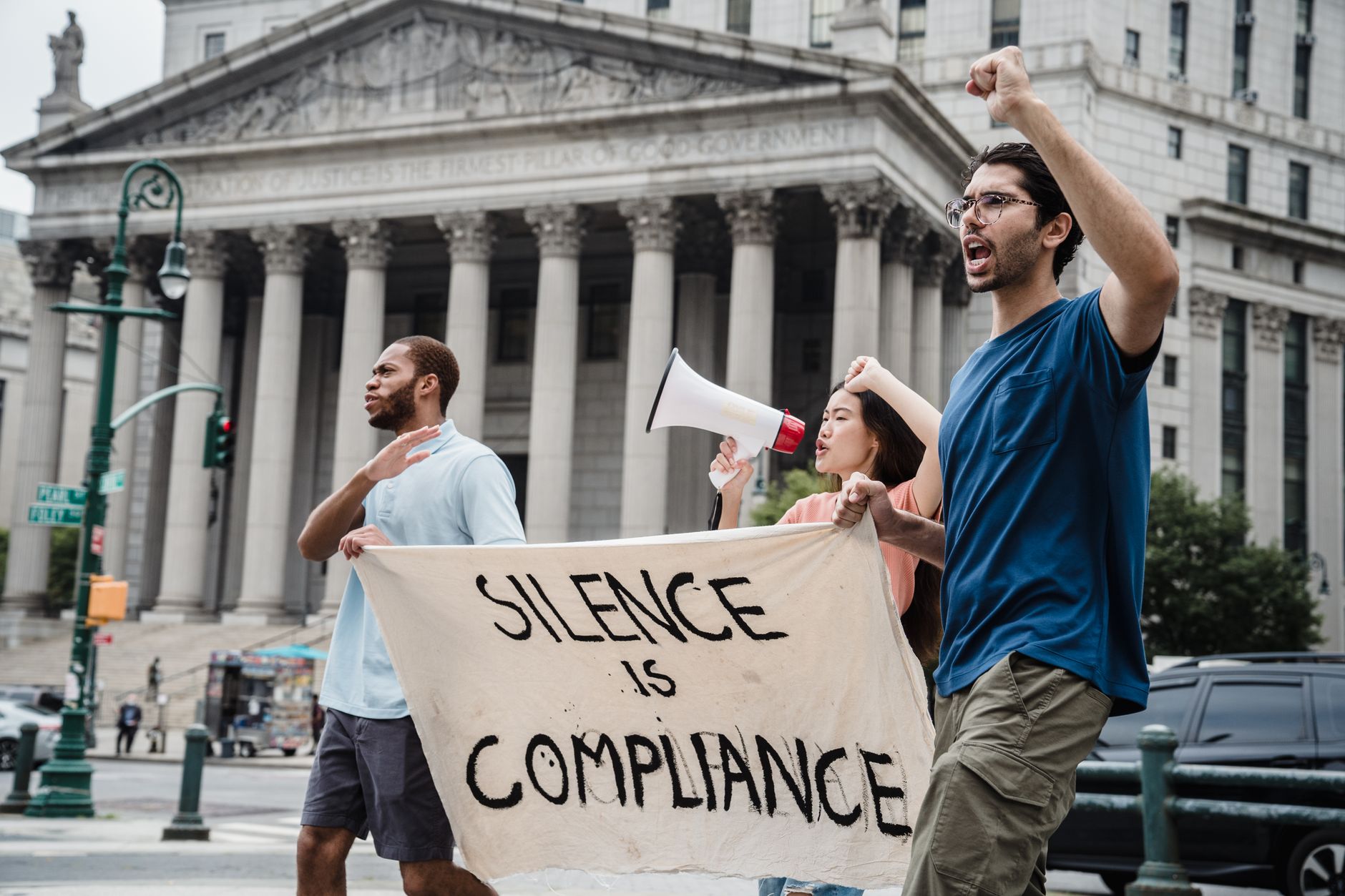
Federal jury finds army veteran and two others guilty in ICE protest conspiracy case
Key Takeaways
- A federal jury convicted three protesters, including a U.S. Army veteran who served in Afghanistan, on felony conspiracy charges for a June 2025 protest targeting U.S. Immigration and Customs Enforcement (ICE).
- Legal experts say the prosecution is part of a broader, aggressive approach by Trump administration officials toward protest activity; it has been reported that some view this as an escalation against First Amendment rights.
- A federal conspiracy conviction requires an agreement to commit an unlawful act and an overt act in furtherance of it; penalties can include prison time and a criminal record with possible immigration consequences for noncitizens.
- The case may have a chilling effect on immigration advocacy and civil disobedience, particularly among activists and volunteers who support migrants and asylum seekers.
Verdict and the charges
A federal jury found three people guilty on felony conspiracy charges for their roles in a June 2025 protest directed at ICE. One of the defendants is a U.S. military veteran who served in Afghanistan, it has been reported. The Guardian coverage ties this verdict to a trial that drew national attention for its political and civil‑liberties implications. Specific sentencing and statutory citations were not detailed in the summary; federal conspiracy statutes generally require proof of an agreement to commit an illegal act plus at least one overt act toward that objective.
Free speech context and legal experts' concerns
Legal scholars and civil‑liberties advocates say the prosecution reflects an intensifying approach by Trump administration officials to criminalize protest tactics. It has been reported that experts view the case as an escalation in attacks on First Amendment protections — the constitutional guarantee of free speech and the right to assemble — though prosecutors argue they are enforcing laws against unlawful conduct. Allegations about political motives remain contested and are part of ongoing public debate.
Human impact: activists, migrants and noncitizens
Beyond criminal penalties, the conviction could have broader consequences. For immigrant advocates and volunteers, the ruling may deter future demonstrations and acts of civil disobedience aimed at ICE or other immigration agencies. For noncitizen defendants or supporters, a felony conviction can trigger immigration consequences — including inadmissibility or deportation in some cases — depending on the precise charge and sentence. Anyone involved in protests should consult a criminal defense attorney and an immigration lawyer to understand risks and defenses.
Source: Original Article