
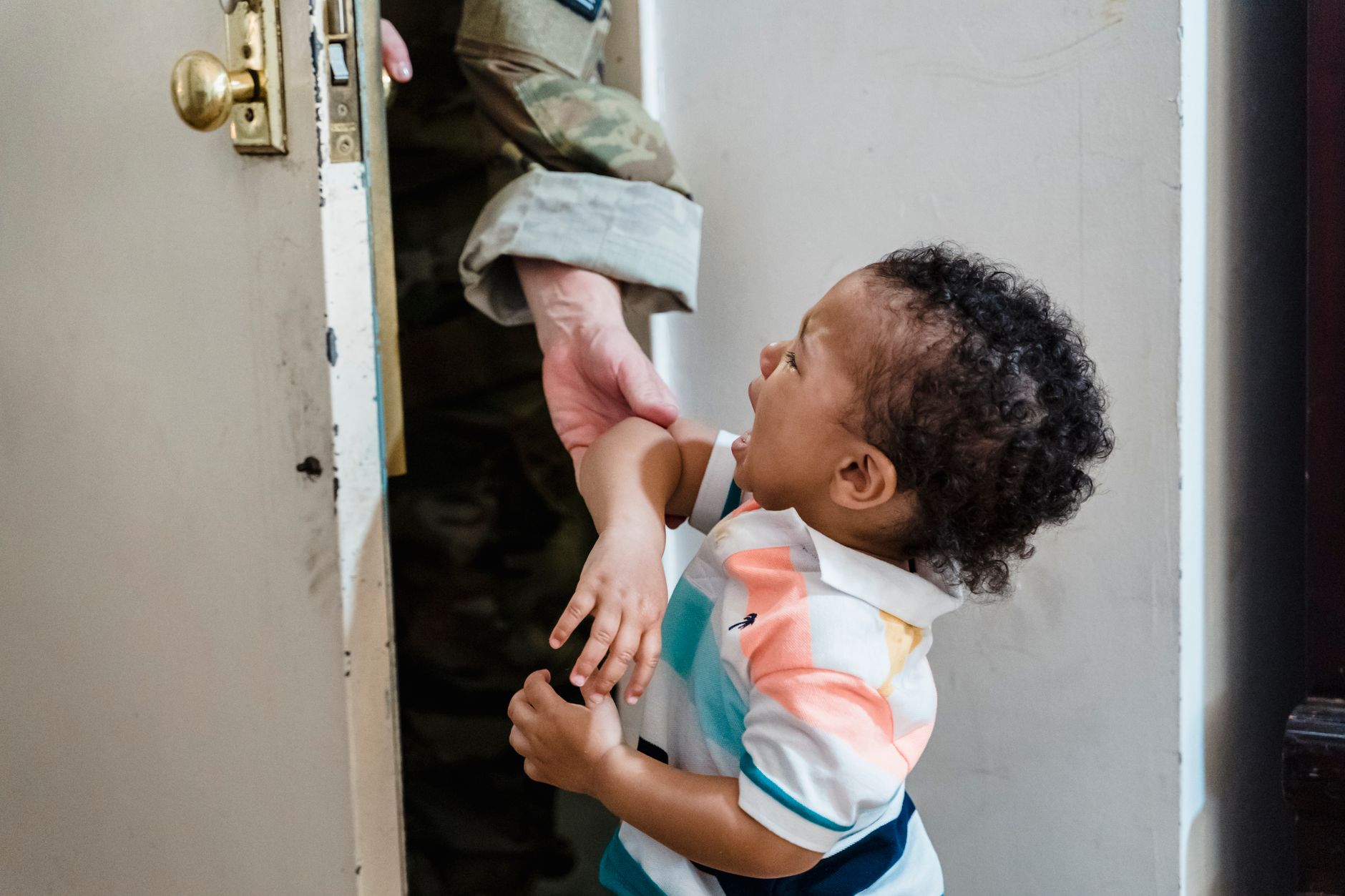
US deportees face sudden, ‘traumatic’ separation from their children, report finds
Key Takeaways
- It has been reported that a joint report by the Women’s Refugee Commission (WRC) and Physicians for Human Rights (PHR) found parents deported to Honduras were often removed rapidly and without being asked about dependent children.
- Researchers say many parents were given no time to arrange child care, were not allowed to decide whether to take children with them, and in some cases were deported within days of detention.
- The report alleges these practices may contravene agency obligations; detained parents and their children experienced acute emotional distress, with potential long-term mental-health consequences.
- The findings highlight access problems: researchers interviewed deportees in Honduras because visits to U.S. detention centers have become more restricted.
Report findings
It has been reported that researchers from WRC and PHR interviewed dozens of parents deported to Honduras and found repeated accounts of hurried removals. The teams spoke with parents, reception-center staff, physicians and psychologists in San Pedro Sula and encountered 163 women (three visibly pregnant) and 1,094 men during five days of fieldwork. According to the report, some parents were detained one day and removed a few days later, with no chance to arrange childcare or consult a lawyer; one mother said immigration officers “didn’t ask me anything.” The researchers say children were sometimes left with informal caregivers who themselves may be vulnerable to deportation.
Legal and policy context
ICE (U.S. Immigration and Customs Enforcement) is the principal agency that enforces deportations or “removals.” WRC and PHR say the reported practices amount to an apparent violation of the administration’s stated policies on family considerations; the organizations allege that officers failed to ask detained parents about dependent children or ensure safe care. The researchers also highlighted that congressional and legal access to detention facilities has narrowed, which is why interviews were conducted in Honduras after deportation rather than in U.S. centers. The report frames the problem as both a procedural failure and a public‑health concern given the documented psychological effects.
Human impact and what it means now
The human toll is immediate: parents and toddlers reported panic, anxiety and a sense of abandonment. Physicians interviewed warned of long-term psychological and physiological harms for very young children separated suddenly from caregivers. For people currently navigating U.S. immigration enforcement, the report underscores practical risks — rapid removals can limit time to secure guardians, legal representation or emergency plans. It does not replace legal advice, but families and advocates should keep clear records of dependents, emergency contacts and, where possible, legal counsel on standby; community organizations and lawyers can sometimes assist with emergency guardianship and family‑reunification planning.
Source: Original Article