
Migrants Detained at Federal Plaza Building 26 Reportedly Held in “Inhumane” Conditions
Key Takeaways
- It has been reported that migrants detained at Building 26 of Federal Plaza in New York allegedly faced overcrowding, poor hygiene, and limited medical care.
- Advocates say the conditions may violate ICE detention standards; federal oversight bodies can investigate such complaints.
- Detainees affected include asylum seekers and noncitizens in removal proceedings; prolonged court backlogs can extend detention times.
- Anyone detained should try to document conditions, notify counsel, and consider filing complaints with DHS oversight offices.
What has been reported
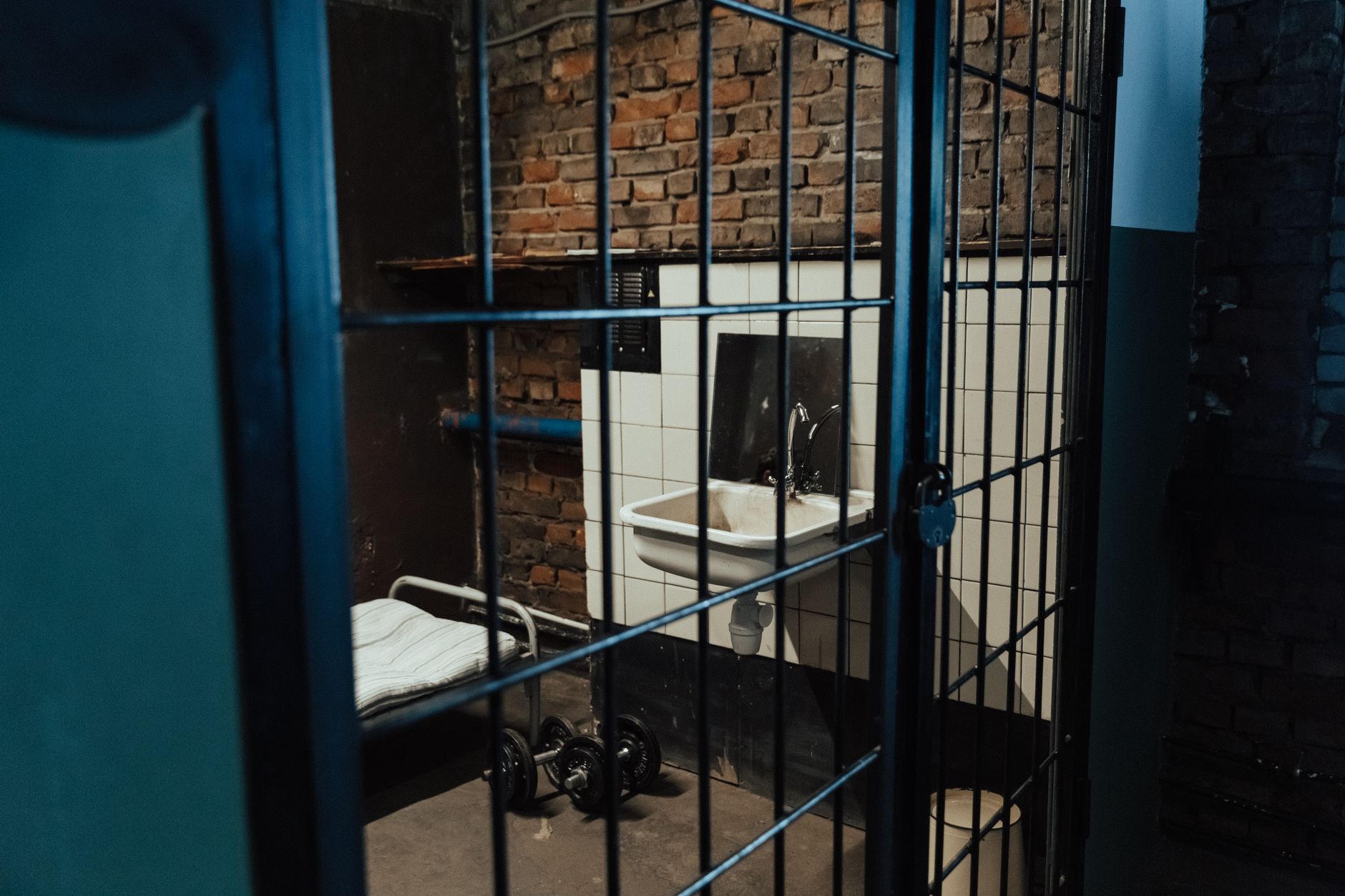
It has been reported that migrants held at Building 26 of Federal Plaza in Manhattan allegedly endured “inhumane” conditions while in custody, according to local advocates and attorneys. Complaints cited overcrowded holding areas, inadequate access to showers and hygiene supplies, limited or delayed medical attention, and problems obtaining regular meals and legal access. Advocates told reporters they raised concerns with detention authorities and called for inspections.
Legal context and oversight
The facility is used to detain noncitizens in immigration custody while they await hearings or transfer. ICE (U.S. Immigration and Customs Enforcement) must follow detention standards such as the Performance-Based National Detention Standards (PBNDS), which require basic medical care, sanitation, and access to counsel. Allegations of substandard conditions can be reported to the DHS Office of Inspector General (OIG) and ICE’s Office of Detention Oversight for investigation. Separately, immigration courts (run by the Executive Office for Immigration Review, EOIR) manage removal proceedings; court backlogs often mean people remain detained for extended periods.
Human impact and what it means for detainees now
For those detained, the reported conditions have immediate health and legal consequences: medical needs may go unmet, mental health can deteriorate, and restricted contact with lawyers can impede preparation for hearings. If you are detained or representing someone who is, it is prudent to document conditions (photos, written notes), notify counsel and the detention facility in writing, and consider filing complaints with DHS oversight channels. Public advocates argue systemic fixes are needed; for individuals, timely legal help and formal reporting remain the most direct ways to seek redress.
Source: Original Article