
Rural town halts plan for ICE detention center, forcing DHS to pause purchases
Key Takeaways
- Residents of Social Circle, Georgia, successfully pressured local officials to cut water service to a DHS‑owned warehouse proposed for an ICE (Immigration and Customs Enforcement) detention site.
- It has been reported that the Department of Homeland Security (DHS) purchased the 90,000+ sq ft warehouse in February as part of a roughly $38.3 billion plan to open dozens of detention facilities nationwide; those broader acquisition plans are now paused.
- Officials cite strained local infrastructure — Social Circle’s water system serves about 5,000 people and already uses most of its permitted river withdrawal in summer — and say a 10,000‑bed detention center would effectively triple the town’s population.
- The pause and local resistance create immediate uncertainty for migrants who might be detained there (including asylum seekers and noncitizens in removal proceedings) and for attorneys who track detention placements and access to counsel.
- The situation underscores how local governance and basic utilities can determine federal enforcement capacity on the ground.
Background
It has been reported that DHS bought a large industrial warehouse near Social Circle, Georgia, this year that federal officials viewed as part of a nationwide push to expand migrant detention capacity. DHS — the Department of Homeland Security, which oversees ICE — later canceled a public meeting and said it is reviewing agency proposals under new leadership. Local accounts and Reuters reporting indicate the warehouse was eyed to hold thousands of people; residents and local leaders say a facility of that scale would overwhelm the town’s services.
Local resistance and resource concerns
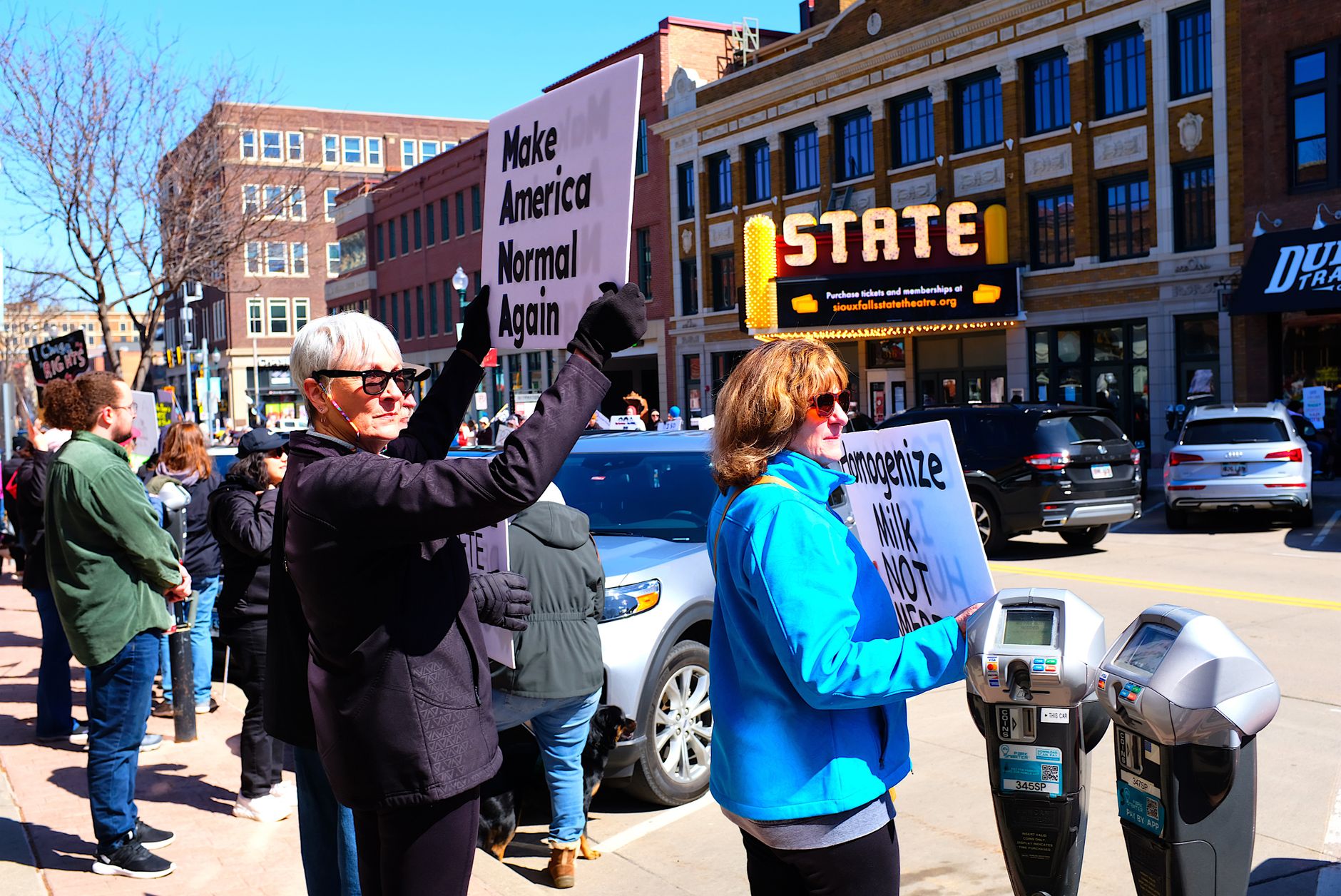
The opposition has come from an unusual cross‑section of the town. Neighbors described as politically diverse — including a local Democrat and a conservative who voted for former President Trump — joined daily inspections of the property and pressured the city manager to act. In March the manager, Eric Taylor, cut water service to the warehouse, saying opening the meter would give the facility “access to all the city’s supply” without knowing the impacts. Social Circle’s water system is already drawing close to its permitted 1 million gallons per day in summer months, and officials say adding the detainee population would strain an aging system that serves roughly 5,000 residents.
What this means for migrants and the immigration process
For migrants — including asylum seekers, families, and noncitizens in removal proceedings — the pause is mixed news. On one hand, it prevents the immediate expansion of a large, remote detention site where access to attorneys, remote immigration court appearances, and reentry services can be difficult. On the other hand, DHS has already invested millions in some sites and signaled it may seek other locations; national policy decisions could redirect detainees elsewhere. Practically, lawyers and advocates should continue monitoring DHS procurement announcements and local permitting actions, because detention placement affects legal access, bond opportunities, and the ability to pursue relief from removal.
Source: Original Article