
Weekly immigration highlights: Senate rejects funding for ICE; immigrants detained at airports.
Key Takeaways
- The Senate unanimously approved short-term funding for TSA and some DHS components but left ICE (Immigration and Customs Enforcement) and CBP (Customs and Border Protection) out of that package amid Democratic demands for enforcement reforms.
- ICE and CBP remain operational for now because they are financed through a separate omnibus appropriations measure widely referenced in coverage as the "One Big Beautiful Bill."
- It has been reported that TSA (Transportation Security Administration) shared passenger data with ICE, a practice that preceded the detention of a Guatemalan mother and her daughter at San Francisco International Airport.
- Deployment of ICE agents to roughly 14 airports has not eased travel disruptions and raises civil‑liberties and public‑trust concerns, including warnings about sending agents near polling places.
- Travelers and immigrants with removal orders face heightened risk of encounters with ICE during air travel; legal counsel and consular notification are critical if detained.
What the Senate vote means
The Senate moved to fund core aviation and emergency functions — notably TSA, which handles airport screening — while withholding new funding for ICE and CBP because Democrats demanded concrete reforms to how interior and border agents operate. ICE enforces immigration laws inside the U.S.; CBP polices the borders and ports of entry. Democrats cited recent high‑profile incidents, including the deaths of two U.S. citizens in Minneapolis, as the rationale for pressing for accountability and policy changes before approving more money. Republican leaders signaled they had not accepted those changes when the temporary funding bill was negotiated.
ICE and CBP nevertheless continue to operate. It has been reported that the agencies still receive funding through a prior omnibus appropriations law (referred to in some coverage as the "One Big Beautiful Bill"), allowing them to continue raids, arrests, and detention operations even as parts of DHS faced a partial lapse. President Trump announced he would sign an executive order to immediately pay furloughed TSA employees during the 42‑day partial impasse, but officials warned it will take time for staffing and operations to return to normal at affected agencies such as TSA, the Coast Guard, and FEMA.
Airport deployments and reported SFO arrest
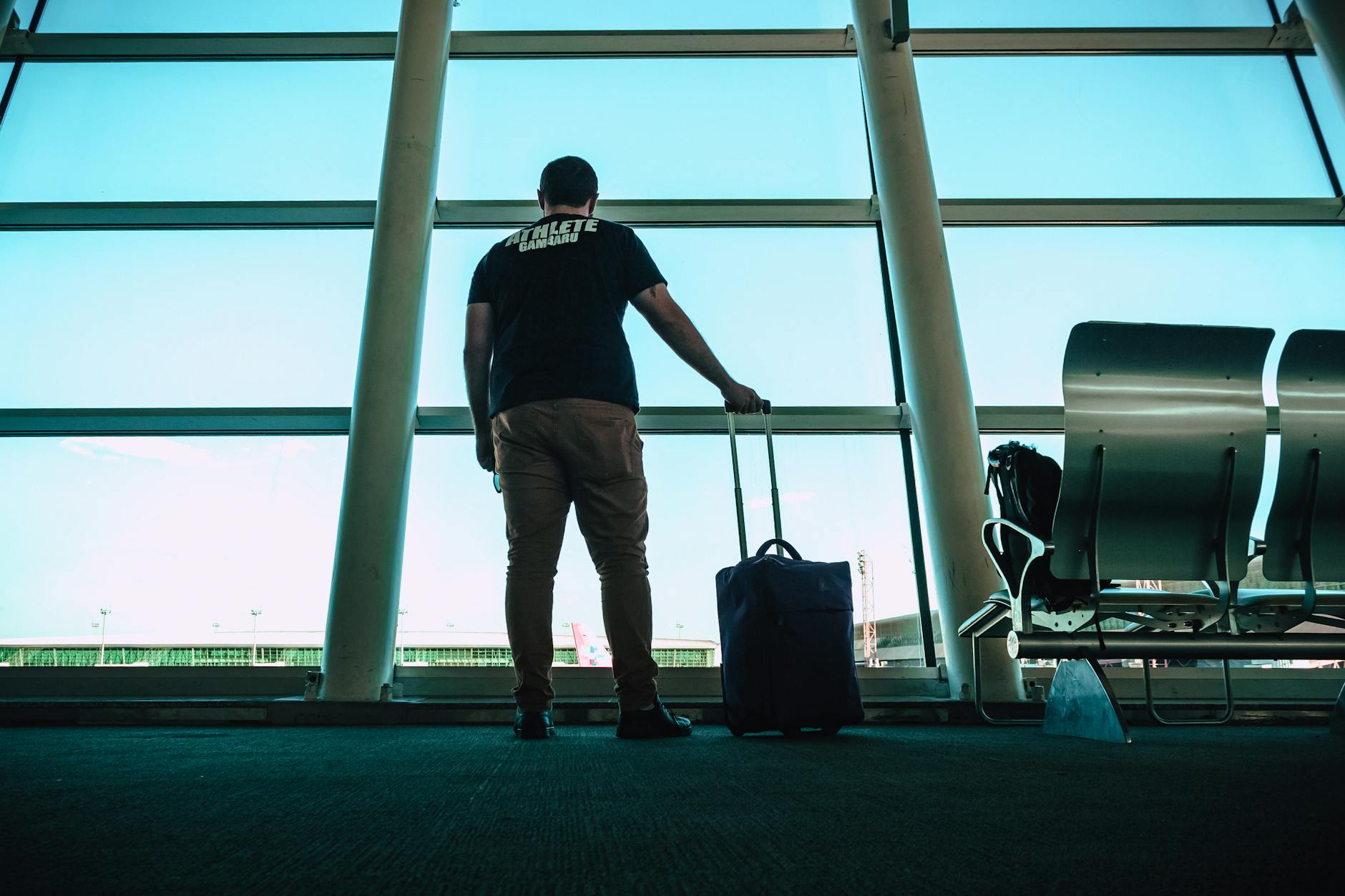
The deployment of ICE agents to about 14 airports to assist TSA has not resolved long lines and cancellations, and it has intensified scrutiny of information‑sharing between security and immigration agencies. It has been reported that TSA shares travelers’ names and birthdates with ICE when there is reason to believe someone has a court‑ordered removal, and that this practice contributed to the detention of a Guatemalan mother, Angelina López‑Jiménez, and her daughter at San Francisco International Airport as they prepared to fly to Miami. According to reporting cited in La Opinión and The New York Times, the mother had no criminal record but had previously entered the U.S. without authorization.
Civil‑liberties advocates and some lawmakers say sharing passenger data with immigration enforcement turns airports into enforcement zones and can chill travel and civic participation. It has been reported that experts have also warned about the danger of deploying immigration agents near polling locations, an action that could deter voters and raise legal concerns. Former ICE officials and current agency spokespeople argue that interior enforcement focuses on individuals with criminal histories or final removal orders, but families and non‑citizens without violent records have nonetheless been caught up in recent operations.
What this means for immigrants and travelers now
For people who are not U.S. citizens, the immediate practical risk is heightened contact with federal immigration agents during travel. Those subject to final orders of removal are most directly at risk of airport arrests, but anyone with unresolved status questions may face detention. If detained at an airport, request legal counsel, ask for consular notification if you are a national of another country, and avoid signing documents without legal advice. Immigration lawyers recommend carrying contact information for counsel and relevant paperwork, but note that carrying foreign passports or consular cards does not prevent enforcement action if a removal order exists.
Policy watchers should expect continued political fights over enforcement reform and appropriations. For migrants and families, the key takeaway is that funding decisions in Congress and interagency data‑sharing practices directly affect safety, mobility, and due‑process rights. Those with pending cases or concerns about enforcement should consult an immigration attorney or local legal aid groups for case‑specific guidance.
Source: Original Article