
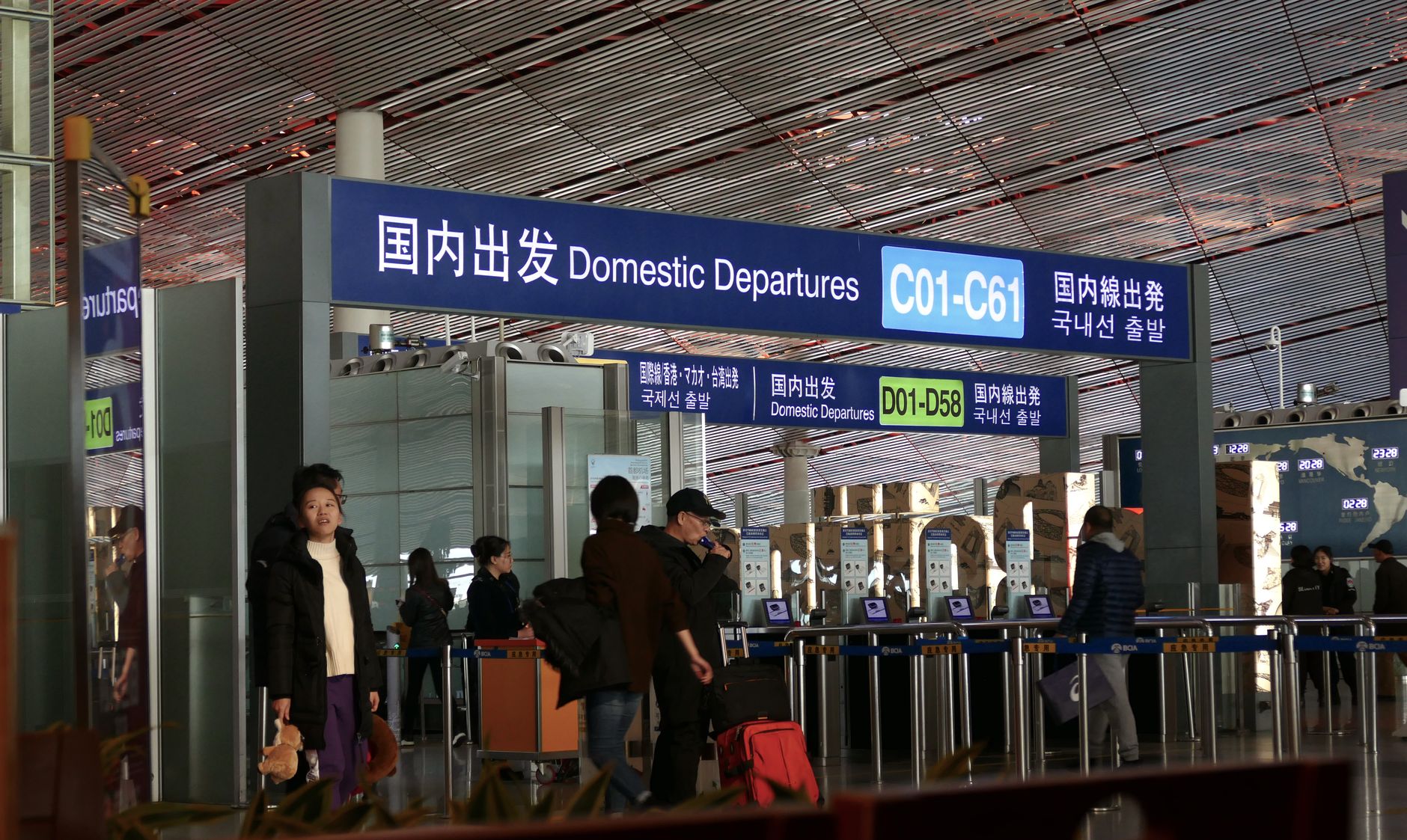
DHS partial shutdown triggers hours‑long TSA lines across U.S. and Puerto Rico as spring break travel surges
Key Takeaways
- A partial shutdown of the Department of Homeland Security (DHS) has stretched beyond 20 days, snarling airport security screening nationwide.
- Major hubs in Houston, New Orleans, and Atlanta report waits of two to three hours; airports in Puerto Rico are also affected.
- TSA officers are working without full pay, it has been reported, fueling absences and staffing shortages.
- The standoff stems from a dispute over immigration policy changes backed by President Donald Trump and oversight reforms sought by Democrats.
- Travelers are urged to arrive at least three hours early; most USCIS services continue as they are fee‑funded, but programs like E‑Verify historically pause during funding lapses.
Airport delays intensify as spring break begins
Long lines, missed flights, and multi‑hour waits at Transportation Security Administration (TSA) checkpoints are rippling across U.S. airports and Puerto Rico amid a partial shutdown of the Department of Homeland Security (DHS). With spring break travel ramping up, authorities at New Orleans’ Louis Armstrong airport warned passengers to arrive at least three hours early, noting waits could reach two hours and persist through the week. Houston’s William P. Hobby reported security queues approaching three hours, while Atlanta’s Hartsfield‑Jackson—the world’s busiest—saw significant slowdowns. The disruption comes as the DHS funding lapse, which began February 14, extends past the 20‑day mark without a congressional deal.
A funding fight over immigration policy
The impasse centers on immigration enforcement and oversight. The Trump administration has accused Democrats of causing the DHS shutdown and harming travelers. Meanwhile, Democrats have pressed for reforms after the reported deaths of two U.S. citizens during protests against immigration raids in Minnesota. Proposals include mandatory body cameras for federal agents, bans on face coverings during operations, visible identification requirements, and judicial warrants for searches or arrests on private property. In posts on social media platforms, DHS and TSA accounts blamed Democrats for the lapse; these public statements underscore how the budget fight over immigration policy has spilled into air travel operations.
Pay crunch drives TSA staffing strain
Under shutdown rules, many DHS employees perform “excepted” duties—work deemed essential for safety and security—without current pay until funding is restored. TSA officers fall into this category. It has been reported that some received only about 30% of their last paycheck, with warnings that future pay could halt if the stalemate continues. That financial strain is allegedly contributing to absences and staffing shortages at security checkpoints, compounding wait times just as passenger volumes surge for spring break.
What this means for travelers and immigrants now
Travelers should build in extra time—at least three hours before domestic departures—and monitor airport and airline alerts. Even TSA PreCheck lanes may experience delays or intermittent closures due to staffing. For immigrants and employers: core services at USCIS (U.S. Citizenship and Immigration Services), which is primarily funded by application fees, generally continue during DHS shutdowns, but programs that rely on appropriations—such as E‑Verify—have historically been paused, affecting onboarding of new hires. Trusted Traveler enrollment appointments (e.g., Global Entry) have seen disruptions in past funding lapses and could face rescheduling. If travel delays threaten immigration deadlines (such as visa validity windows or I‑94 expirations), contact your carrier promptly and consult an immigration attorney to assess options.
Source: Original Article