
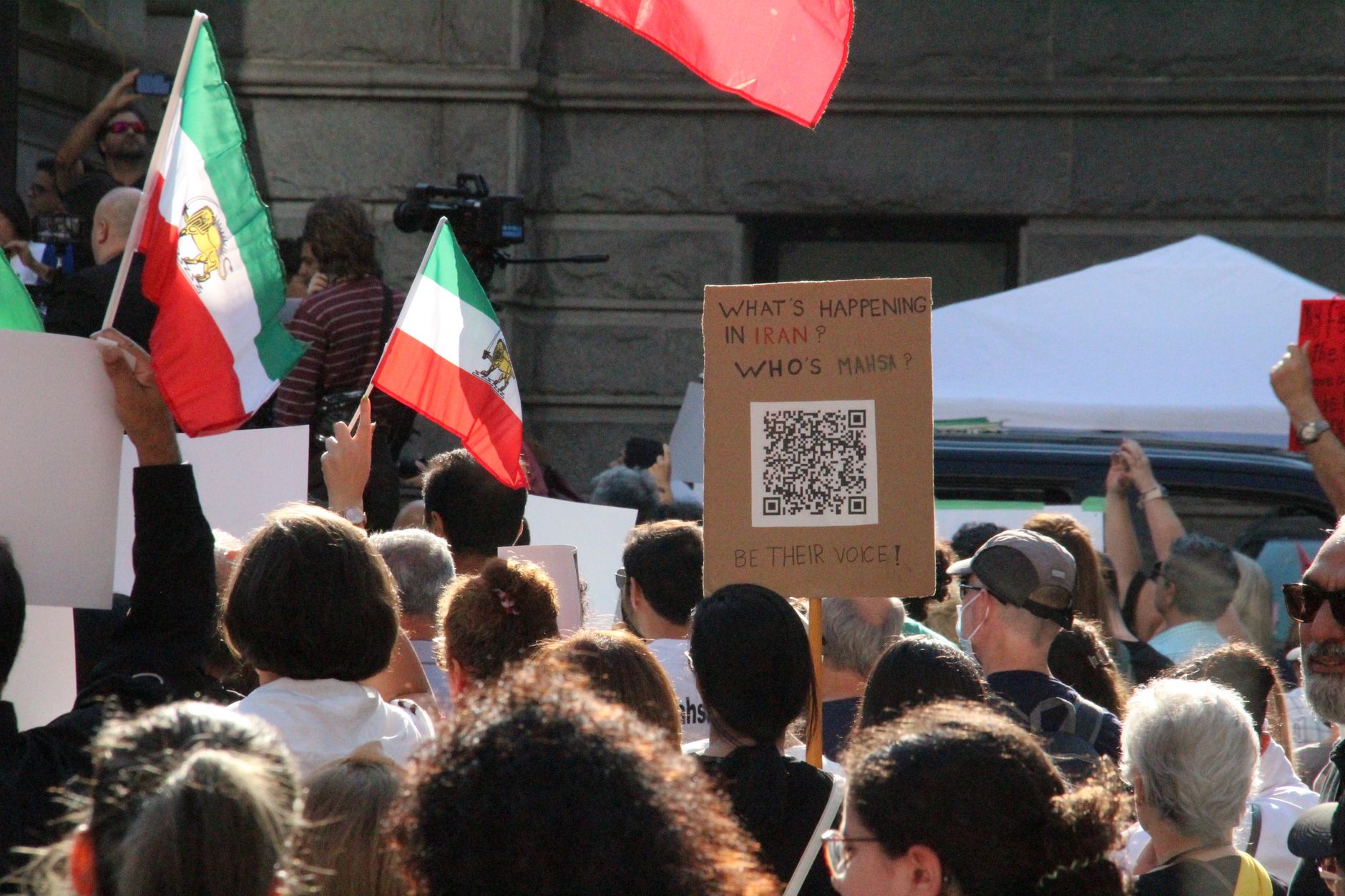
Iranian Diaspora Splits Over War, Regime Change — With Real Consequences for Immigrants
Key Takeaways
- Iranian Americans held dueling rallies in Los Angeles over reported strikes in Iran and alleged death of Supreme Leader Ayatollah Ali Khamenei.
- Community divisions have intensified online, with pro-strike voices labeled “Zionists” and anti-war advocates accused of being pro-regime.
- For Iranians navigating U.S. immigration, deepening conflict and blackouts complicate family reunification, asylum claims, and consular processing in third countries.
- No U.S. consulate operates in Iran; most immigrant and nonimmigrant visas for Iranians are processed in posts like Ankara, Abu Dhabi, or Yerevan, which could face disruption.
- Applicants should expect heightened vetting and existing backlogs to persist; policy shifts such as Temporary Protected Status (TPS) for Iran have not been announced.
A Community United by a Goal, Divided on the Path
Los Angeles saw two very different street scenes: one rally outside City Hall condemning what protesters called an “unsanctioned war,” and another celebration in “Tehrangeles” marking what participants believed could be the beginning of regime change. It has been reported that joint U.S.-Israeli strikes hit Iran, and some in the diaspora celebrated reports that Ayatollah Ali Khamenei was killed — a claim that, for many, remains emotionally charged and politically fraught. The shared aspiration is clear: a free Iran. The split is over whether military action hastens that freedom or risks catastrophe.
Scholars say the tone within the diaspora has hardened. Online arguments have grown more personal, with alleged war supporters branded “Zionists” since the Oct. 7, 2023 Hamas attacks, while anti-war voices are accused of siding with Tehran. The leadership question also looms: supporters of Reza Pahlavi, the exiled son of the last shah, face pushback from those wary of any return to monarchy. All of this unfolds as reports describe rising casualties in Iran and government-imposed internet blackouts ahead of Nowruz, further isolating families.
Immigration Stakes: Visas, Asylum, and Family Separation
For Iranians navigating U.S. immigration, today’s geopolitical shockwaves translate into very practical hurdles. With no U.S. embassy in Tehran since 1979, most immigrant and nonimmigrant visas are adjudicated in third countries — commonly Ankara, Abu Dhabi, or Yerevan. Regional instability, flight disruptions, or heightened security alerts can delay appointments, strand applicants, and complicate medical exams and police certificates required for immigrant visas. Applicants should build in contingency time and monitor post-specific alerts from the State Department.
Asylum seekers and recent arrivals face a system already burdened by significant backlogs. USCIS (U.S. Citizenship and Immigration Services) continues to process affirmative asylum cases, but interviews can take years; removal proceedings in immigration courts also face extensive delays. Those with any contact with the IRGC (Islamic Revolutionary Guard Corps), designated a Foreign Terrorist Organization in 2019, may encounter terrorism-related inadmissibility grounds under U.S. law, even for incidental or coerced interactions — a complex area that often requires legal counsel. While some advocates are calling for humanitarian measures such as TPS (Temporary Protected Status) or streamlined family reunification, no new nationwide protections for Iranians have been announced. Family-based immigration remains the main pathway, but wait times for certain categories can run many years, and the current environment may add further vetting.
What This Means Now
If you are an Iranian visa applicant or sponsoring family: keep your National Visa Center and consular profiles current, watch for appointment rescheduling, and prepare for additional security screening. If you are seeking asylum: document any new risk factors, preserve digital evidence where possible despite blackouts, and consult qualified counsel on how evolving events may affect your claim. For students and workers already in the U.S.: maintain status rigorously; travel abroad may carry new risks and reentry uncertainty if regional tensions escalate. For the broader community, the debates in Los Angeles reflect a watershed moment — one that is reshaping advocacy, legal strategies, and the lived experience of Iranians intertwined with U.S. immigration systems.
Source: Original Article