
BREAKING: Tiger Woods says he will seek treatment after DUI arrest
Key Takeaways
- Tiger Woods says he will step away from competition to seek treatment after a Florida arrest on a driving under the influence (DUI) charge.
- It has been reported that Woods’ SUV rolled after striking a trailer; reports say opioid pain pills were found in his pocket and he submitted to a breath test but refused a urine test.
- He pleaded not guilty; prior incidents in 2017 and 2021 mean this arrest will be watched closely by prosecutors, insurers and sponsors.
- For noncitizens, drug-related arrests or convictions can carry immigration consequences; DUI alone may not automatically trigger deportation but outcomes depend on convictions and underlying charges.
- Anyone facing similar criminal charges should consult both criminal defense counsel and an immigration attorney promptly.
What happened
Tiger Woods, the 50-year-old golf star, said in a social media statement that he will step away to “prioritize my well-being and work toward lasting recovery.” It has been reported that the arrest followed a rollover crash Friday in Jupiter Island, Florida, when his Land Rover struck a trailer. It has been reported that the Martin County incident report noted signs of impairment and that opioid pain pills were found in his pocket; he has said he took medication that morning. He pleaded not guilty Tuesday.
Legal context and immediate process
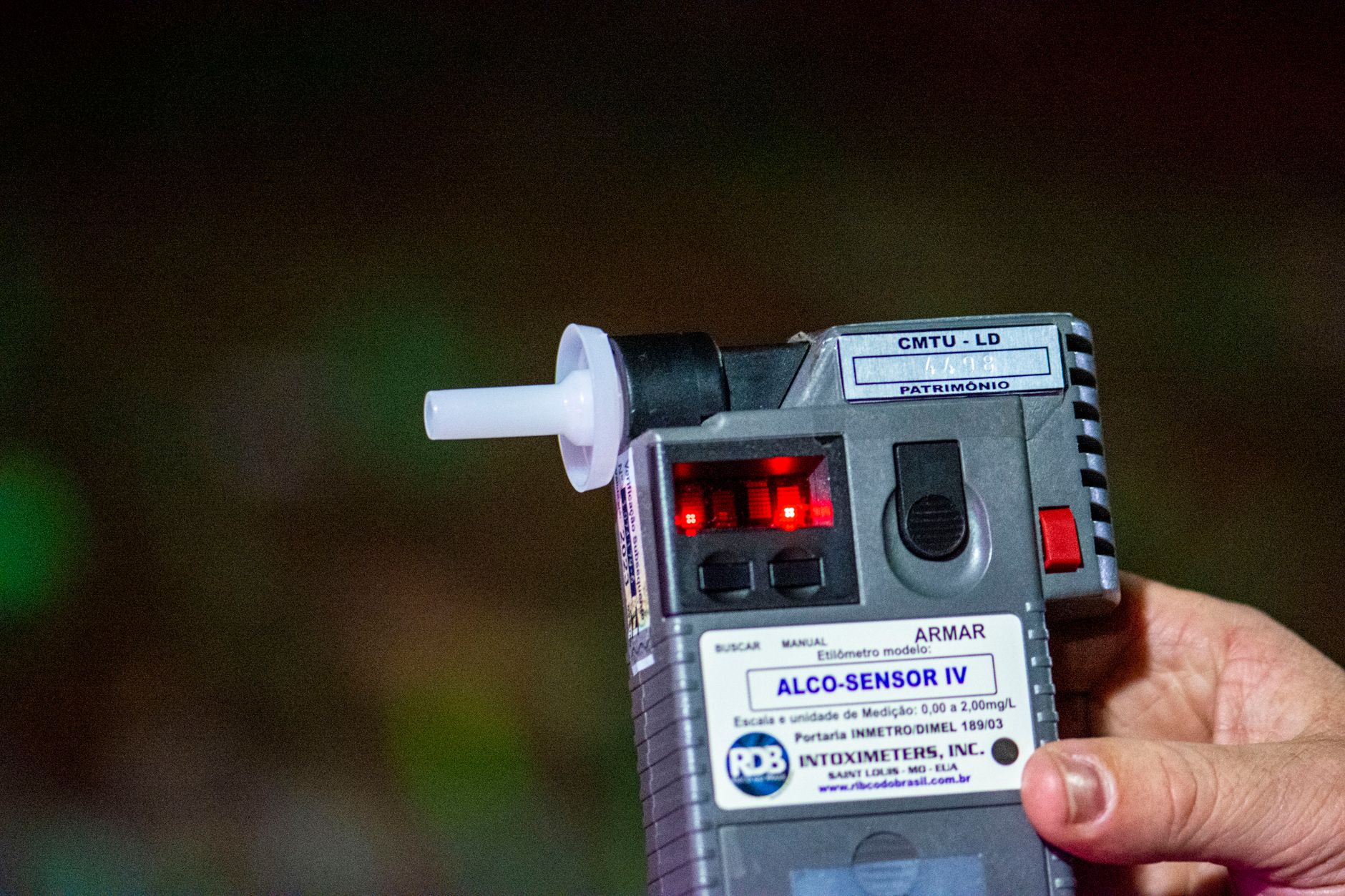
DUI stands for driving under the influence — a criminal charge alleging operation of a vehicle while impaired by alcohol or drugs. It has been reported that Woods submitted to a breath test at the jail and refused a urine test; refusal can carry administrative consequences under state “implied consent” laws, including license suspension. Pleading not guilty means the case will proceed through pretrial stages where prosecutors may offer diversion, treatment-based resolutions, or pursue trial. Prior incidents in 2017 (a Florida DUI arrest) and a 2021 crash in California mean prosecutors and the public will scrutinize the file and any prior treatment records.
Immigration implications and human impact
Although Woods is a U.S. citizen and not directly affected by immigration law, this case highlights a wider concern: criminal arrests with drug-related allegations can affect noncitizens. Under U.S. immigration law, convictions for controlled-substance offenses often trigger inadmissibility (bar to entering or reentering the U.S.) or deportability (removal) for noncitizens; the Immigration and Nationality Act (INA) treats drug offenses seriously. Simple DUI convictions without a drug-possession element are usually not classified as aggravated felonies, but consequences for visa applicants, green card holders and naturalization applicants depend on the exact state offense, whether there is a conviction, and whether the offense involves controlled substances or moral turpitude. For immigrants, an arrest alone can complicate visa processing, background checks, employment authorization and naturalization interviews.
What this means now
For Woods, the next steps are criminal — arraignment, discovery, potential plea discussions and his announced treatment plan. For readers who are noncitizens facing similar charges: do not assume outcomes. Criminal and immigration consequences run on parallel tracks. Obtain criminal defense counsel immediately, and consult an immigration attorney before accepting plea deals or admitting facts that could be used in immigration proceedings. Keep records of any treatment or diversion programs; those can matter to prosecutors and, in some immigration contexts, to adjudicators at USCIS (U.S. Citizenship and Immigration Services) or in immigration court.
Source: Original Article