
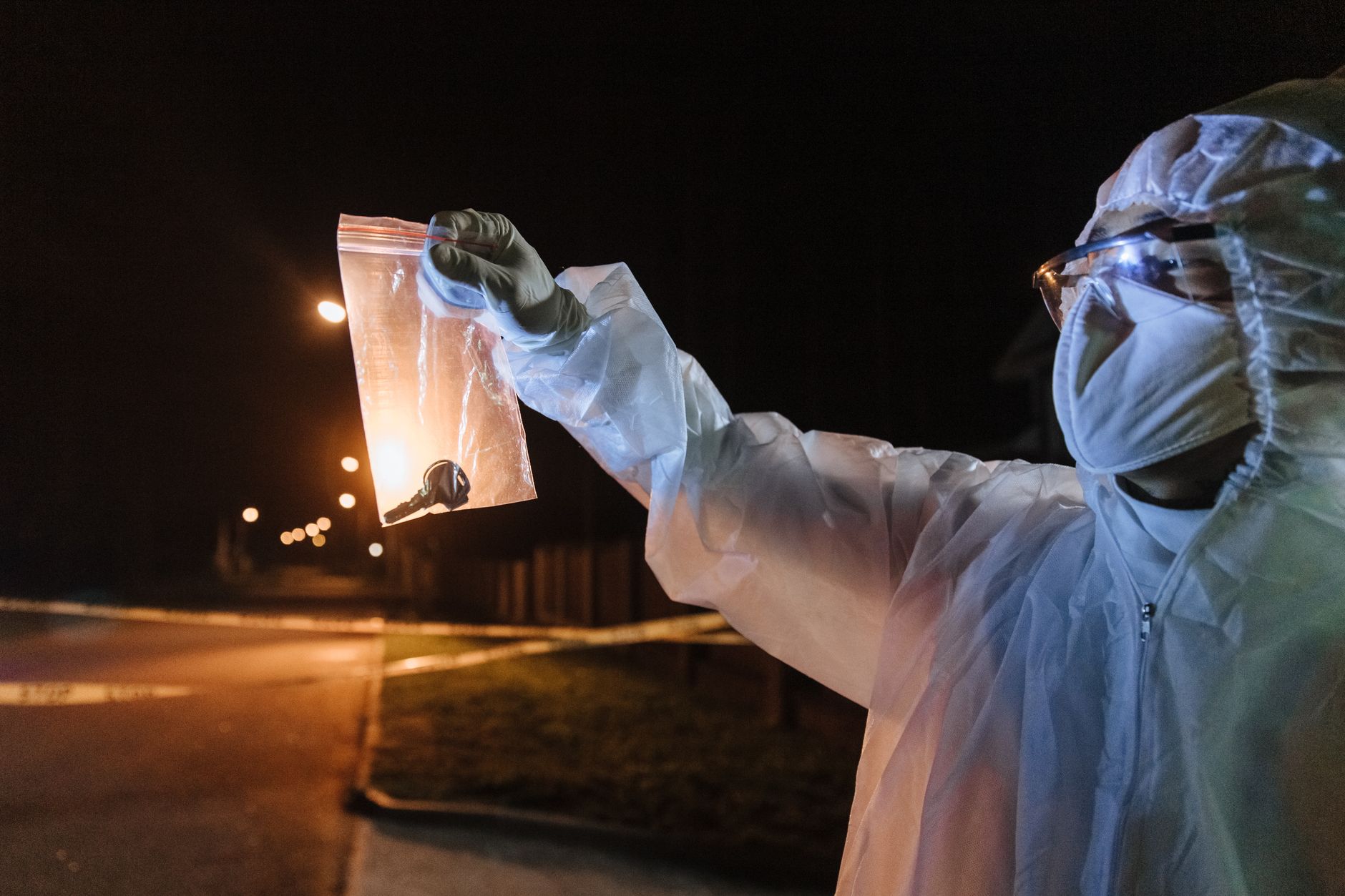
Defense in Charlie Kirk shooting asks judge to push May hearing to review gun DNA evidence
Key Takeaways
- Defense for Tyler Robinson has asked a judge to delay a May preliminary hearing for six months to review DNA and ballistic evidence tied to the alleged murder weapon.
- It has been reported that investigators recovered a decades‑old German bolt‑action rifle near the scene; an ATF (Bureau of Alcohol, Tobacco, Firearms and Explosives) summary reportedly says the agency could not match the autopsy bullet to that rifle.
- The FBI (Federal Bureau of Investigation) is conducting a secondary comparative bullet analysis that is not yet complete. Defense says it still lacks full ATF case files and laboratory protocols.
- The defense received a large digital production — 31 hours of audio, about 700 hours of video, and some 600,000 data files — and says a comprehensive review will take hundreds of hours.
Delay request and the charge
Attorneys for Tyler Robinson — the man accused in the fatal shooting of conservative podcaster Charlie Kirk at an outdoor event on Sept. 10, 2025 — have filed to postpone a preliminary hearing set for May, arguing they need substantially more time to evaluate crucial forensic and digital discovery. A preliminary hearing (a short, court-level proceeding to determine whether there is probable cause to send the case to trial) is often called a "mini‑trial"; the defense says it cannot be ready without the outstanding forensic files and a meaningful window to analyze them.
It has been reported that investigators found a decades‑old German‑made bolt‑action rifle in woods near the scene. Prosecutors allege that weapon was used in the shooting; the defense filing emphasizes that an ATF summary report indicates the ATF was unable to identify the bullet recovered at autopsy as coming from that rifle. The defense also says the FBI is conducting an additional comparative analysis that remains pending.
Forensics, discovery and why it matters
The defense told the court it has not yet received the ATF case file or the specific laboratory protocols used to examine the bullet fragment — materials the team says are necessary for independent expert review. ATF (the federal bureau that handles firearm and ballistic forensics) and the FBI both perform ballistic comparisons and DNA testing; when one agency's analysis is incomplete or inconclusive, a secondary review can materially affect what evidence is admissible or how it will be argued at trial. The filing even notes the possibility that testimony from the ATF firearms analyst could be offered as exculpatory evidence depending on what the defense’s experts find.
Beyond ballistics, defense counsel says the sheer volume of digital discovery — tens of hours of audio/video and hundreds of thousands of data files — requires months of processing to determine what is missing and what must be examined. They estimated an initial digital audit would take roughly 60 days, while a comprehensive review will take hundreds of hours. Delays like this are common in complex criminal cases and reflect both the limits of forensic lab capacity and the due‑process right of an accused person to have time to prepare a defense.
What this means now
If the judge grants the six‑month delay, the next significant public step in the case will be pushed back — which affects not only courtroom scheduling but also victims’ families, witnesses and public interest in a politically high‑profile killing. For defendants, a delay can be a double‑edged sword: more time to prepare a defense, but also prolonged pretrial uncertainty. For observers and victims, slow forensic workflows can feel like slow justice; for lawyers, the situation highlights the practical importance of having full lab files and protocols well before key hearings.
Practically speaking for anyone following the criminal process: expect further filings and likely additional forensic disclosures before a new hearing date is set. The outcome of the FBI analysis and any independent expert reviews of ATF methods could shift the defense’s strategy and the State’s case significantly, and will shape whether this matter is bound over for trial or faces pretrial motions about admissibility of evidence.
Source: Original Article