
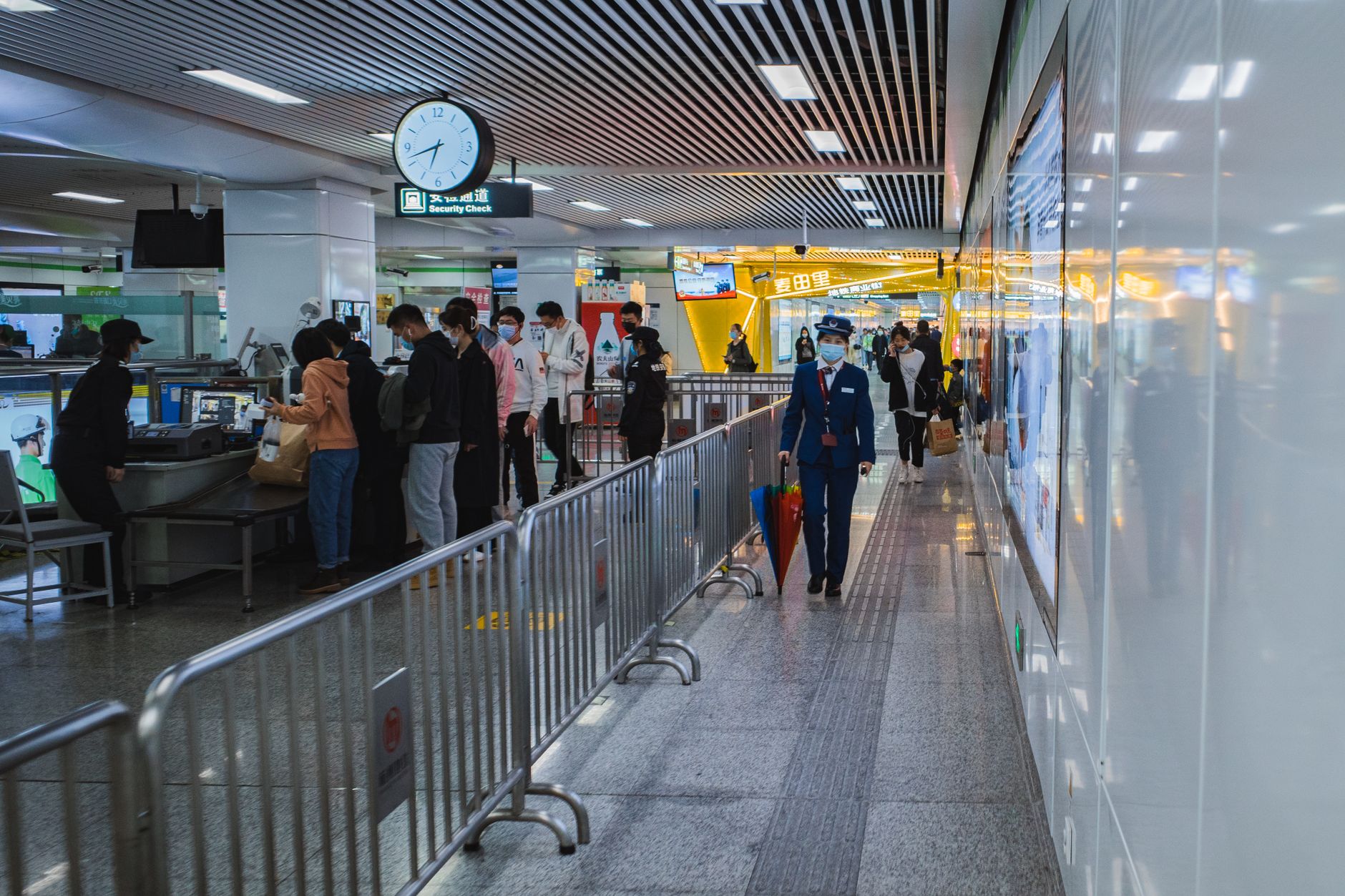
Long security lines form at airports as TSA agents miss first full paychecks amid DHS standoff
Key Takeaways
- TSA (Transportation Security Administration) agents missed their first full paycheck amid an ongoing DHS (Department of Homeland Security) funding lapse; they are essential employees required to keep working without pay.
- Long wait times were reported at major hubs including Atlanta, Fort Lauderdale, Philadelphia, Austin and Chicago; videos shared online reportedly showed winding queues and early-morning travelers missing flights.
- Staffing strain appears to be growing: the agency says more than 300 TSA employees have quit since February, and airlines and travelers are urging Congress to restore DHS funding.
- The political impasse centers on congressional disagreement over immigration enforcement reforms at ICE (Immigration and Customs Enforcement) and CBP (Customs and Border Protection).
- Travelers — including visa applicants and people with time-sensitive immigration appointments — should plan for extra time and potential disruptions.
Long lines and unpaid work
At Hartsfield‑Jackson Atlanta International Airport and other major hubs, passengers faced unusually long security queues as TSA agents continued on the job without full pay. TSA told NBC News that workers received partial paychecks earlier in the shutdown and missed their first full pay on Friday; the agency also said more than 300 employees have resigned since February. It has been reported that social media posts and videos showed lengthy waits at several airports, with some travelers arriving hours early and still missing flights.
Why staffing is squeezed
Funding for DHS expired on Feb. 13 after lawmakers failed to agree on an appropriation bill. Democratic lawmakers have delayed a Republican funding measure, citing concerns about how ICE and CBP handle immigration enforcement and demanding reforms before approving new DHS funding. During a lapse in appropriations, federal workers deemed "essential" must continue their duties without pay; historically Congress has provided retroactive pay after funding is restored, but that assurance does not prevent immediate financial strain and voluntary departures that reduce staffing levels.
What this means for travelers and immigrants
For travelers this means longer lines, reduced access to expedited options like TSA PreCheck or private programs if staffing or vendor services are interrupted, and a higher risk of missed flights. For immigrants and visa applicants the consequences can be practical and consequential: missed flights may delay consular appointments, in‑country visa travel, family reunifications, or travel to immigration hearings. Those relying on predictable, time‑sensitive travel — such as clients of immigration attorneys, families with pending removal hearings, or applicants scheduled for biometrics or interviews — should build extra time into itineraries, monitor airport updates, and contact their legal representatives and consulates if delays threaten deadlines.
Source: Original Article