
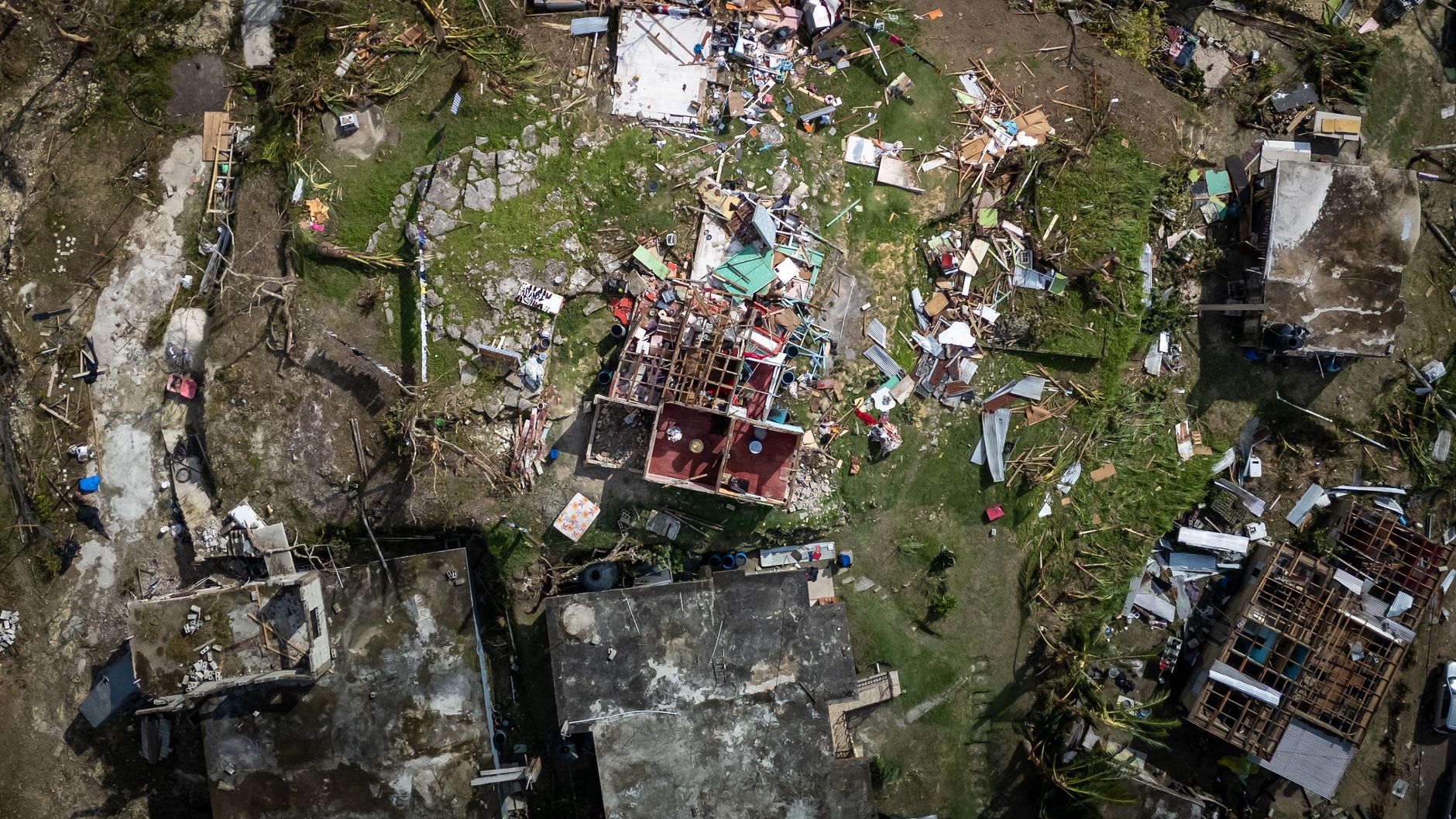
12-year-old boy among 6 dead as tornadoes rip across Michigan and Oklahoma
Key Takeaways
- Severe storms and apparent tornadoes have killed at least six people across Michigan and Oklahoma, including a 12-year-old boy, it has been reported.
- USCIS (U.S. Citizenship and Immigration Services) may adjust operations in affected areas; applicants should check office closures and reschedule missed appointments.
- Disaster survivors can request USCIS fee waivers, document replacements, and case expedites on humanitarian grounds.
- FEMA aid eligibility depends on status; cash assistance is generally limited to U.S. citizens, lawful permanent residents, and certain “qualified” noncitizens.
- Noncash emergency services (shelter, food, medical care) are typically available regardless of immigration status through local and nonprofit providers.
Deadly Storms Disrupt Communities in Michigan and Oklahoma
It has been reported that a series of destructive storms and apparent tornadoes killed at least six people across Michigan and Oklahoma, including a 12-year-old boy. The severe weather uprooted homes, downed power lines, and disrupted transportation in multiple communities, compounding challenges for families who may already be navigating complex immigration processes. Search-and-rescue and utility restoration efforts continued as authorities assessed damage and considered next steps for emergency declarations.
USCIS Operations, Appointments, and Deadlines
For immigrants and visa applicants in the affected regions, the immediate question is how the storms impact government appointments and deadlines. USCIS field offices and Application Support Centers (ASCs) in Michigan (e.g., Detroit, Grand Rapids) and Oklahoma (e.g., Oklahoma City) could modify hours or temporarily close due to safety concerns. Applicants should check the USCIS Office Closings webpage and their online account for real-time updates. If a biometrics appointment, interview, or naturalization ceremony is missed because of the disaster, USCIS allows rescheduling—follow the instructions on your notice or contact the USCIS Contact Center. Individuals facing urgent needs (lost documents, medical hardship, imminent travel, or risk of status lapse) can request an expedite under USCIS’s “Special Situations” guidance. Fee waivers (Form I-912) may be available for those who suffered financial hardship or need to replace lost documents such as green cards (Form I-90) or work permits (Form I-765).
Disaster Aid and Immigration Status
If a federal disaster is declared, survivors may apply for FEMA (Federal Emergency Management Agency) Individual Assistance. Eligibility for cash assistance is limited to U.S. citizens, lawful permanent residents, and certain “qualified noncitizens” (such as refugees and asylees). Mixed-status households can apply if an eligible member (for example, a U.S. citizen child) serves as the applicant. Noncash, short-term emergency services—sheltering, medical care, food, and water—are typically available to everyone regardless of status through local governments and nonprofits. Some benefits like Disaster Unemployment Assistance (DUA) may be restricted to those with work authorization and qualified status under federal rules. Historically, DHS (Department of Homeland Security) has emphasized that immigration enforcement does not occur at disaster assistance sites; individuals should monitor official DHS and local announcements for any specific guidance during this event.
What Applicants Should Do Now
- Prioritize safety and keep receipts and records of displacement or loss; documentation can support fee waivers or expedite requests.
- Check the USCIS Office Closings page before traveling; if you missed an appointment due to the storms, follow your notice to reschedule or call USCIS.
- If identity or status documents were lost or destroyed, file for replacements promptly and consider a fee waiver.
- Consult trusted legal counsel or accredited representatives for help assessing deadlines, maintaining status, and accessing eligible disaster aid.
Source: Original Article