
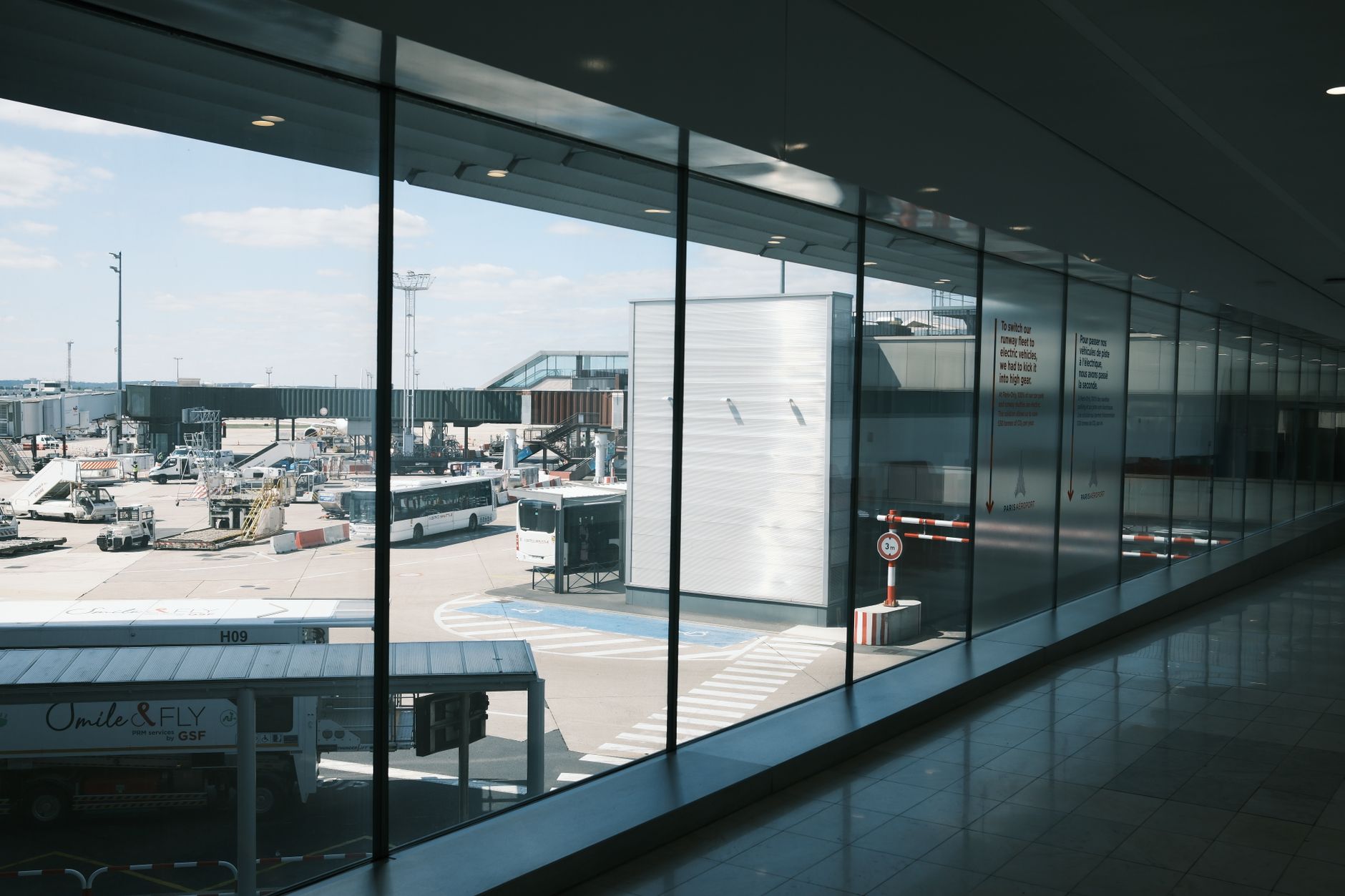
When will TSA lines go back to normal? Travelers may face delays for days or weeks
Key Takeaways
- TSA (Transportation Security Administration) officers began receiving pay after working without wages during the partial government shutdown, but immediate relief at checkpoints is unlikely.
- DHS (Department of Homeland Security) says callout rates peaked at 12.35%, or about 3,560 employees, and more than 500 officers resigned during the shutdown.
- Former TSA Administrator John S. Pistole calls the payroll resumption a “temporary fix”; how quickly lines improve depends on how many officers return.
- Travelers — including immigrants and visa holders with time-sensitive appointments — should expect possible delays for days to weeks and consider alternate travel plans.
Overview
TSA officers began seeing pay restored after President Trump signed an executive order directing federal officials to ensure they are paid despite the partial government shutdown. An executive order is a presidential directive; it does not itself appropriate funds, so the underlying budget standoff remains unresolved. Even with paychecks restarting, airport security wait times may not snap back to normal immediately.
Staffing, timelines and why recovery may be slow
DHS says more than 500 officers quit during the shutdown and that callout rates at one point hit 12.35% of the workforce — roughly 3,560 employees — meaning that many scheduled officers did not report to work. Former TSA Administrator John S. Pistole told reporters the payroll fix is temporary and that the key variable is how many employees return. Some who left have likely taken other jobs, and TSA’s typical annual attrition of about 7% compounds the problem. Pistole estimates that if most staff report back, wait times could ease within several days to a couple of weeks; if not, elevated delays could persist longer.
Impact on travelers and what to do now
Long lines have already caused missed and canceled flights and created uncertainty for people with time-sensitive travel needs — including immigrants and visa holders traveling for consular interviews, court dates, family reunifications or work obligations. Travelers should build extra time into itineraries, check airports’ realtime wait-time feeds, and consider alternatives such as driving, rail or bus for short routes. For those with critical appointments, contacting the agency or office involved (consulate, court, employer) to explain potential travel delays is prudent.
Source: Original Article