
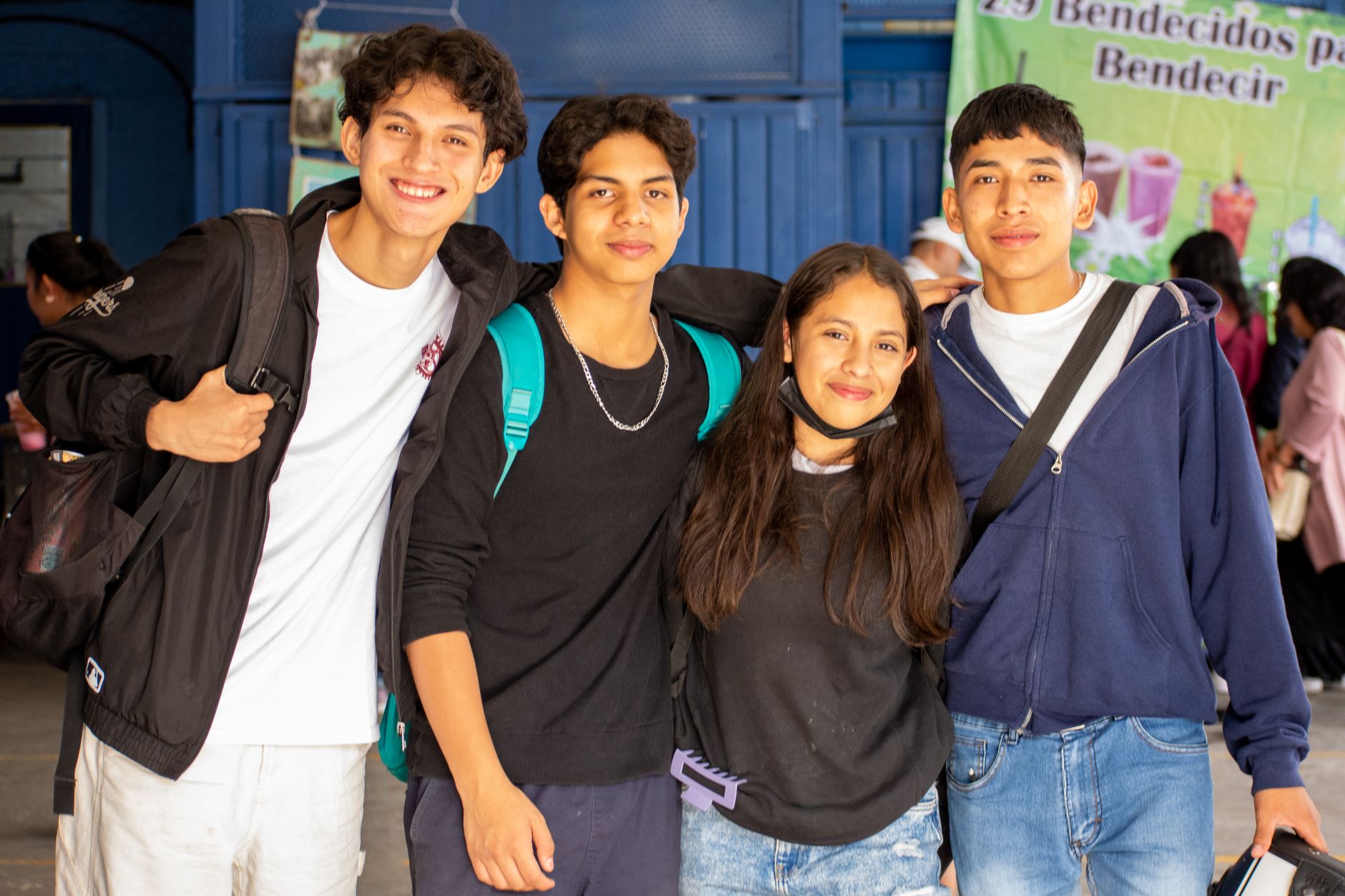
Cities respond to spike in teen “takeovers”; experts see echoes of the pandemic
Key Takeaways
- Large, often fast-moving gatherings of teens — called "takeovers" — have spurred curfews, dispersal orders and increased policing in multiple U.S. cities.
- It has been reported that social media and pandemic-era social isolation helped fuel rapid, large-scale coordination of these events.
- Officials emphasize public safety; some cities pair enforcement with outreach and youth services to reduce repeat incidents.
- Noncitizen youths should be cautious: arrests or adjudications can affect immigration benefits or applications and merit consultation with an immigration attorney.
What happened
Across several U.S. cities this spring and summer, clusters of teenagers have converged in public spaces, parking lots and arterial roadways in what authorities call "takeovers" — informal, sometimes dangerous gatherings that can include car stunts, blocking traffic and clashes with bystanders or police. It has been reported that gatherings quickly swell after posts on social media platforms encourage attendance, creating situations that local officials say threaten public safety and disrupt communities.
Cities' responses and legal options
Municipal responses have varied but commonly include emergency curfews, non-traffic dispersal orders, towing and fines, and targeted enforcement to remove vehicles or break up assemblies. Some localities have also opened investigations into property damage and assaults. Officials say their immediate aim is safety — keeping pedestrians and drivers out of harm's way — while trying to limit escalation. These are mostly municipal and state public-safety tools; criminal charges or juvenile adjudications can follow specific unlawful acts such as reckless driving, obstruction, or vandalism.
Why experts link this to the pandemic
Experts tell reporters that the pattern echoes pandemic-era effects: prolonged social isolation, delayed rites of passage, heightened online coordination, and worsening youth mental health. It has been reported that social apps make it easy to scale a single invitation into a crowd within hours. Mental-health and youth-service advocates urge a two-track response: enforce laws where necessary but invest in programming, counseling and safe outlets for large youth gatherings so the underlying drivers are addressed.
Human impact and immigration-related considerations
For families and young people — including immigrants and noncitizens — the immediate stakes are safety and the potential long-term consequences of arrests or adjudications. Criminal convictions or certain juvenile adjudications can affect immigration relief or benefits, including discretionary programs such as DACA (Deferred Action for Childhood Arrivals) and pending visa or naturalization processes; policies and thresholds vary, so outcomes are case-specific. If a noncitizen youth is arrested or charged, it is prudent to contact a qualified immigration attorney and a juvenile-defense lawyer promptly to understand risks and options.
Source: Original Article