
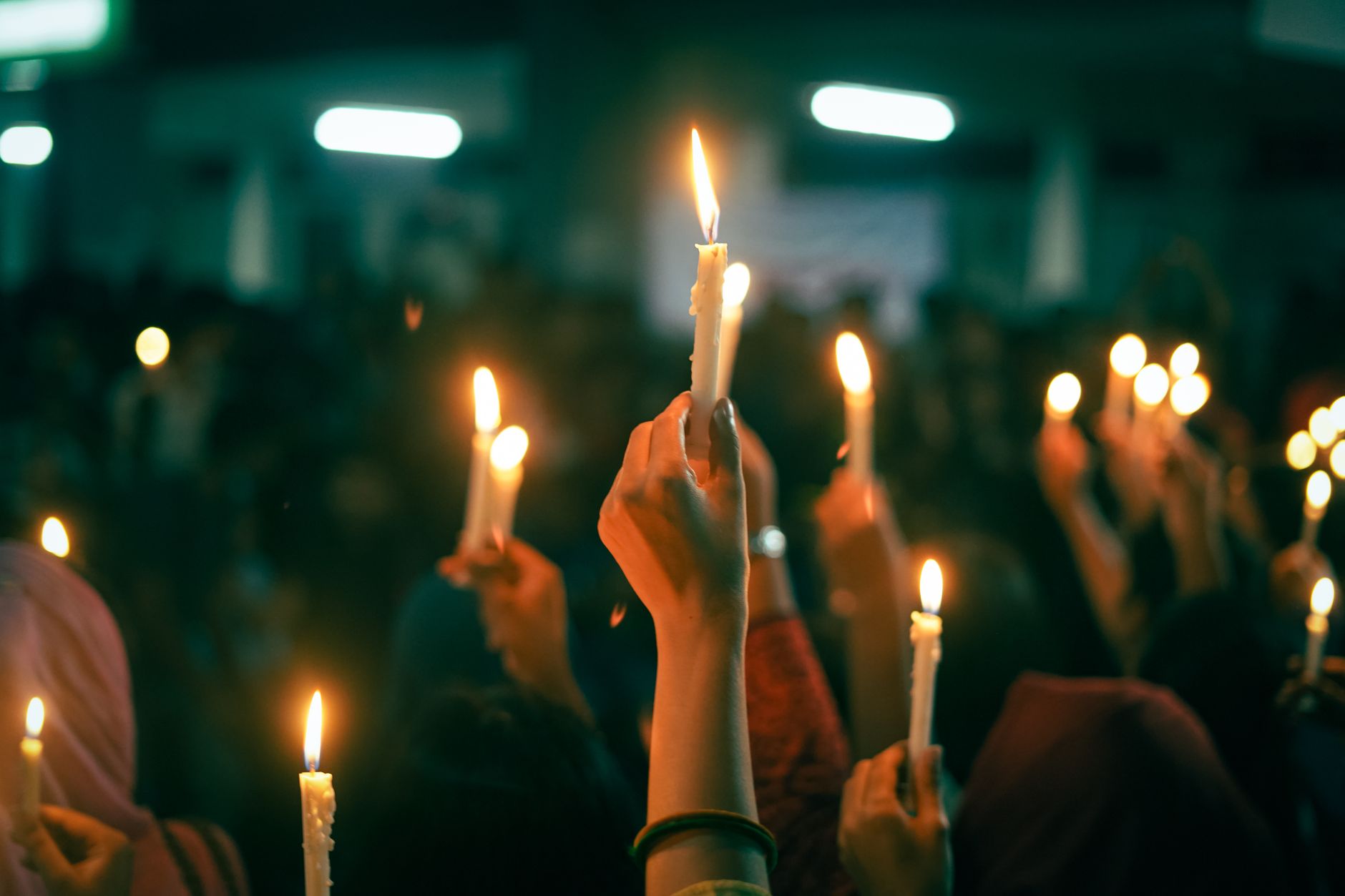
The deepest fears of San Diego’s religious communities were realized in Islamic Center shooting
Key Takeaways
- A shooting at a San Diego Islamic Center has left congregants shaken and amplified long-standing fears of targeted violence against religious and immigrant communities.
- It has been reported that local and federal authorities are investigating; if bias is alleged, the case could be treated as a hate crime under federal law.
- Immigrant victims — including noncitizens — may qualify for immigration relief such as the U visa (for crime victims who assist law enforcement); however, application backlogs and long processing times complicate relief.
- The attack has prompted calls for increased security at houses of worship and renewed concern among refugees, asylum seekers and other immigrants about reporting crimes.
What happened and the human impact
It has been reported that a gunman opened fire at an Islamic Center in San Diego, an act that many local religious leaders described as the realization of their deepest fears about targeted violence. Worshippers and staff are coping with trauma and fear; for immigrant congregants the threat is compounded by worries about language barriers, legal status, and distrust of authorities. The shooting has reverberated beyond the mosque — synagogues, churches and temples in the region have reported heightened anxiety and stepped-up security measures, while interfaith leaders have mobilized community support.
Legal and immigration implications
If investigators determine the shooting was motivated by bias against religion or national origin, federal prosecutors could pursue hate crime charges — statutes that carry enhanced penalties for crimes motivated by protected characteristics. For immigrant victims and witnesses, there are specific immigration pathways and protections to know. The U visa (for victims of certain qualifying crimes who have suffered substantial physical or mental abuse and who are helpful to law enforcement) offers a temporary nonimmigrant status and a potential path to a green card; USCIS (U.S. Citizenship and Immigration Services) and law enforcement agencies can provide the necessary certifications. However, U visa petitions face long backlogs — many applicants wait years for adjudication — and relief is not automatic.
What this means for people going through the immigration process now
For immigrants affected by this or similar incidents, practical steps matter: seek immediate medical and counseling services; consider reporting the crime to police (victim cooperation is often necessary for U visa eligibility); and consult an immigration attorney or community legal clinic about remedies and protections. Even undocumented victims can access certain services and may be eligible for U visa relief, but they should get legal advice before speaking with immigration authorities beyond law enforcement interviews. The shooting is likely to heighten fear and deter reporting among vulnerable populations, which in turn can make it harder for investigations and community healing — underscoring the need for trusted outreach and clear information about legal options.
Source: Original Article